
2025 Retrospective - 146kg of coffee shared, 4 resources established
Unlike 2023 and 2024, I (thankfully) did not keep a running log of coffees I tasted. Instead, I focused on two things:
Cataloging everything out there
Sharing even more coffees than past years
1. Cataloging what’s out there
I find it crazy that there’s no running list of what’s out there. There’s a review for seemingly everything out there, but nowhere centralizes what’s out there - perhaps the influencer algorithm does not reward this approach? There’s too much tribal knowledge is contained in Discord groups, Home-barista threads, and behind-the-door conversations in coffee industry. How is a budding hobbyist to know the boundaries of the seemingly endless horizons of options out there?
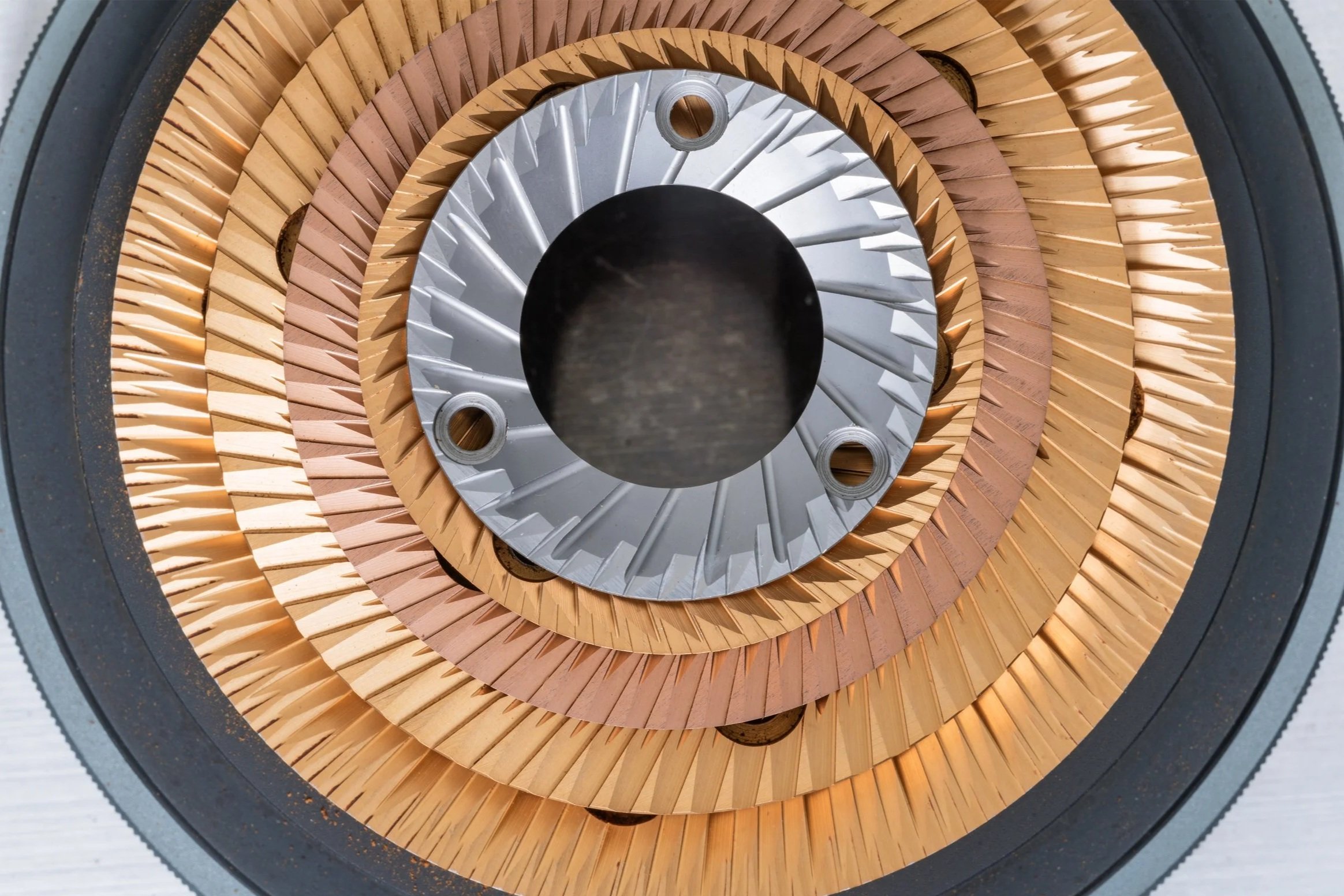
This is by far the most popular of the lists. I’d failed several times at a framework to discuss burrs because it would come down to the opinion of one person, which I don’t believe anyone could/should take full responsibility for. I’d wince at questions starting with “What’s the consensus on…”, where there is none. Discussion threads meant to be guidance for a potential buyer would turn into self-help sessions to rationalize and justify one’s existing ownership, ultimately missing the point between differing goals and preferences.
Standardizing entries is critical to productive discussion, so the questionnaire asks owners to outline how they use the burr, what their goals/preferences are, so readers can assess the applicability of an entry to their usage/preferences, rather than reacting to the loudest voice in the room.
Secondarily, this may be the only spot to try to track the numerous silent revisions and naming conflicts that are rife within the subject space. It doesn’t seem version tracking has gotten any better, but active discussion has helped identify when these changes happen.
This year it crossed 100 submissions - thanks to those who put the effort into sharing your thoughts.
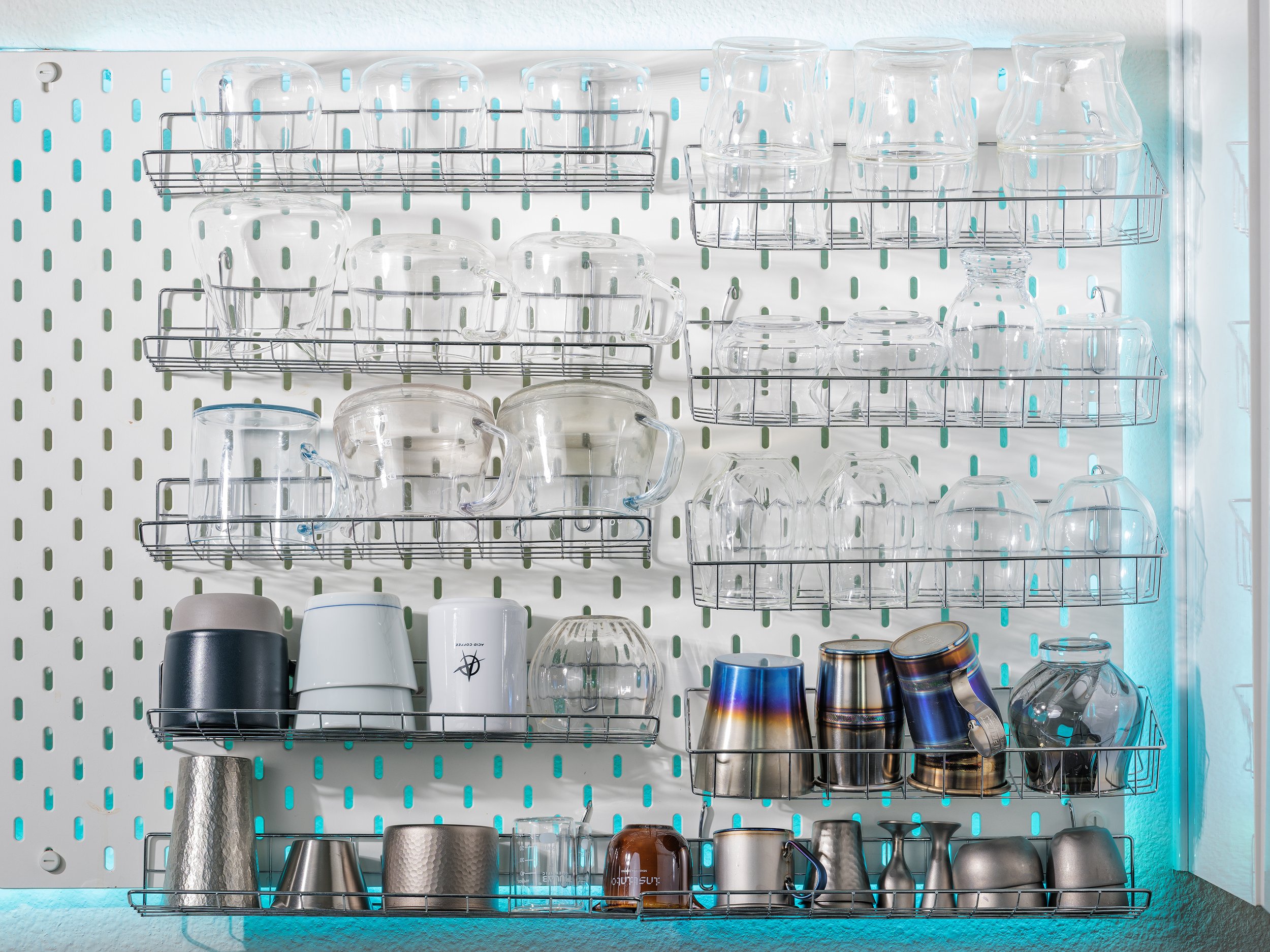
This one is meant to be an identical format Japan Camera Hunter’s In Your Bag series. I sensed a community desire to see cool, rare, funky cup shapes that fellow coffee nerds are drinking out of, and the submissions were meant to be a low-barrier way to showcase the diversity of what’s out there. This blog may not yet have the momentum to have a resource entirely based off of user submissions, more thinking is needed here. There are quite a few backlog items I haven’t posted that will come; perhaps the lack of interest is due to my stagnation.
Again, thanks to those who took the time to share.
If you do want to contribute, the submission form is here.
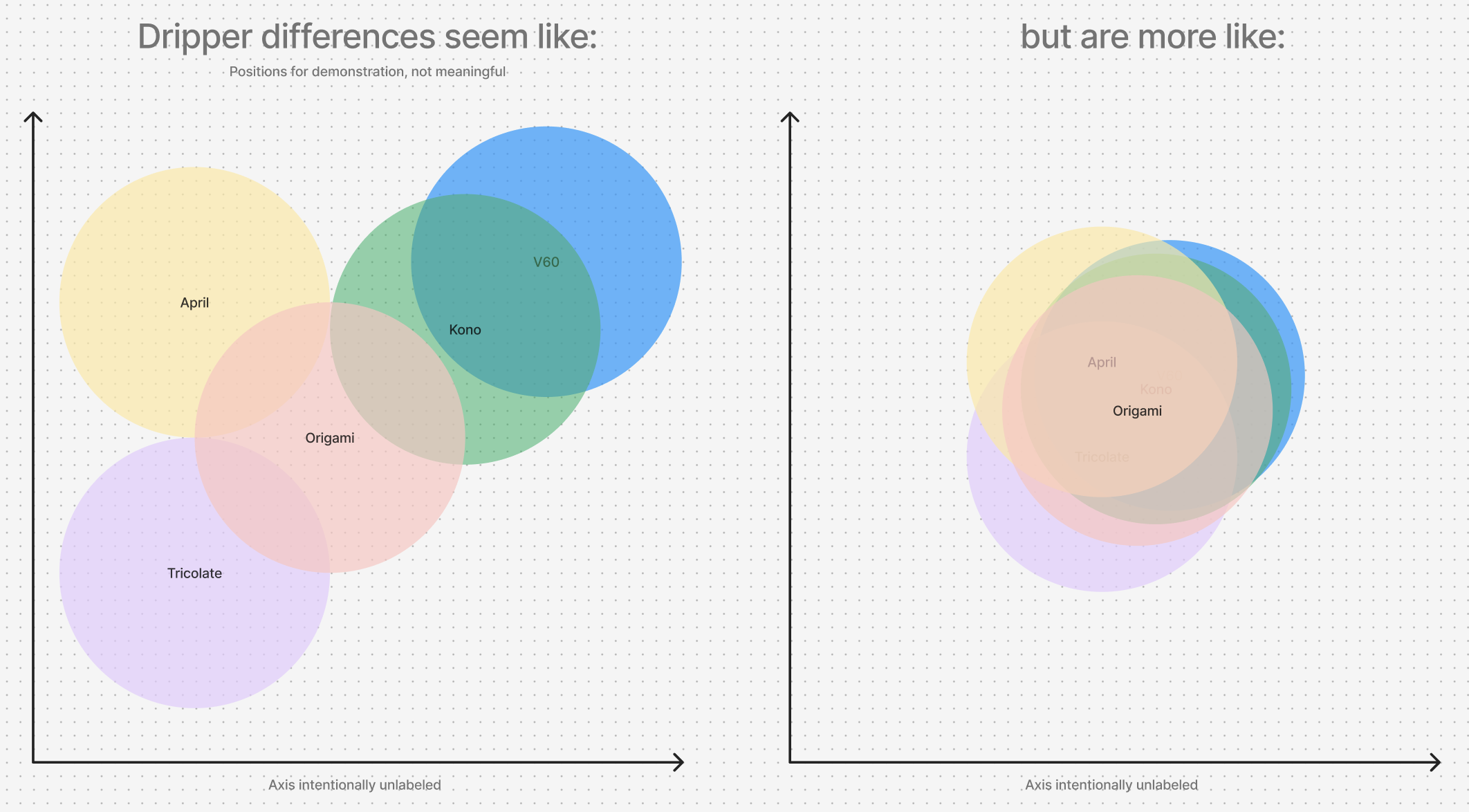
This resource was made with an ulterior motive - to visually saturate viewers with the hundreds of drippers out there. Perhaps you might wonder to yourself, “are these really all that different?” While a web store also has plenty of drippers side by side, you’re mostly being fed marketing claims and weighing them against price tags. When presented with only base specs and no claims of extraction magic, perhaps things seem a lot less different.
I’ve purchased upwards of 30 drippers to intentionally look for differences. I’d loan out drippers to my local community, and I can’t recall a single time where the borrower felt compelled enough to buy one of their own compared to what they already owned. I don’t believe this is the big variable that creates meaningful improvements in the cup, and I don’t believe there’s a single best dripper.
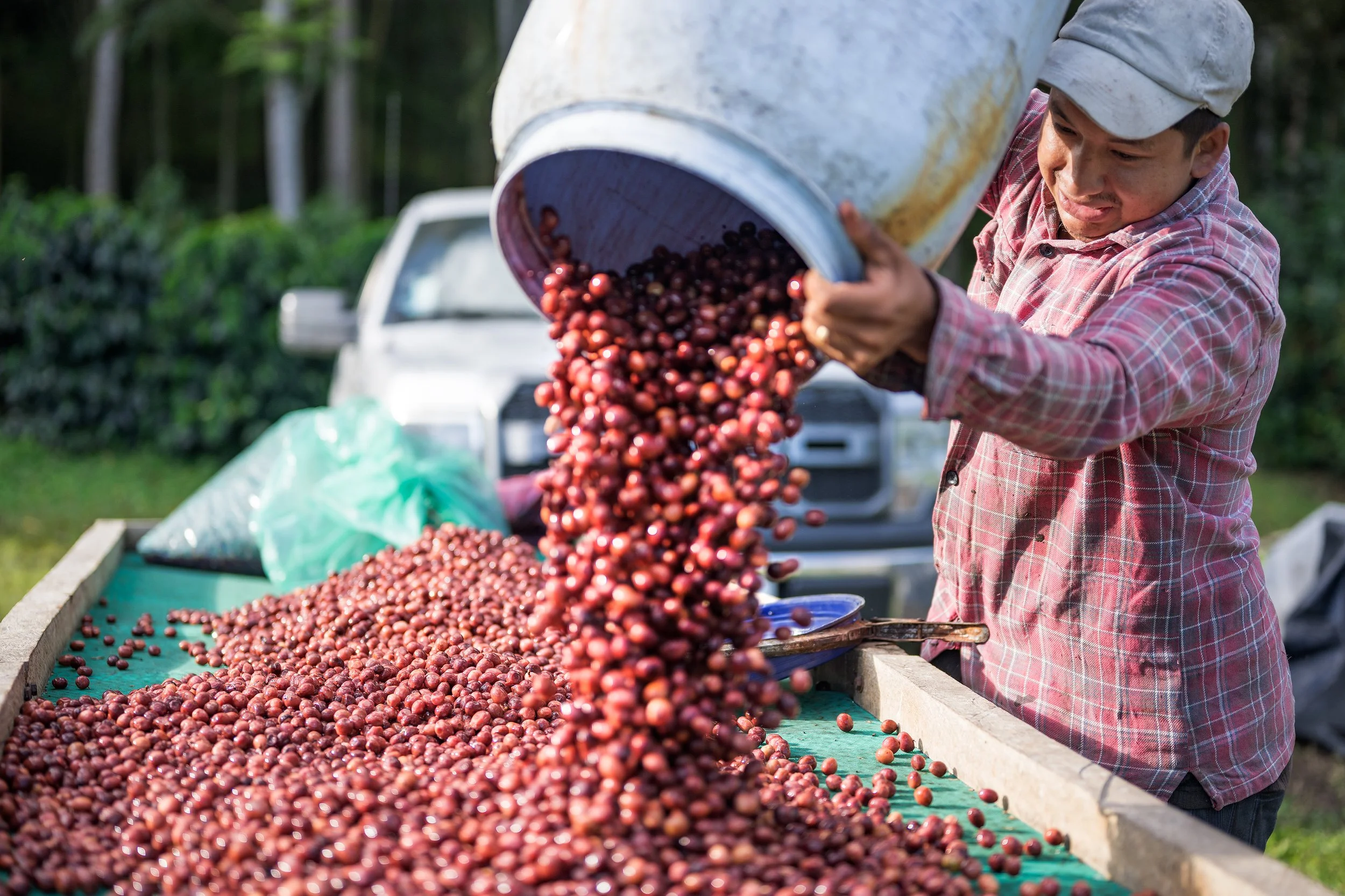
The number of process names on bag labels has exploded in the past few years. Newbies and veterans alike are overwhelmed and mystified by the fantastical terminology used. When flavor expectations don’t match the arcane label, or even worse, “washed” doesn’t taste washed, it creates distrust and annoyance with the system, so this one has slight input from me on how funky a process may lean.
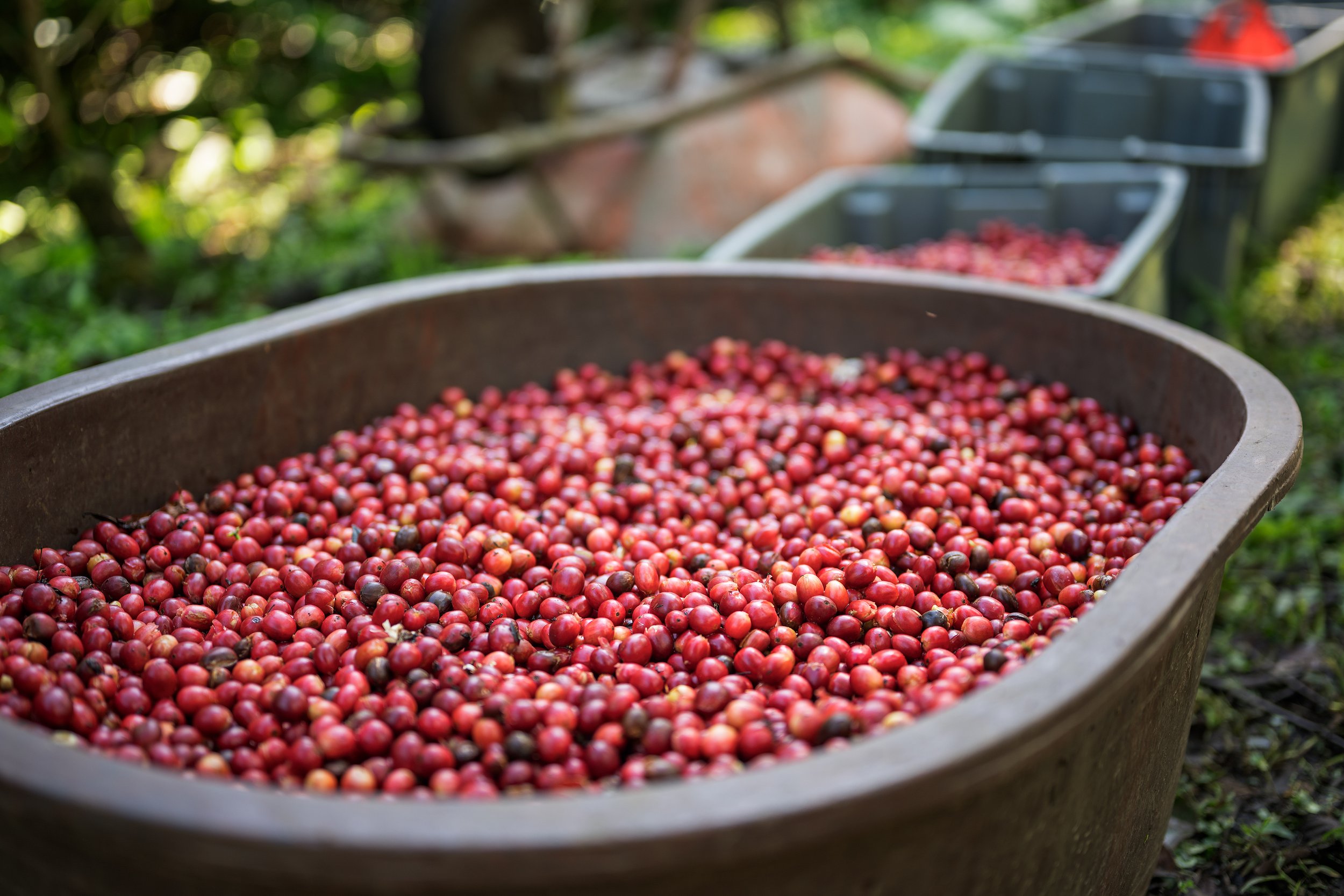
There’s the World Coffee Research site that’s great for understanding the phylogeny of varietal/cultivar lineages, but not very useful to enthusiasts trying to learn the scenarios they may encounter certain ones. In the specialty coffee scene, there are hyped, prized, and situationally encountered varietals that can sometimes be looked up individually for context, but this is another collection I felt was missing from the community.
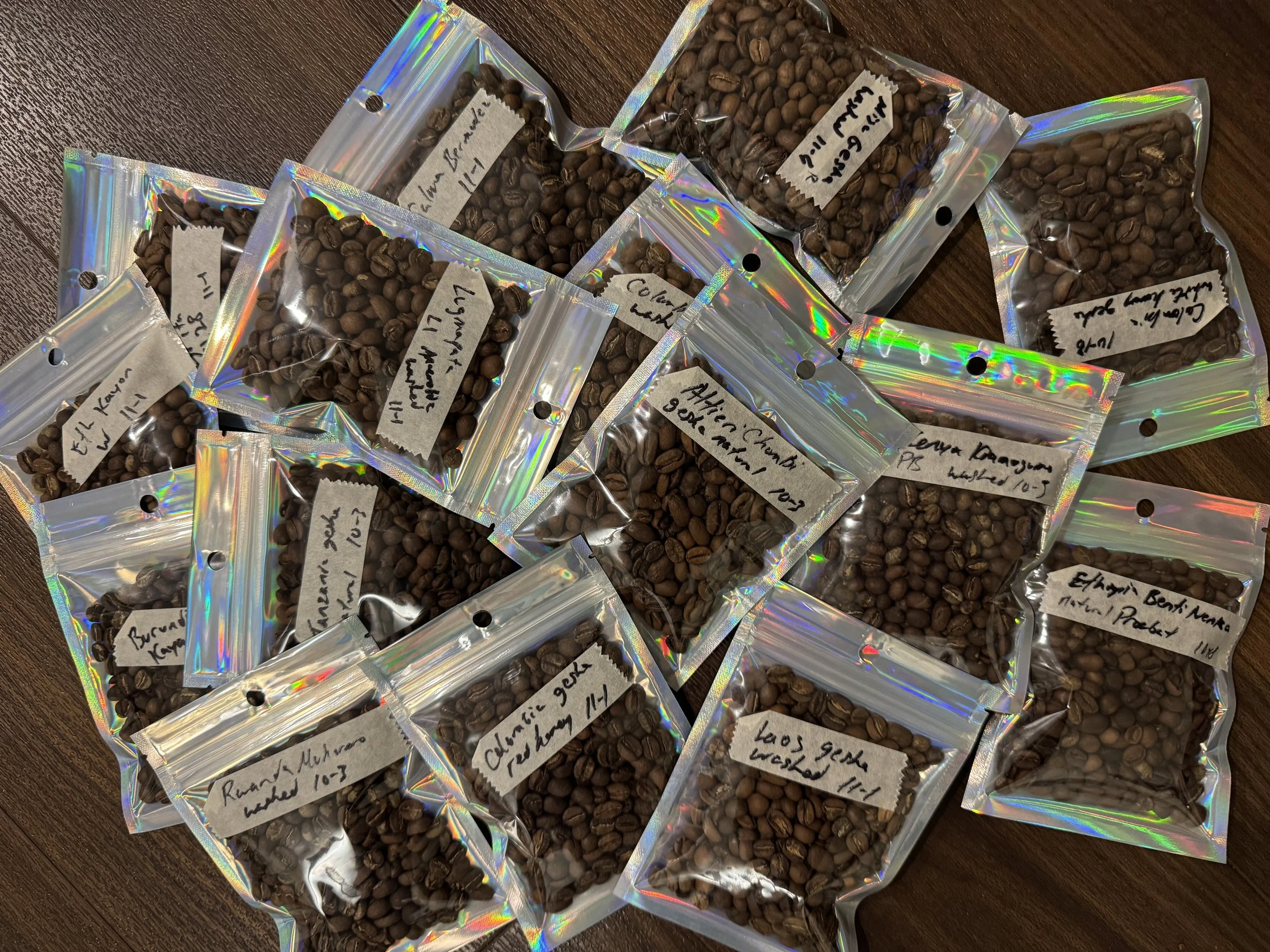


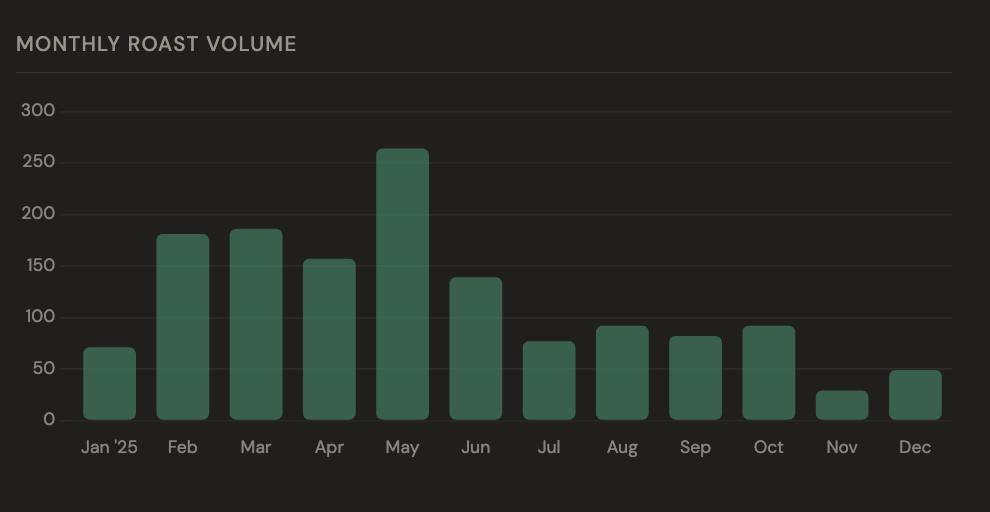
Breakdown of roasts per month
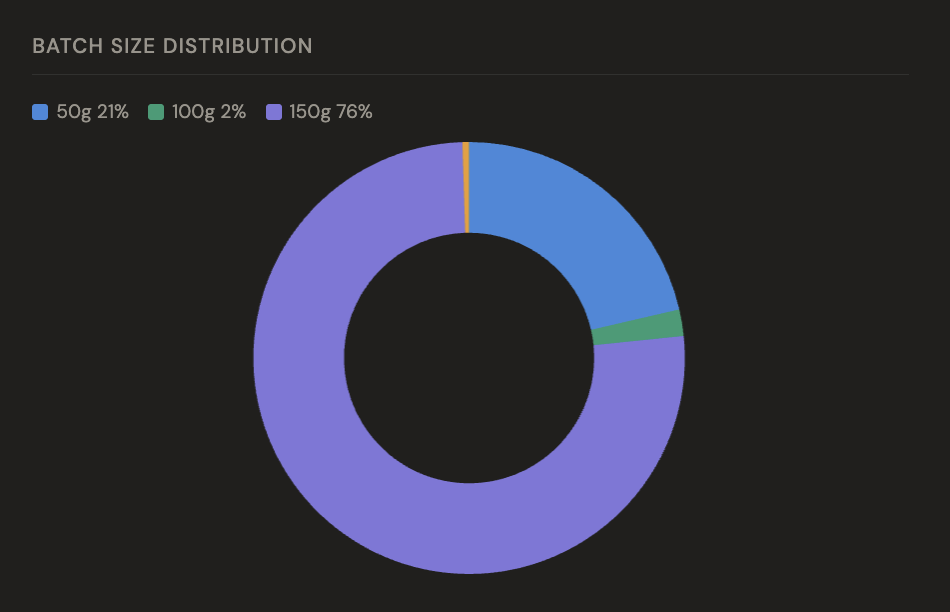
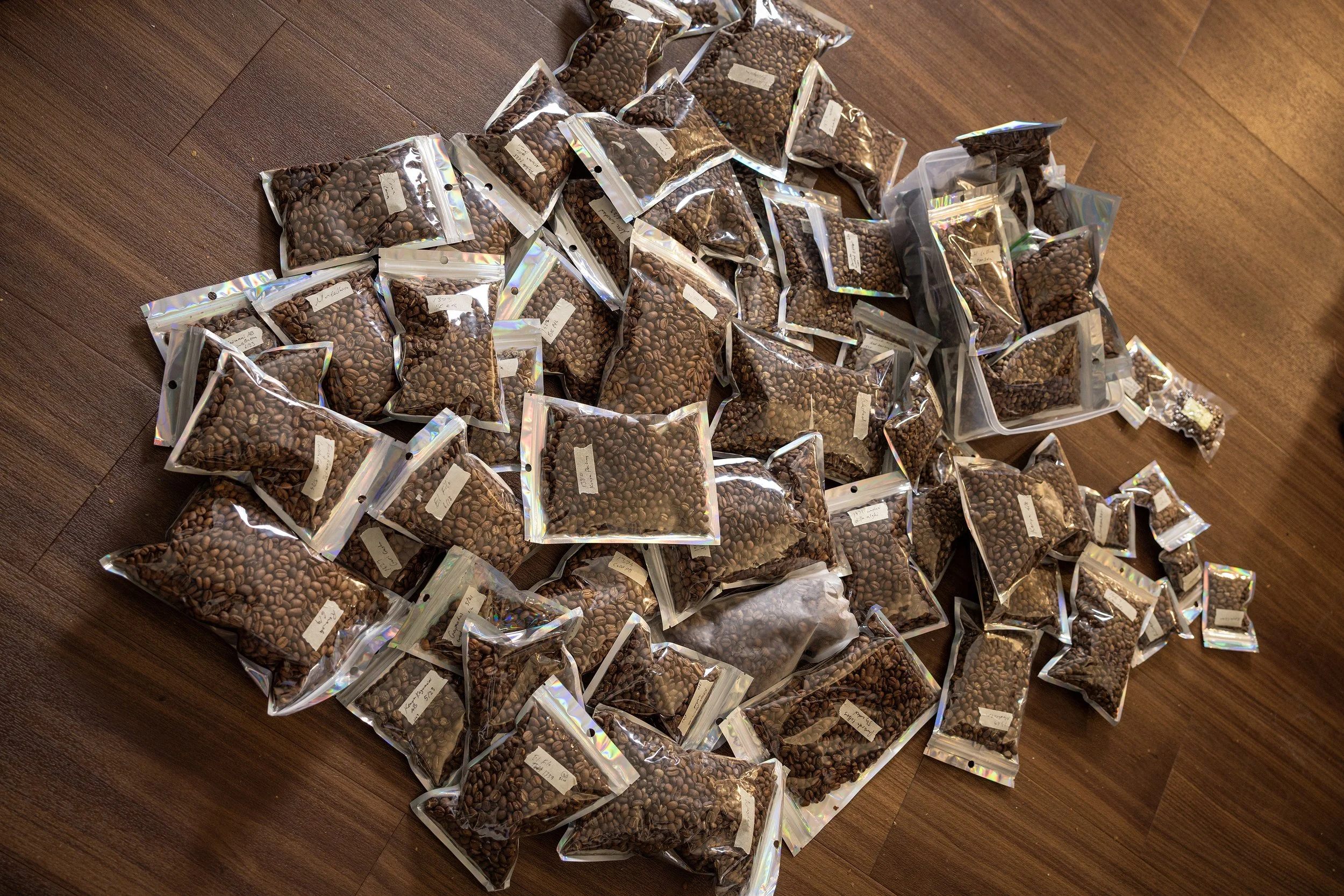
Breakdown of batch sizes
2. Sharing coffees, building community
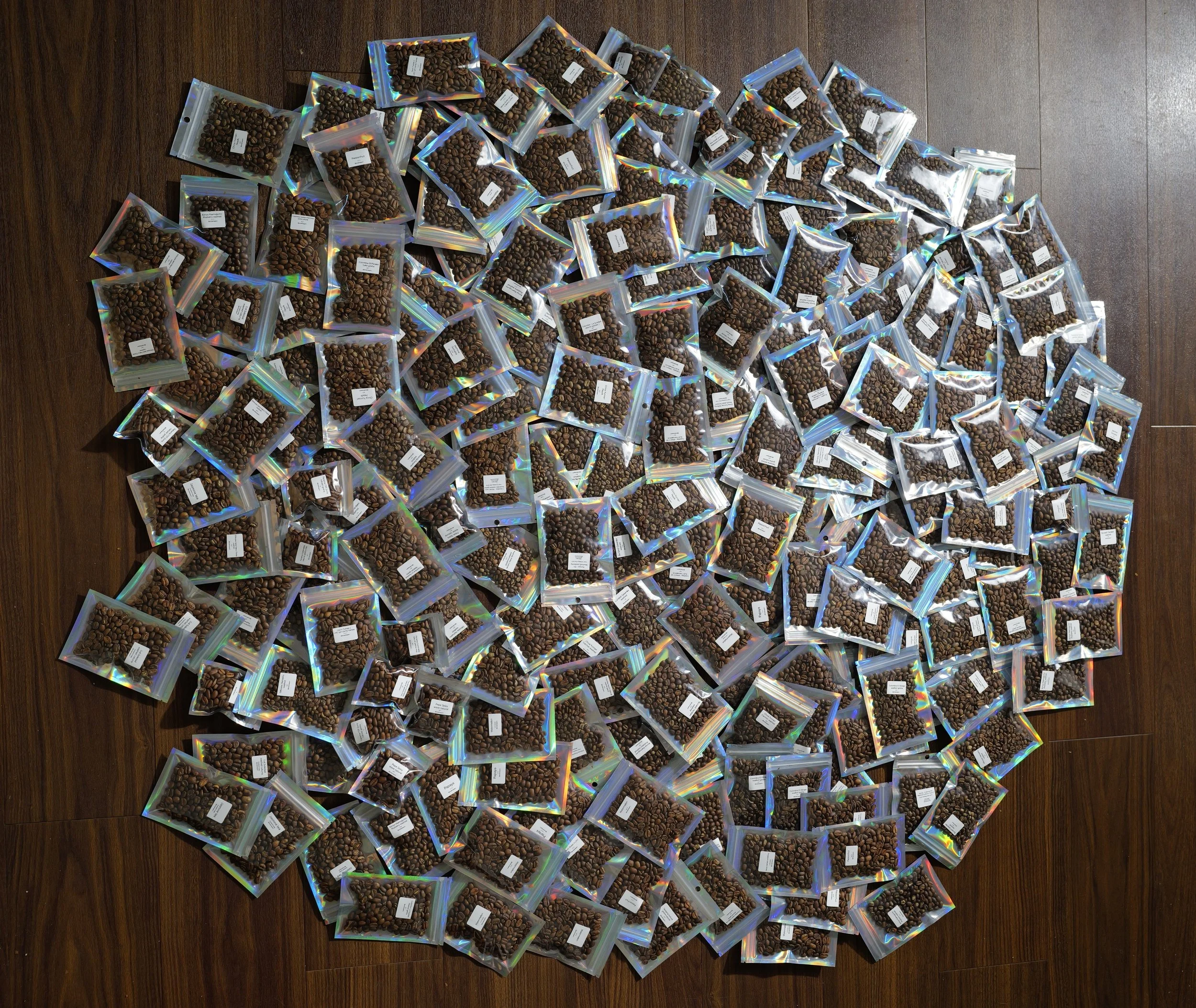
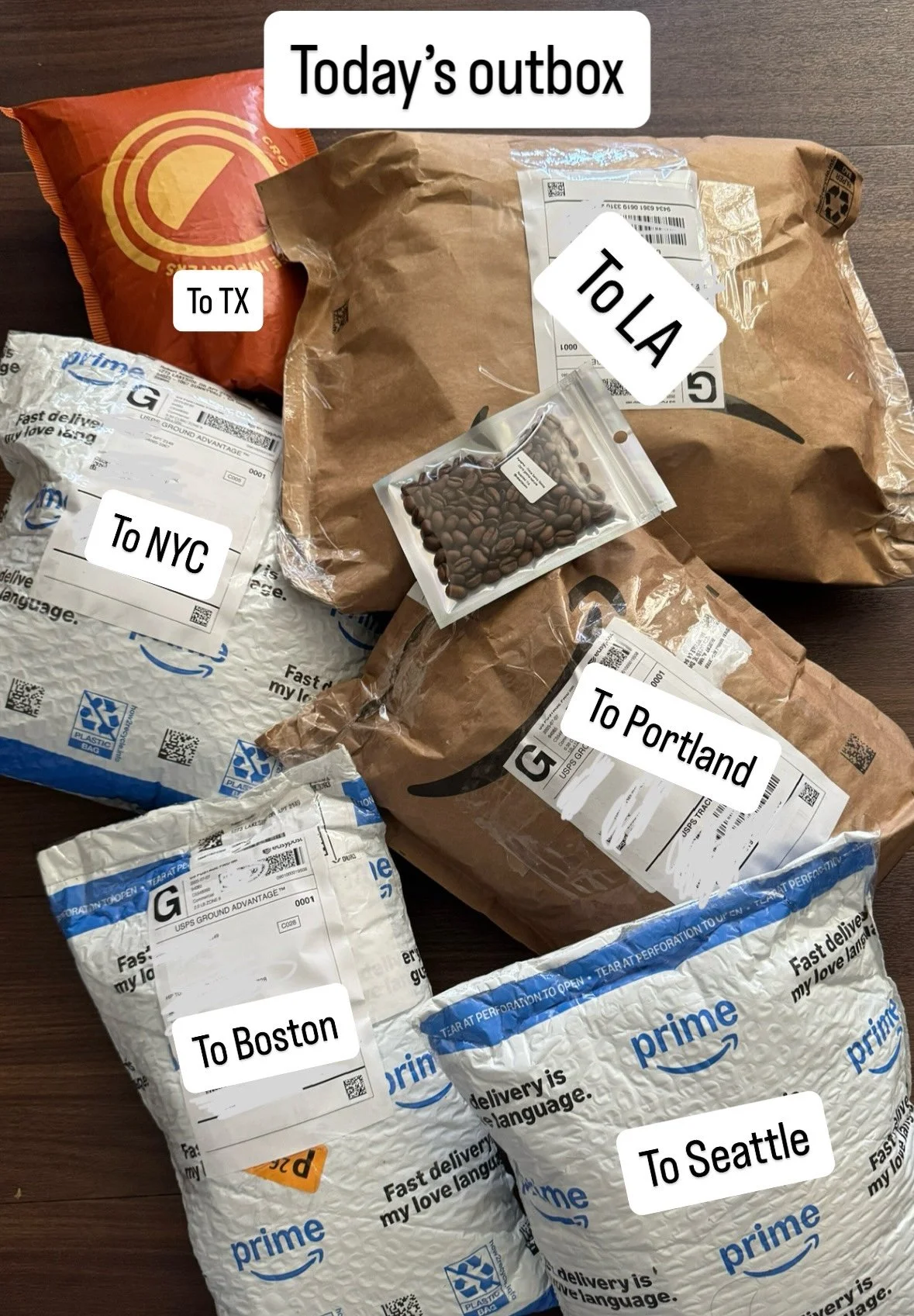
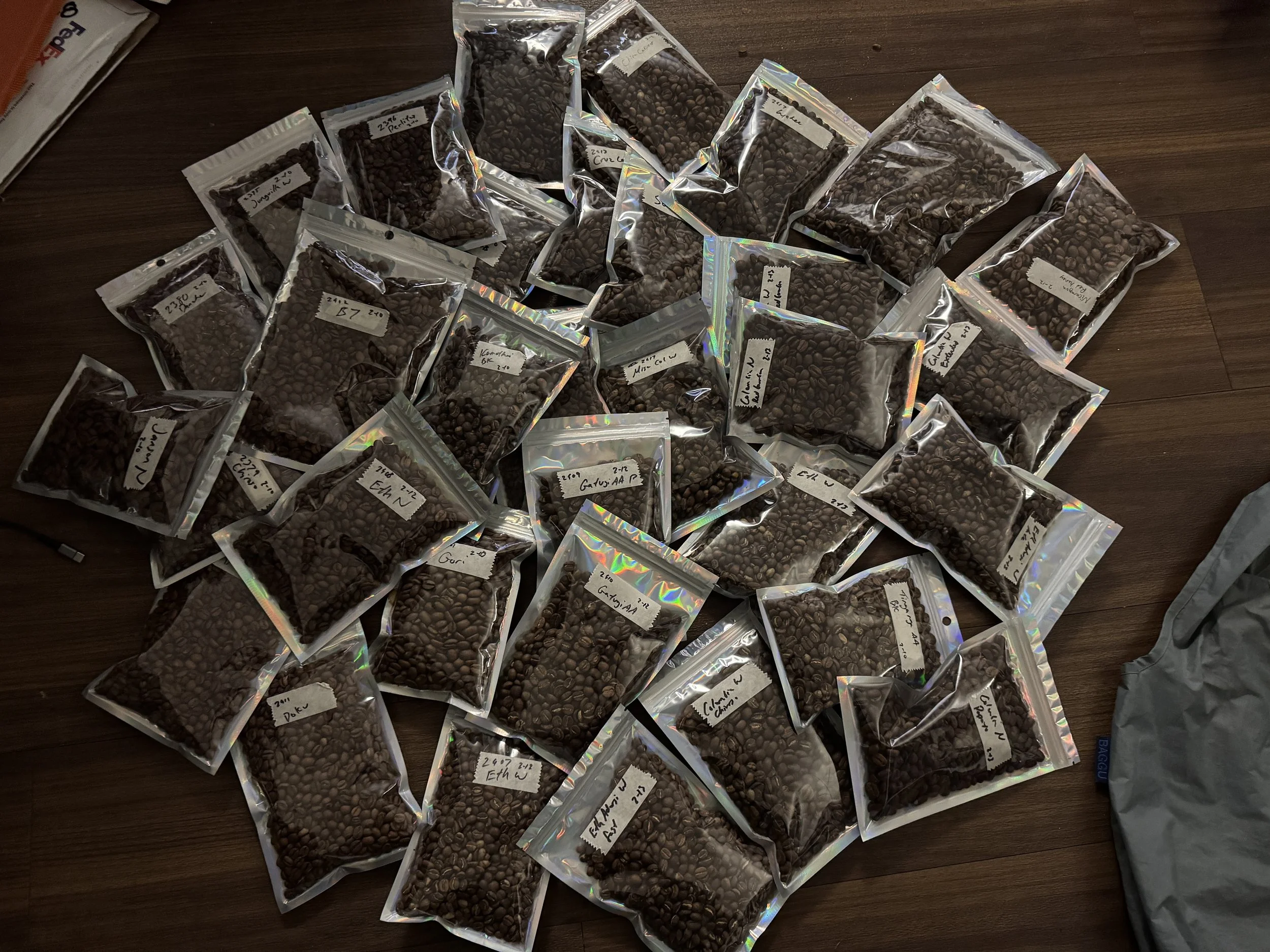
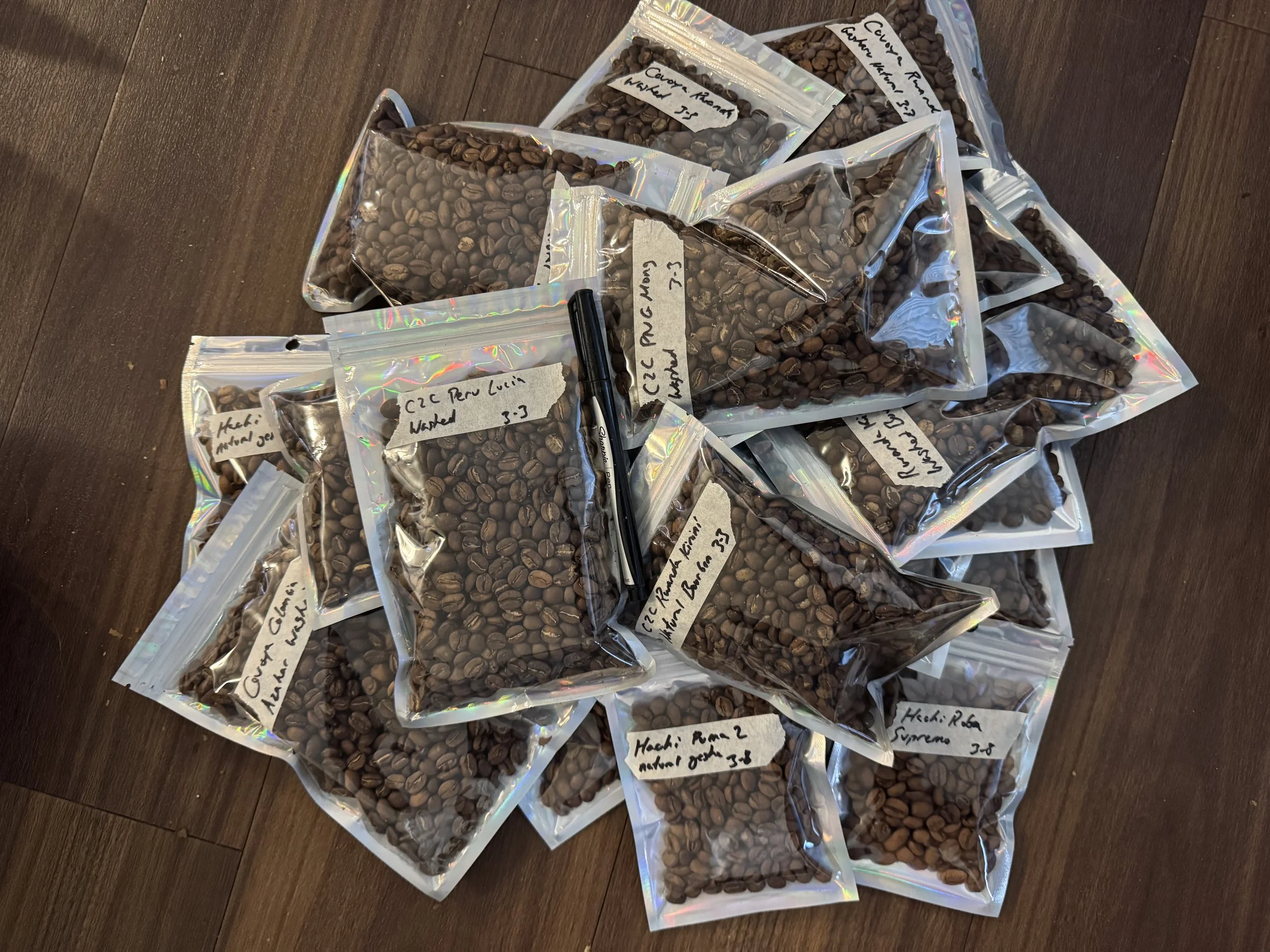
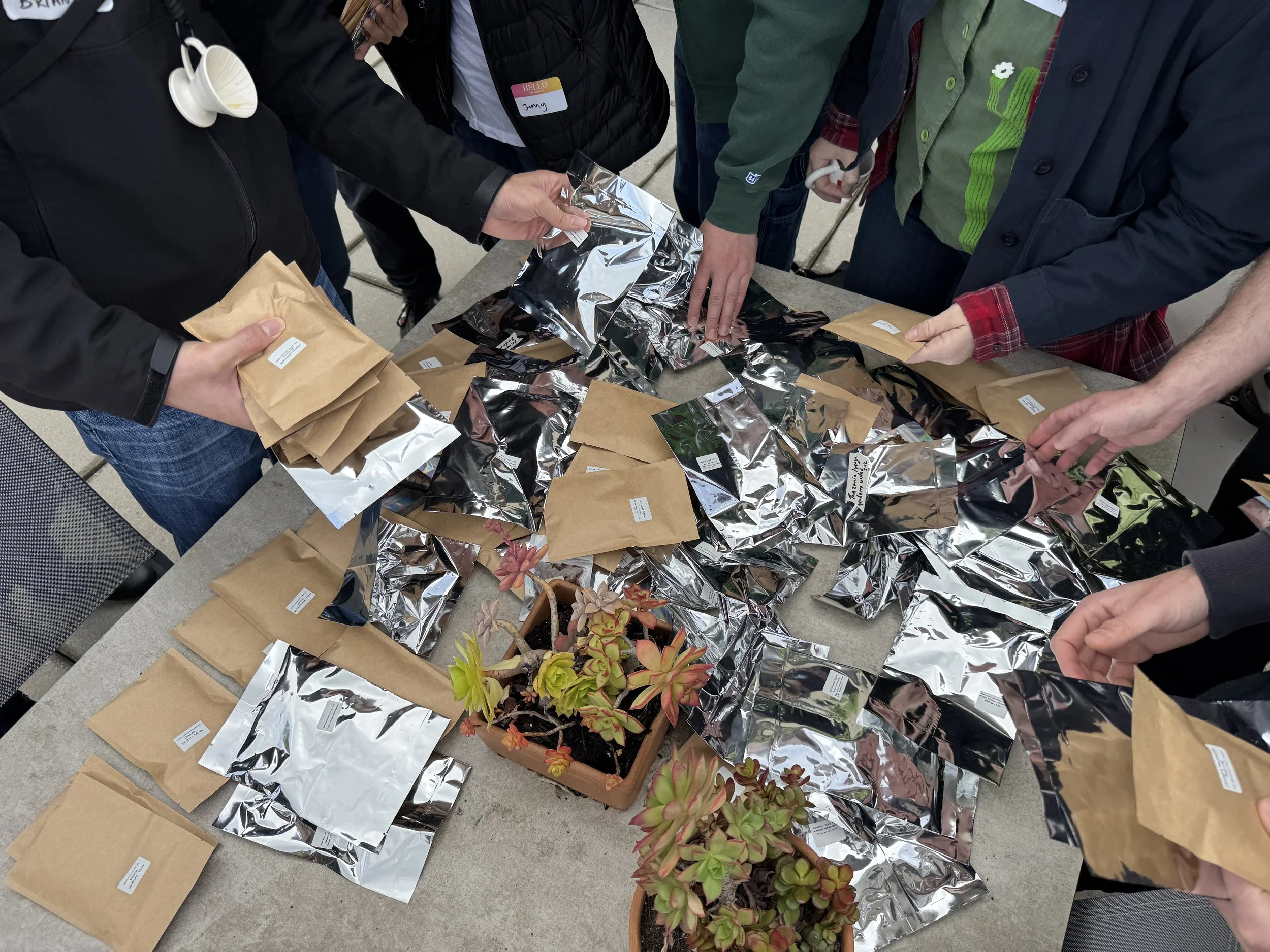
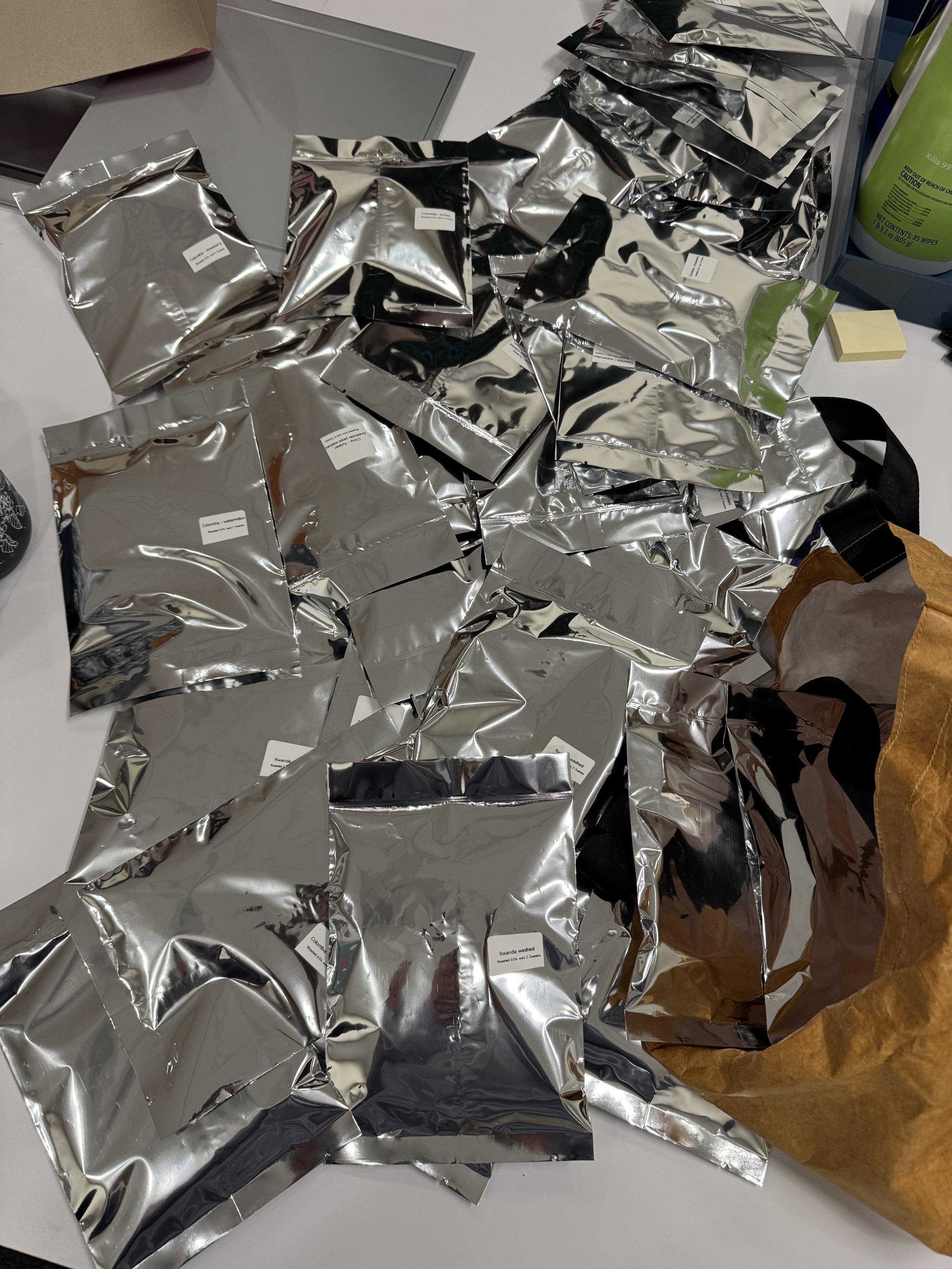
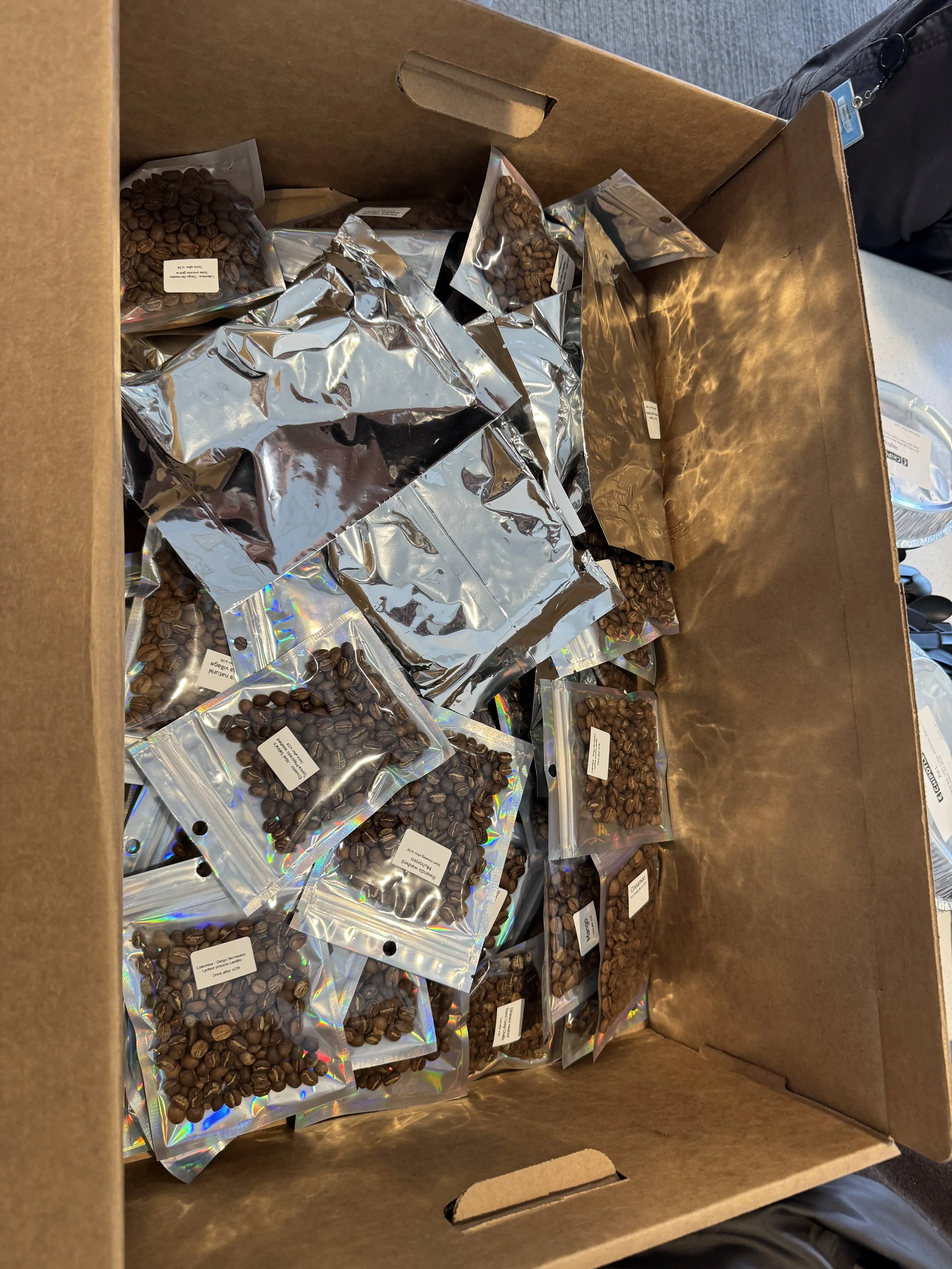
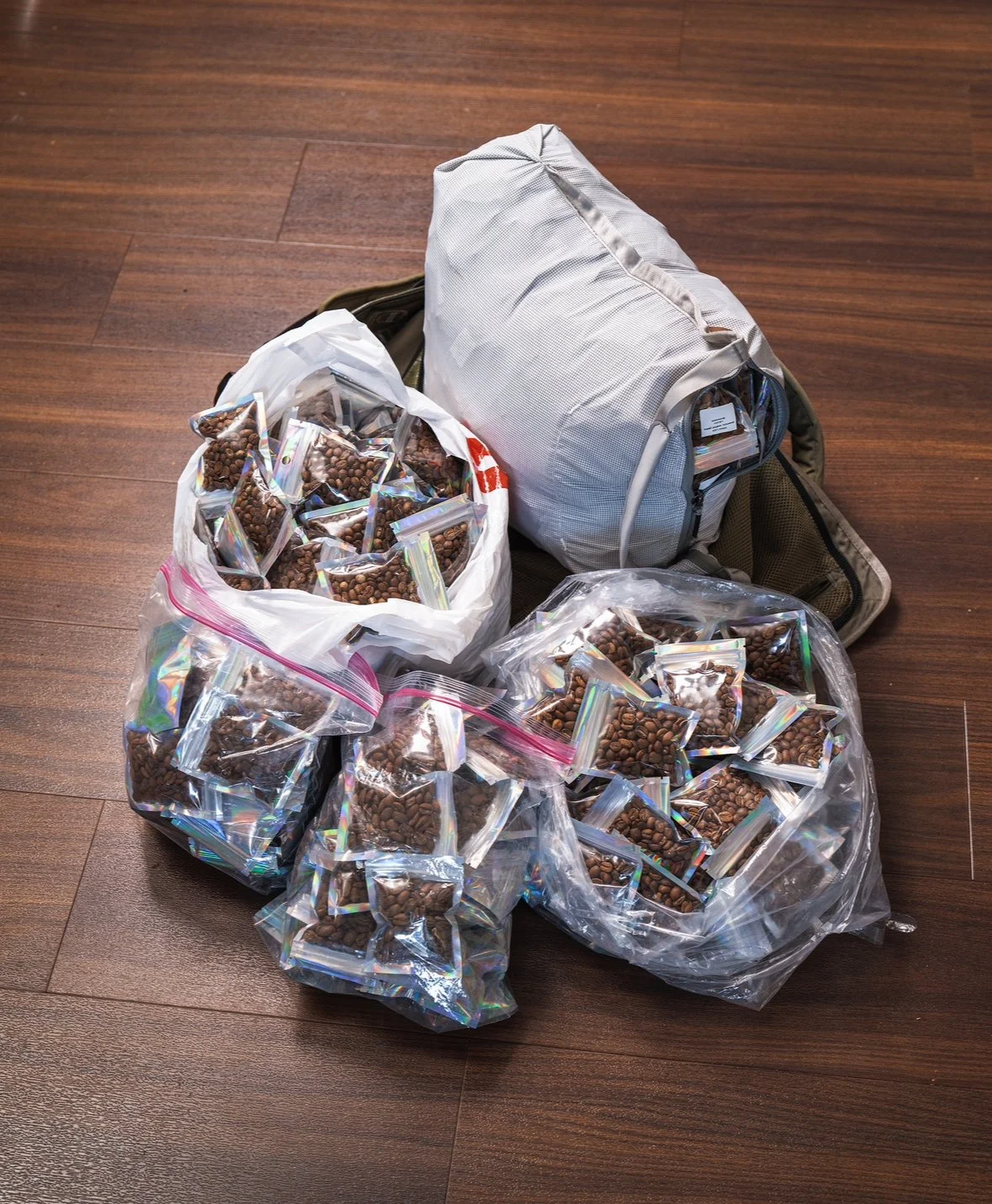
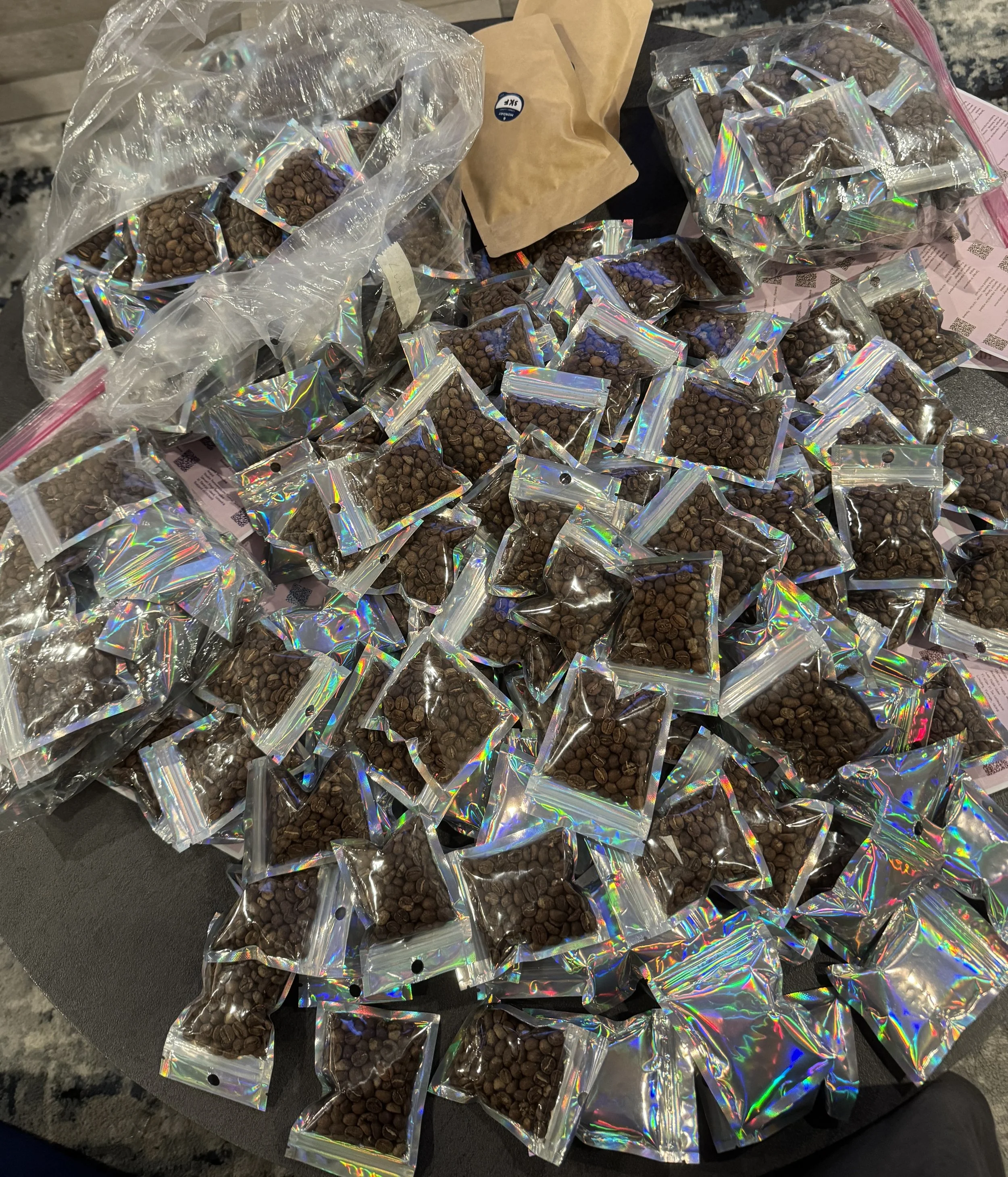
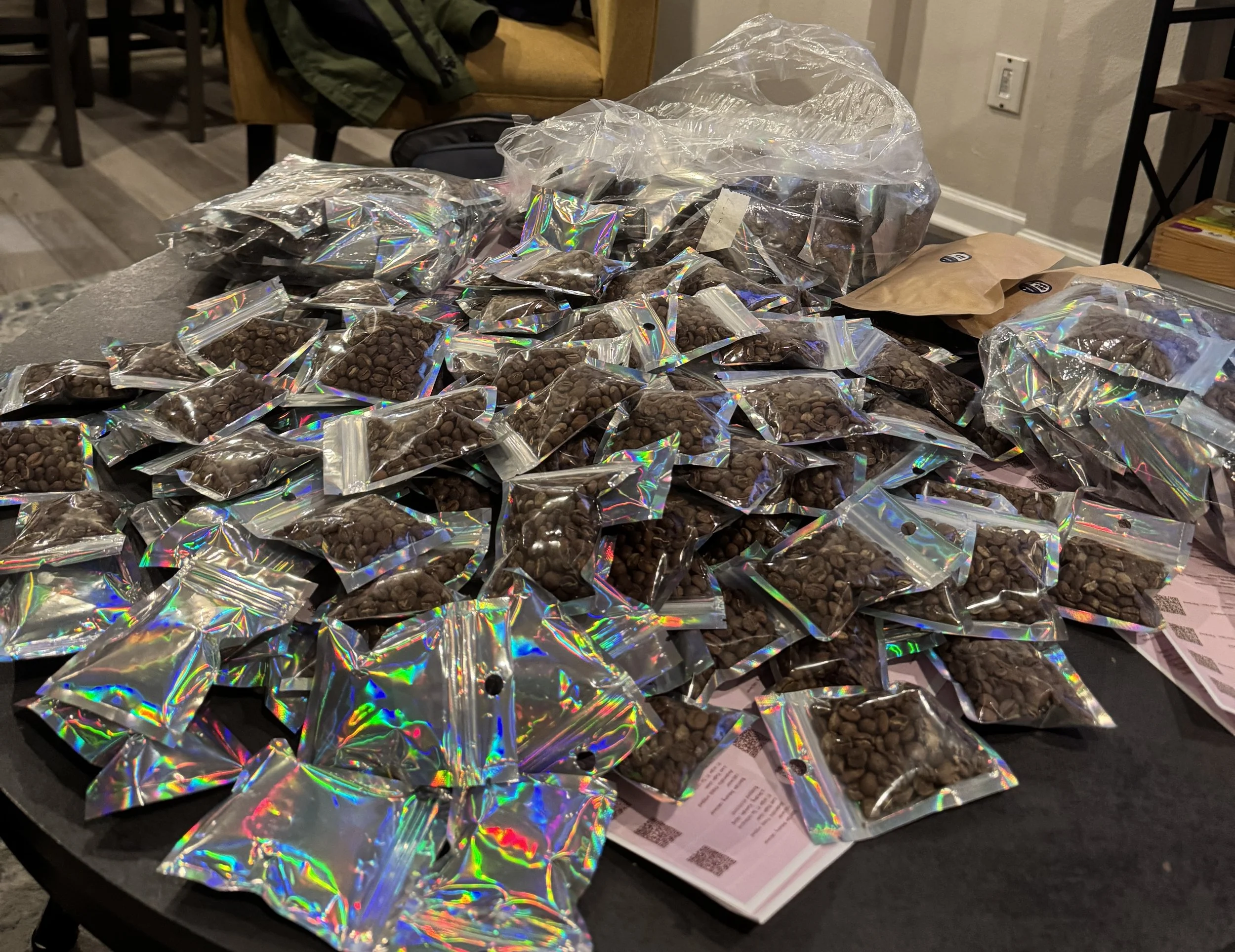
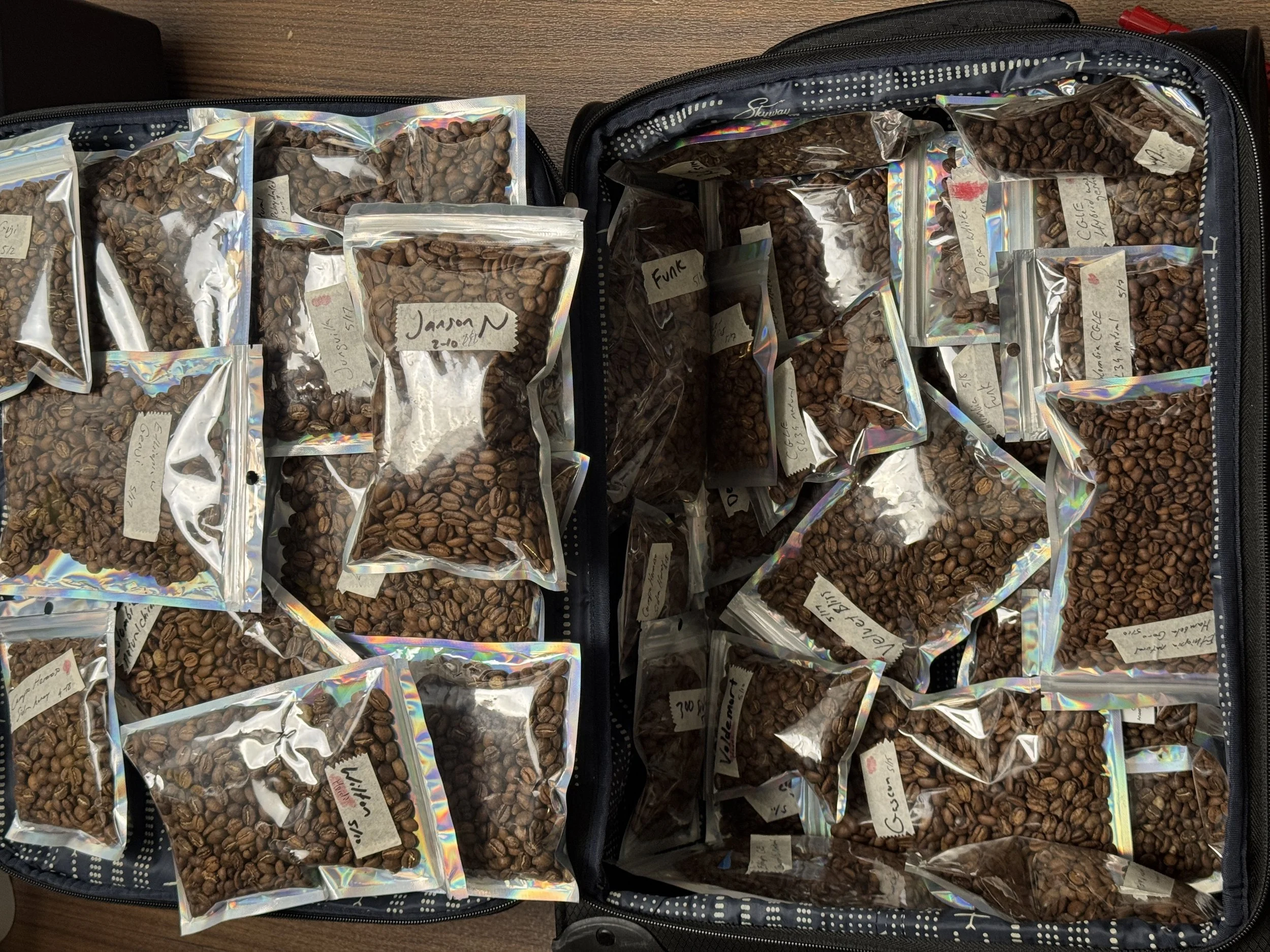
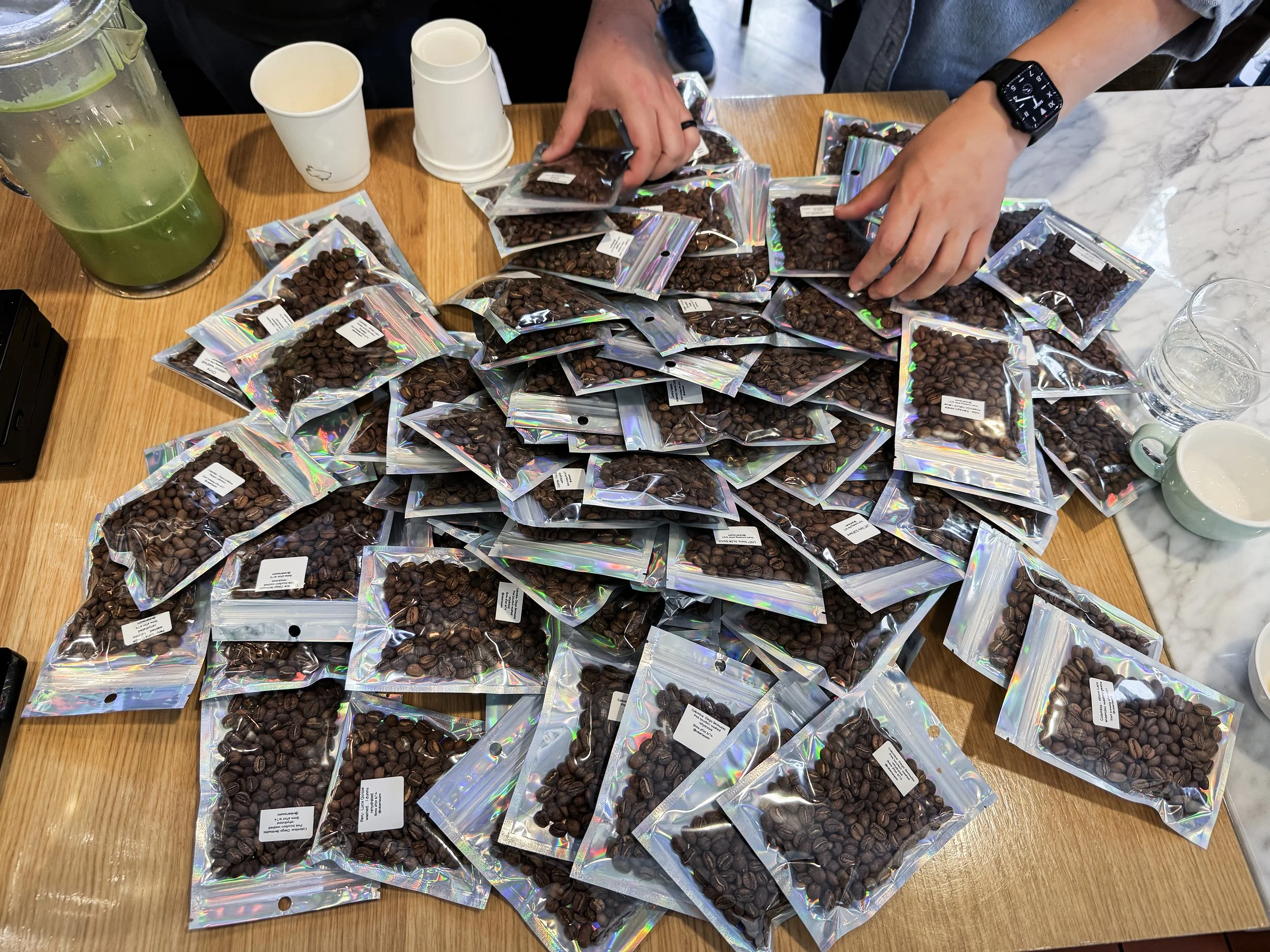
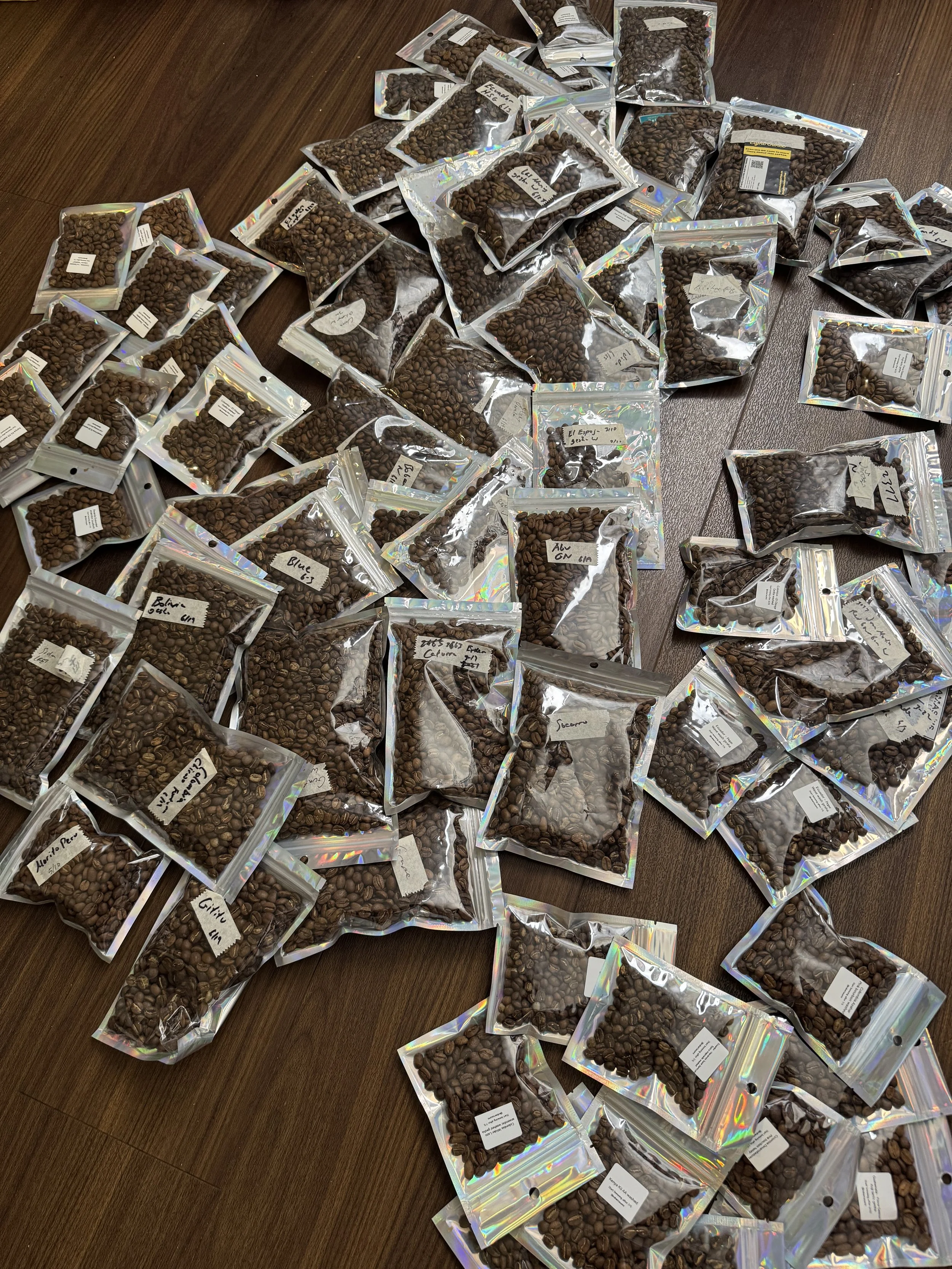
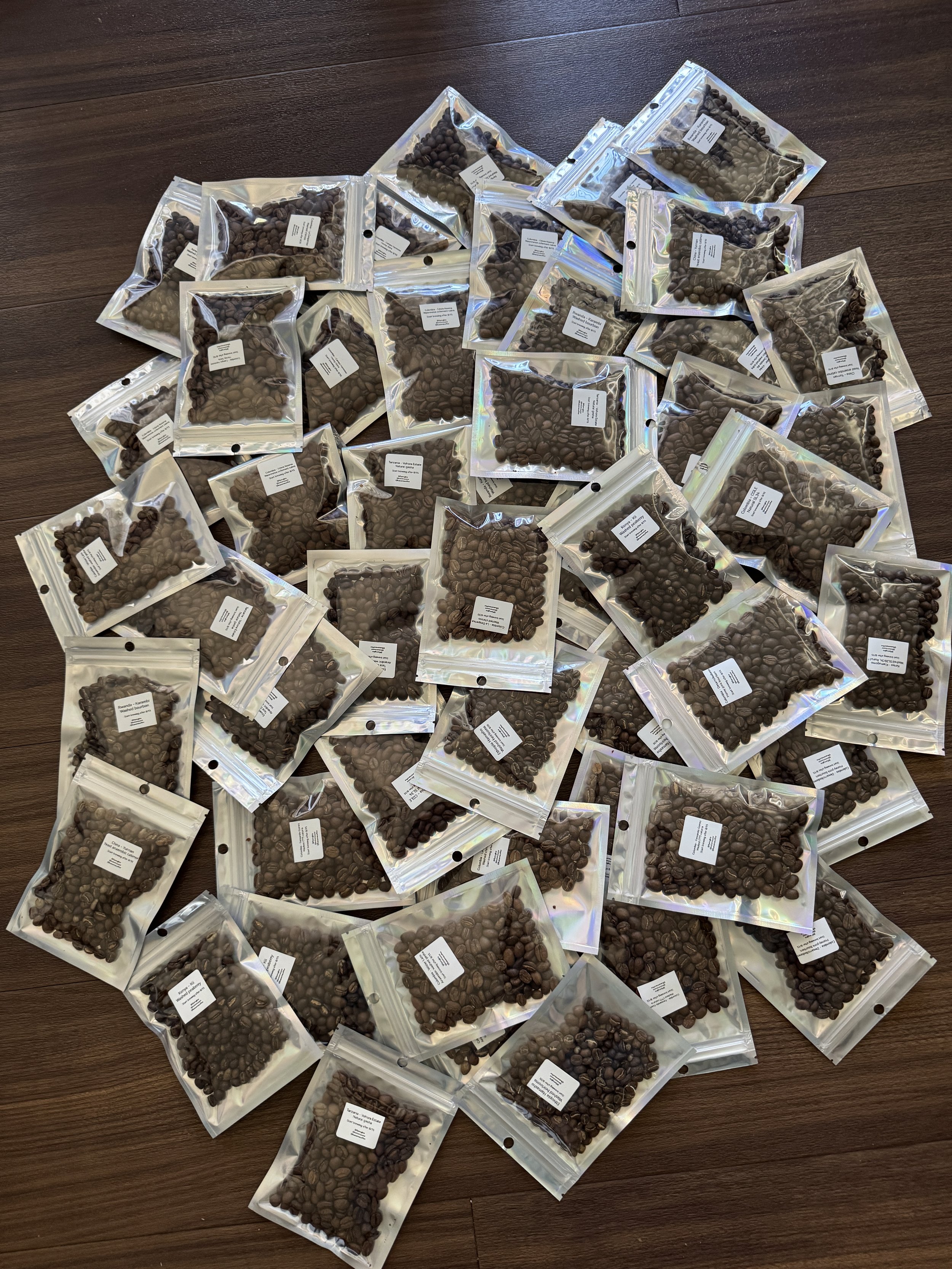
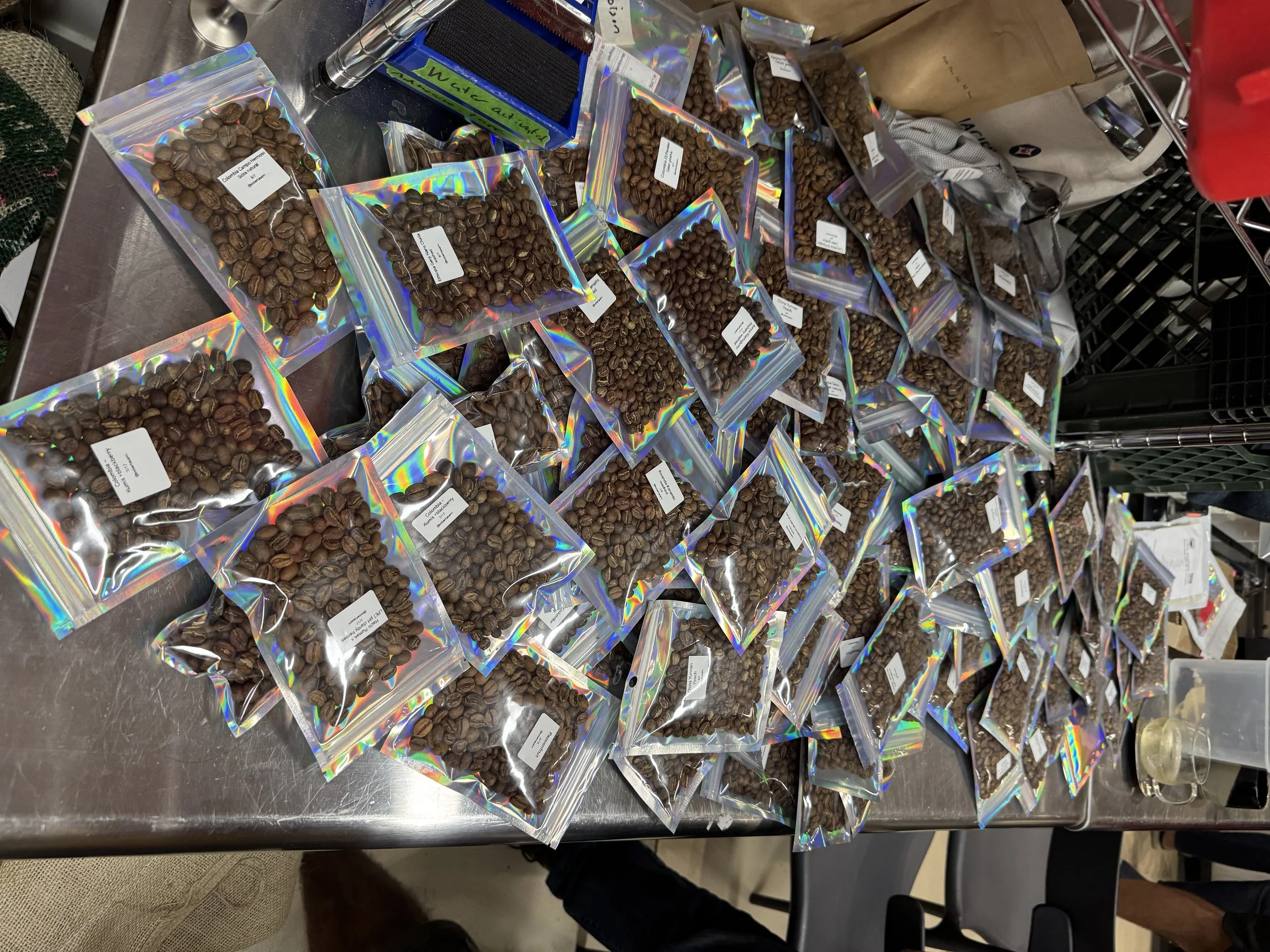
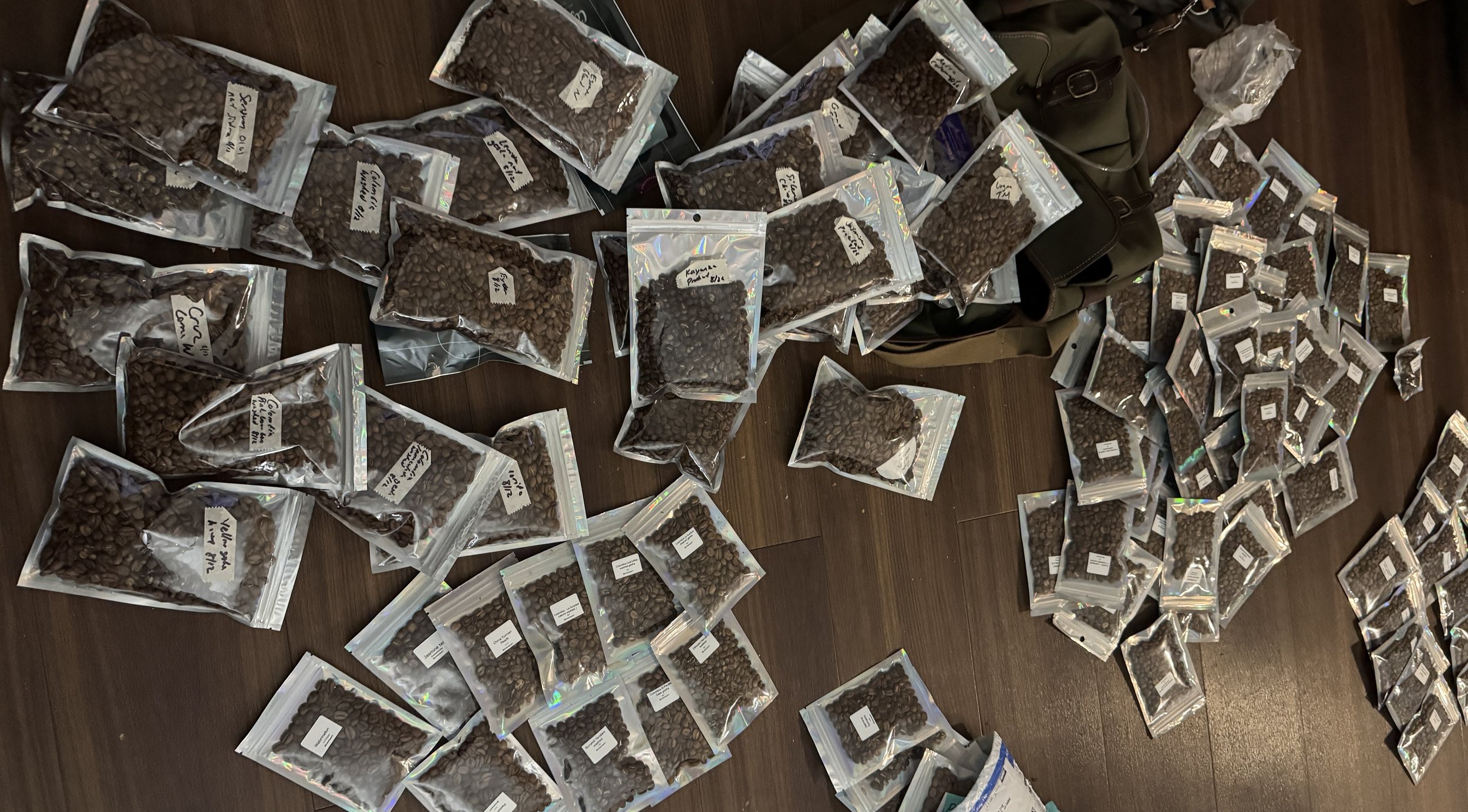
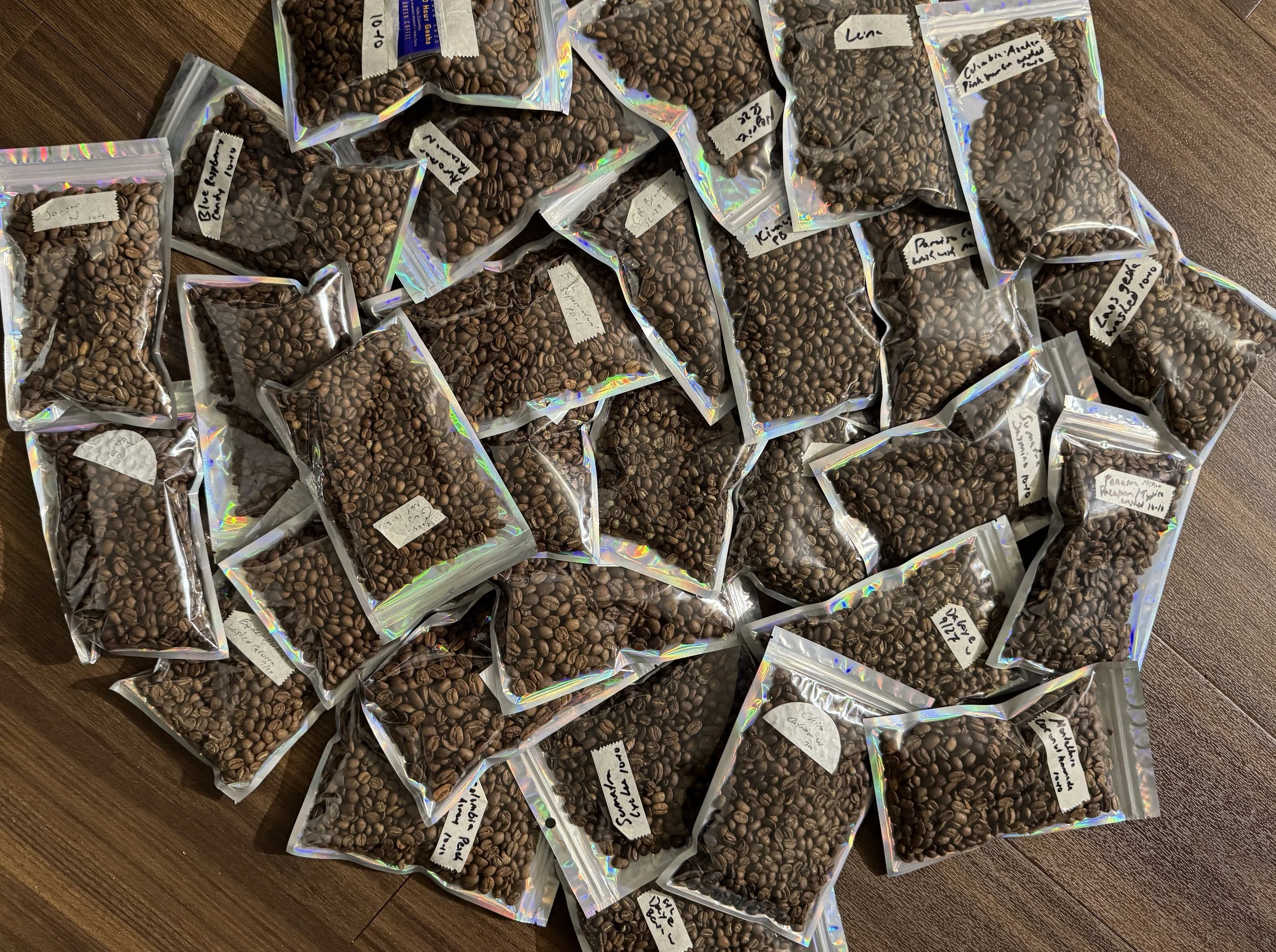
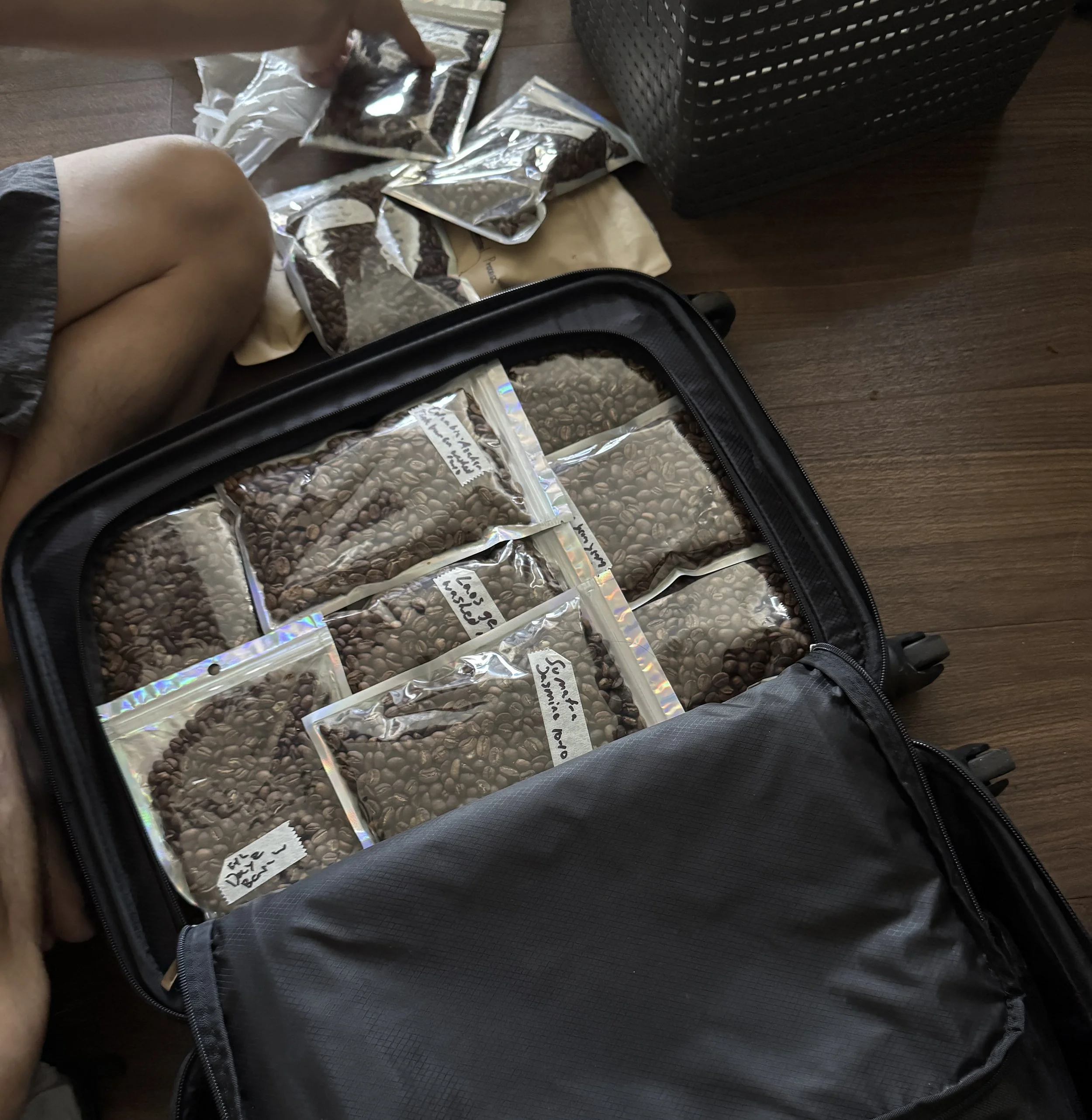
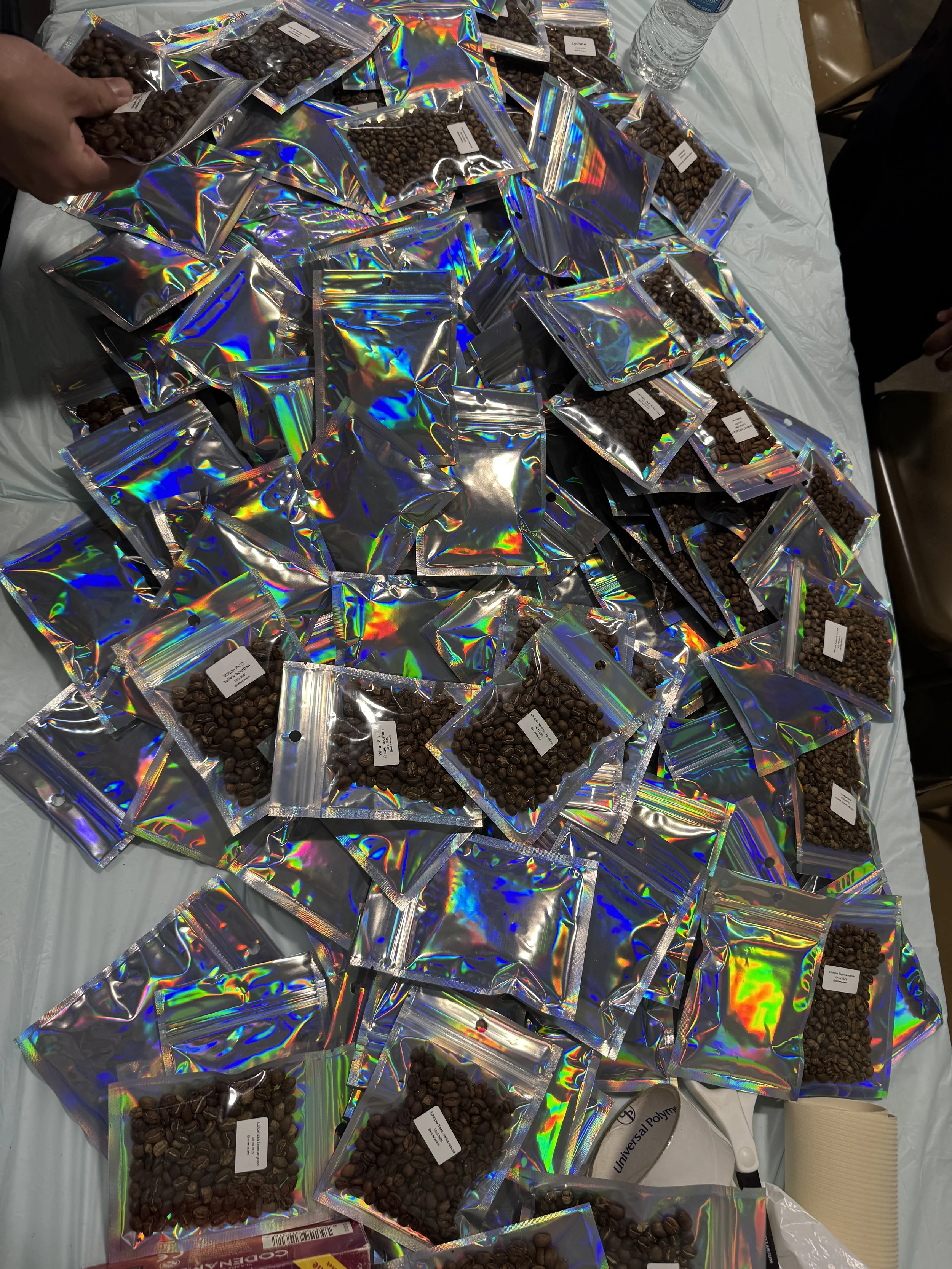
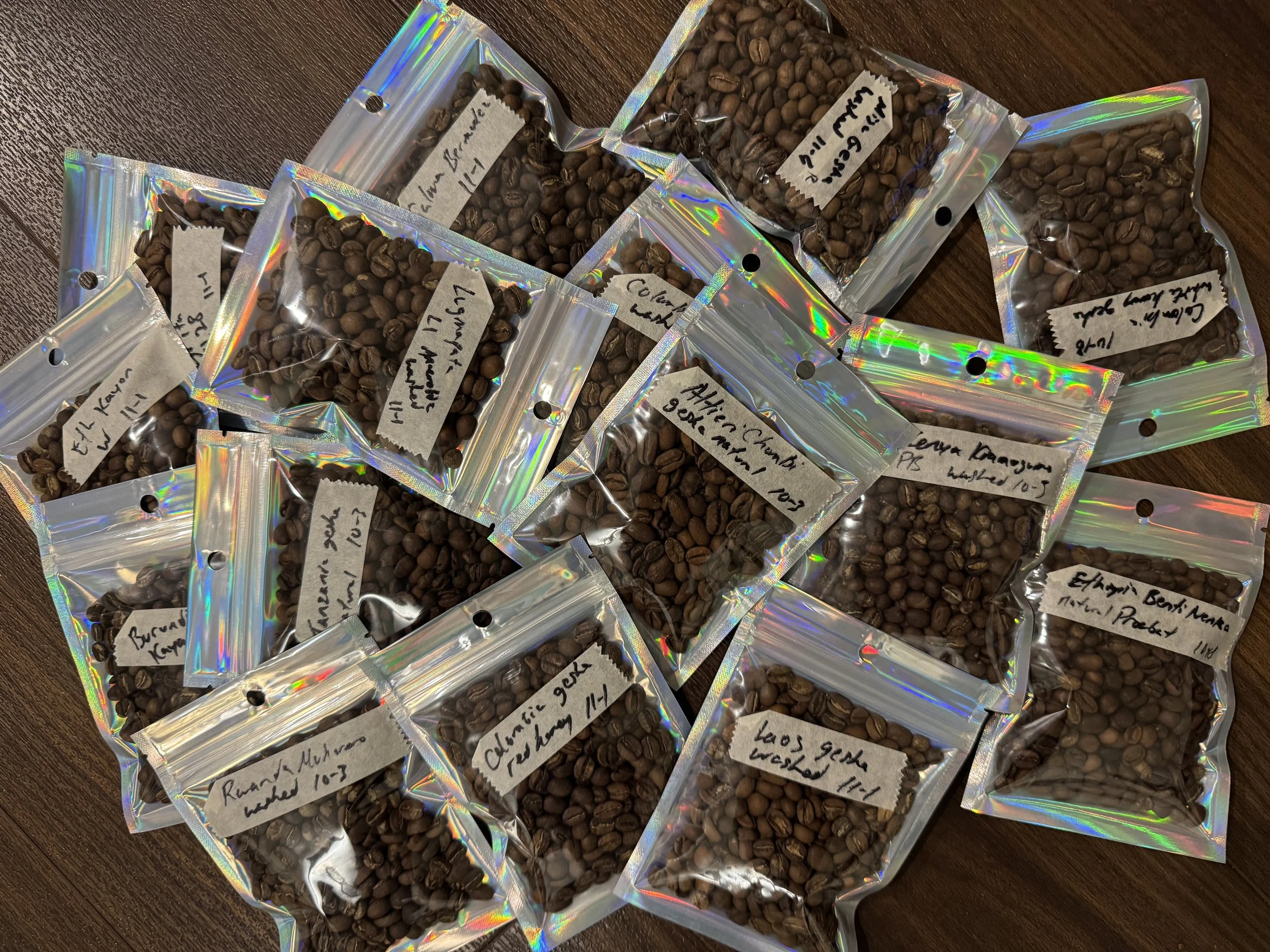
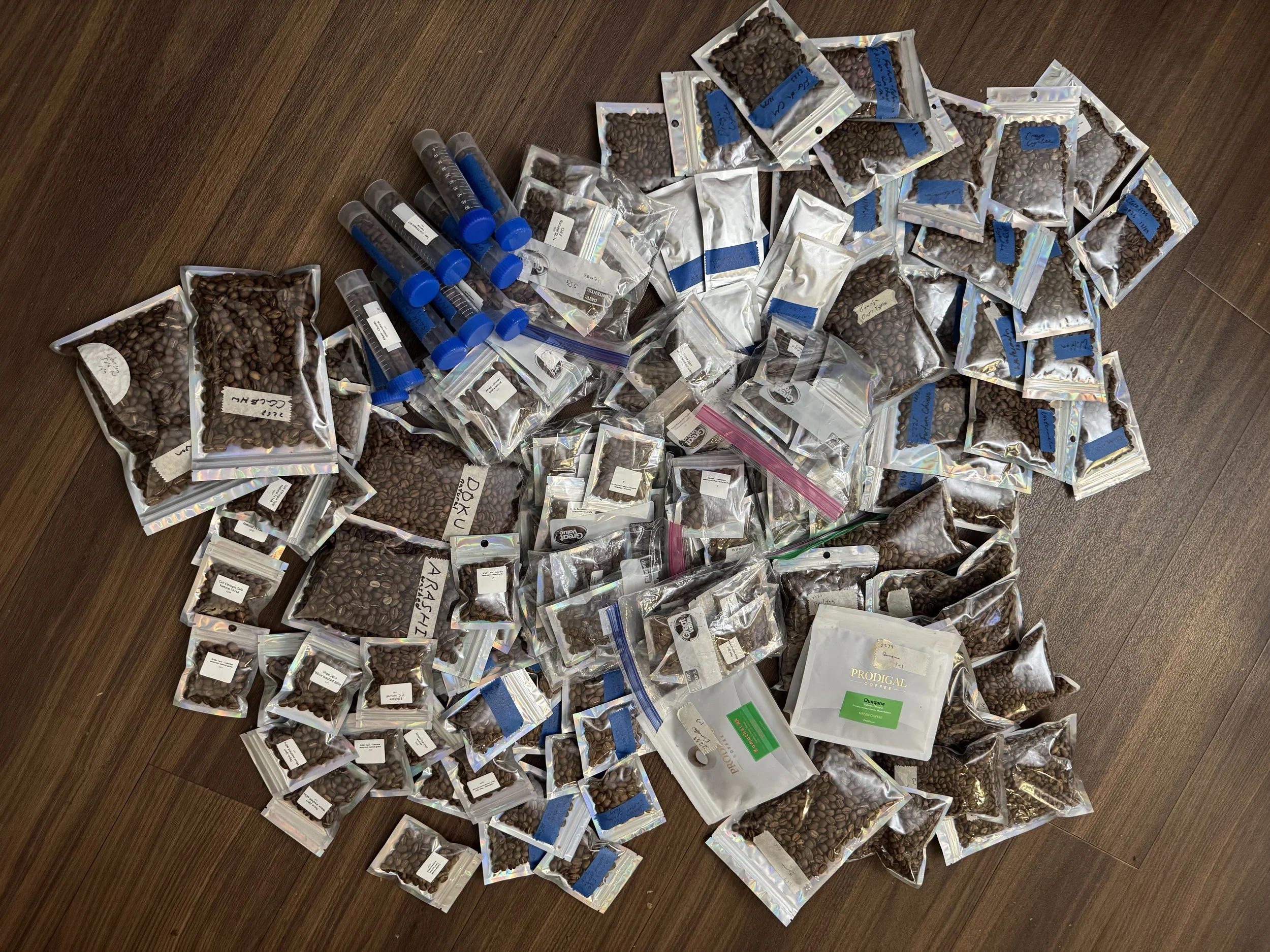
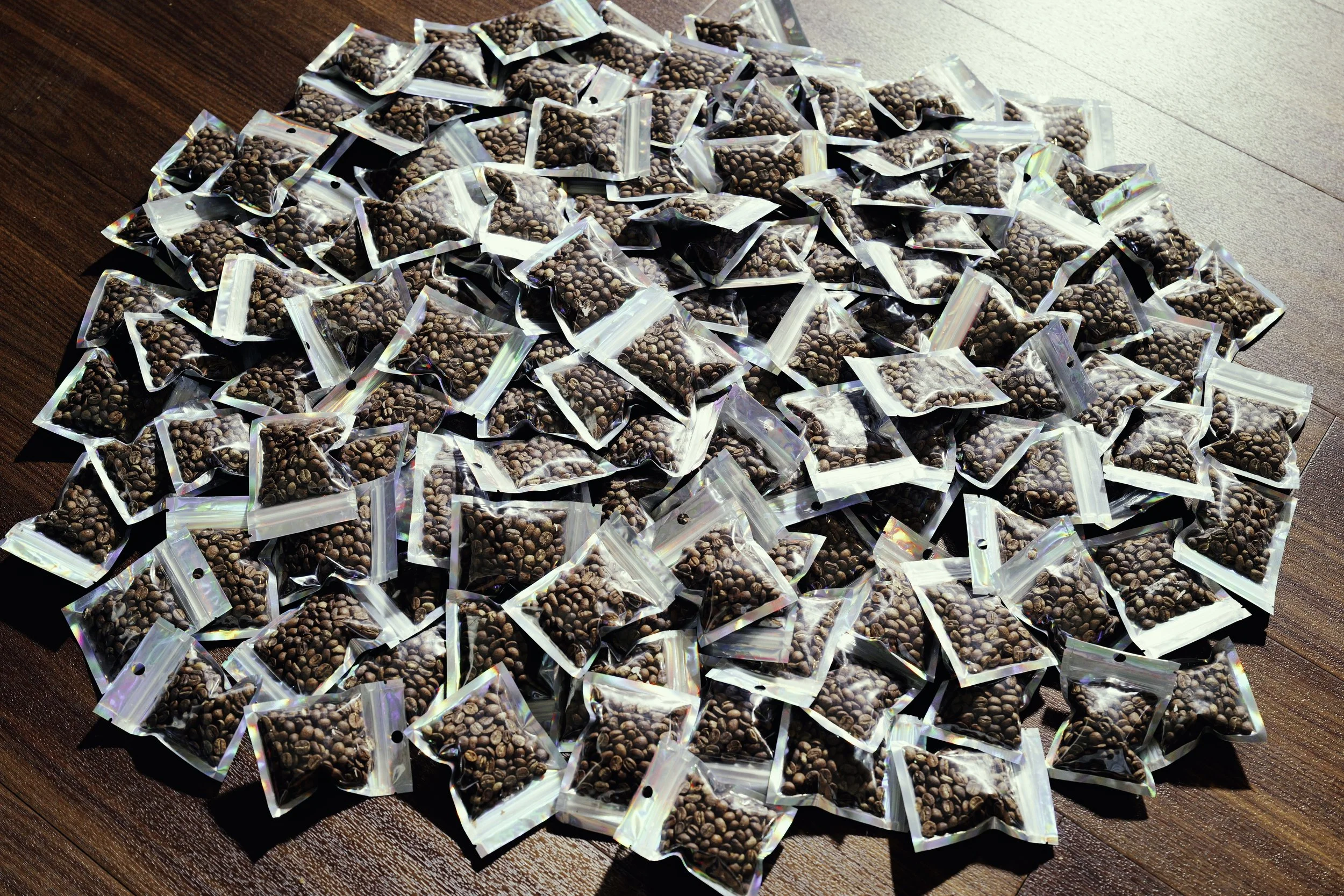
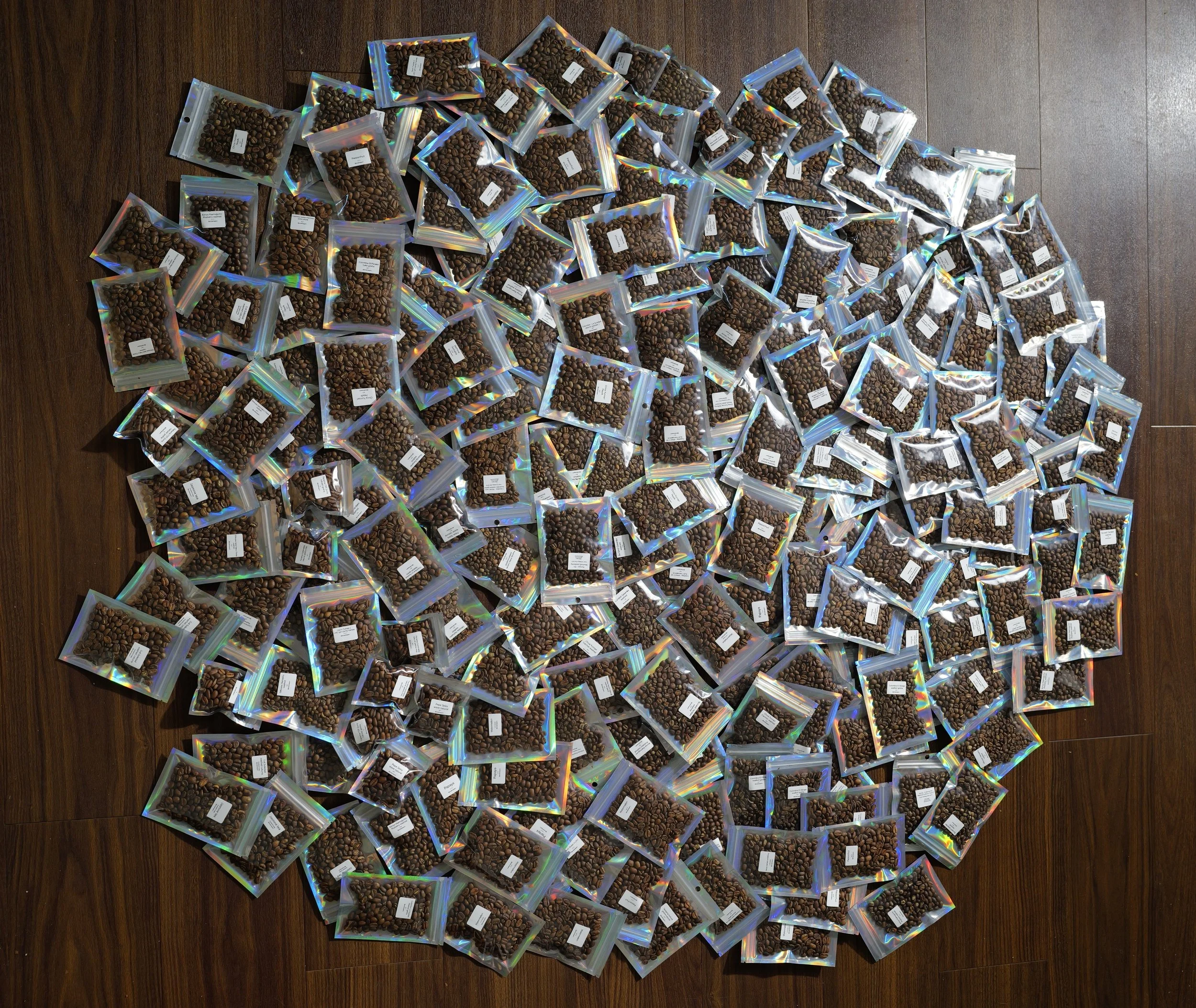
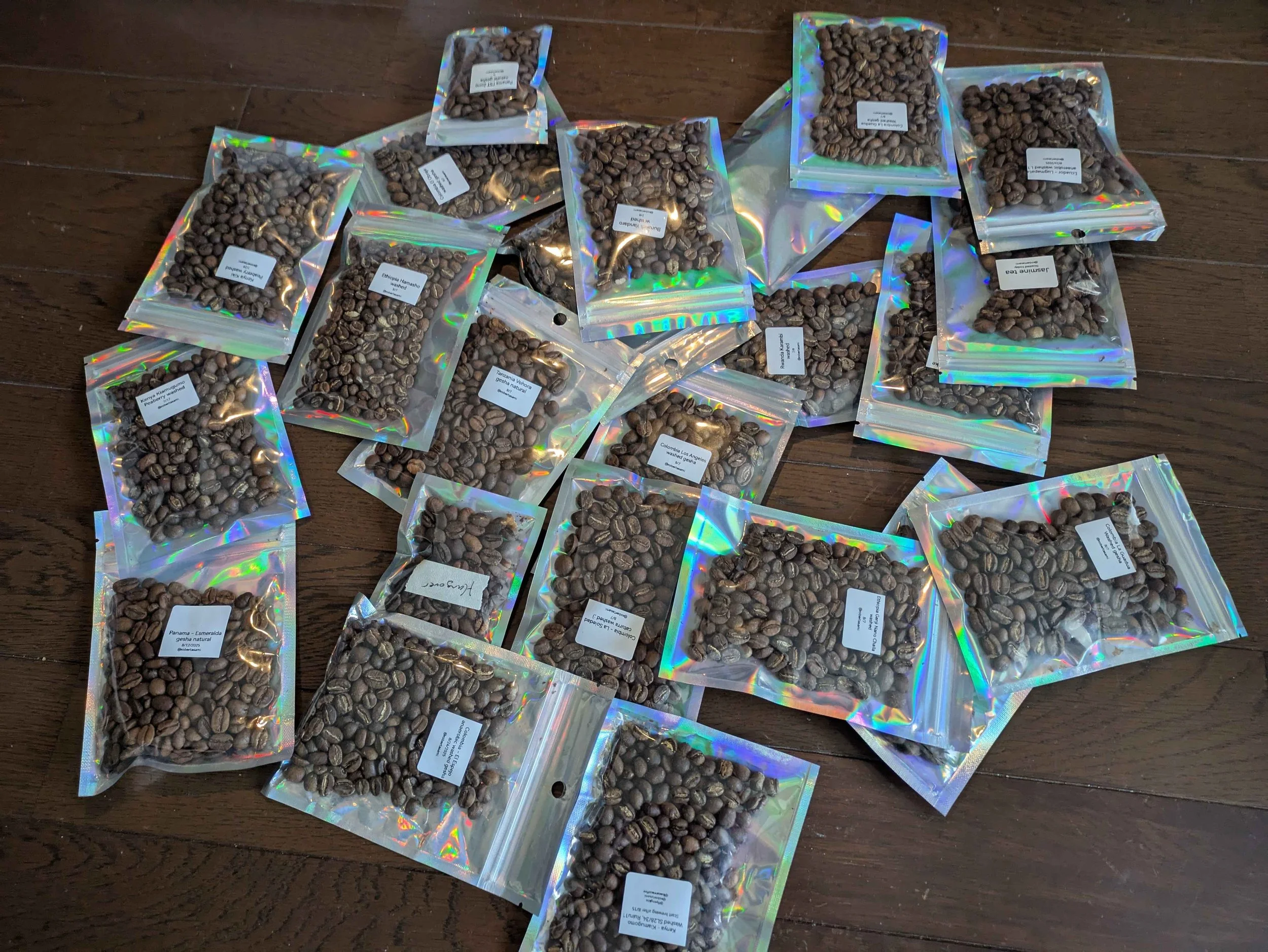
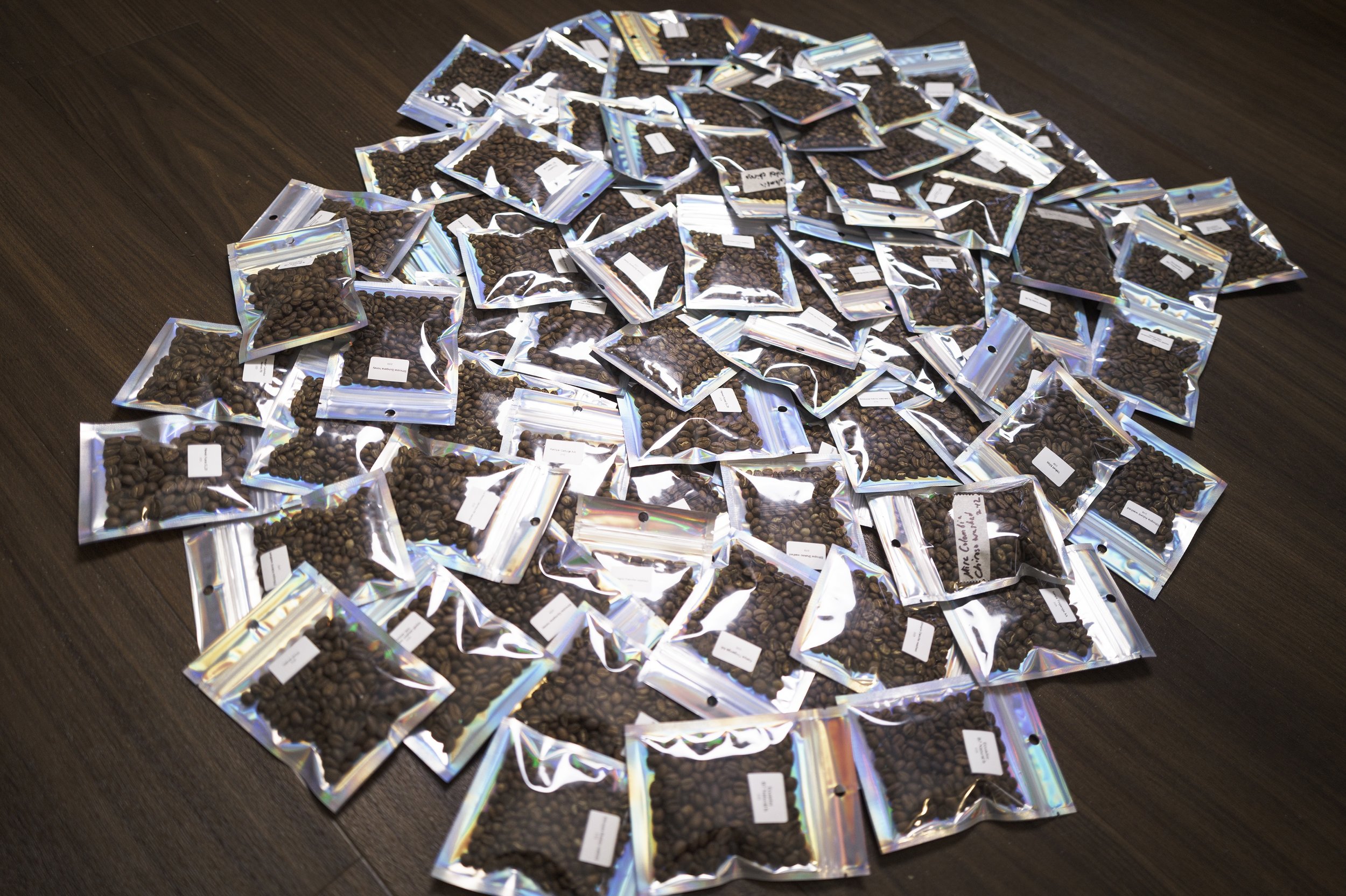
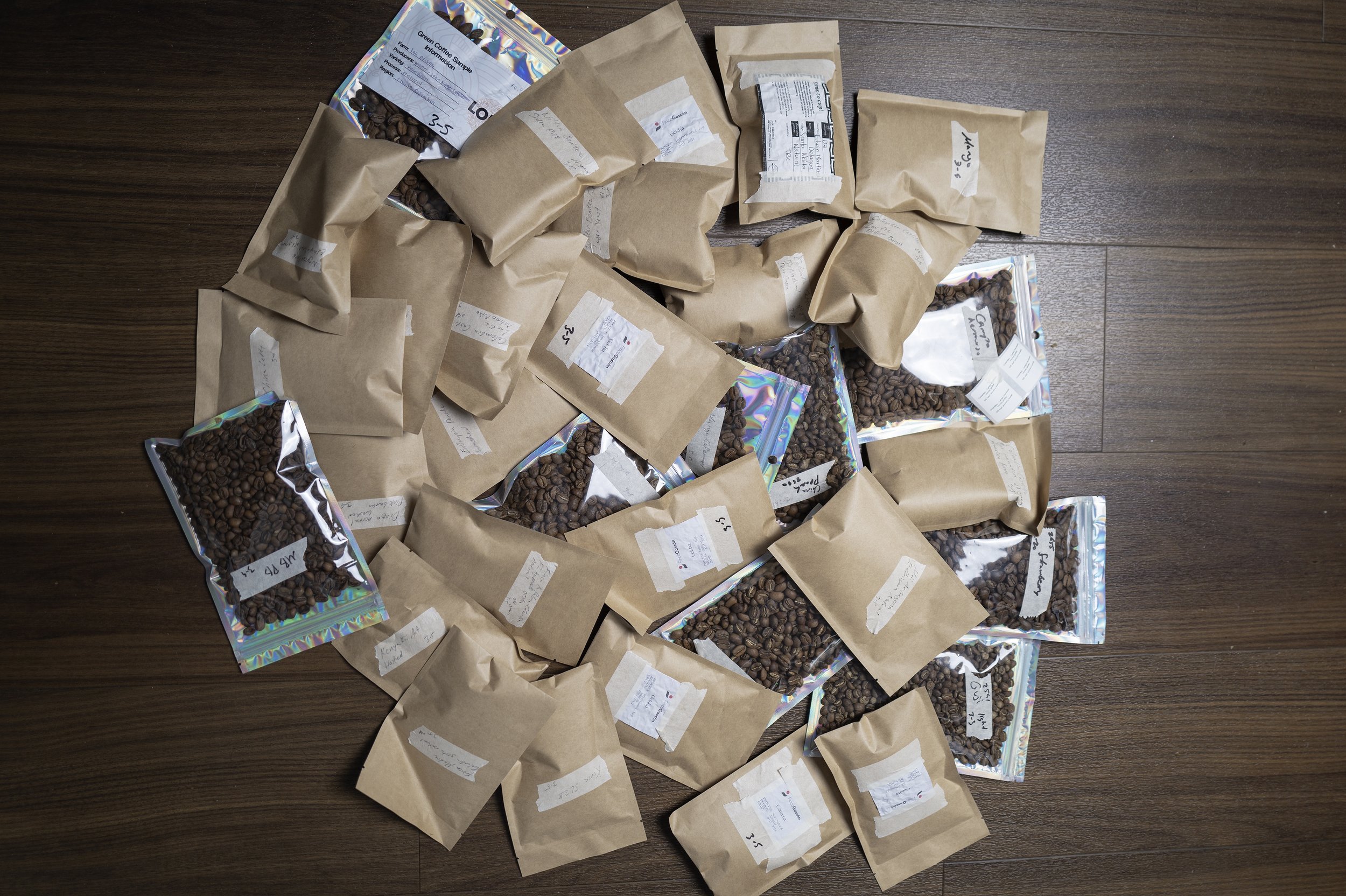
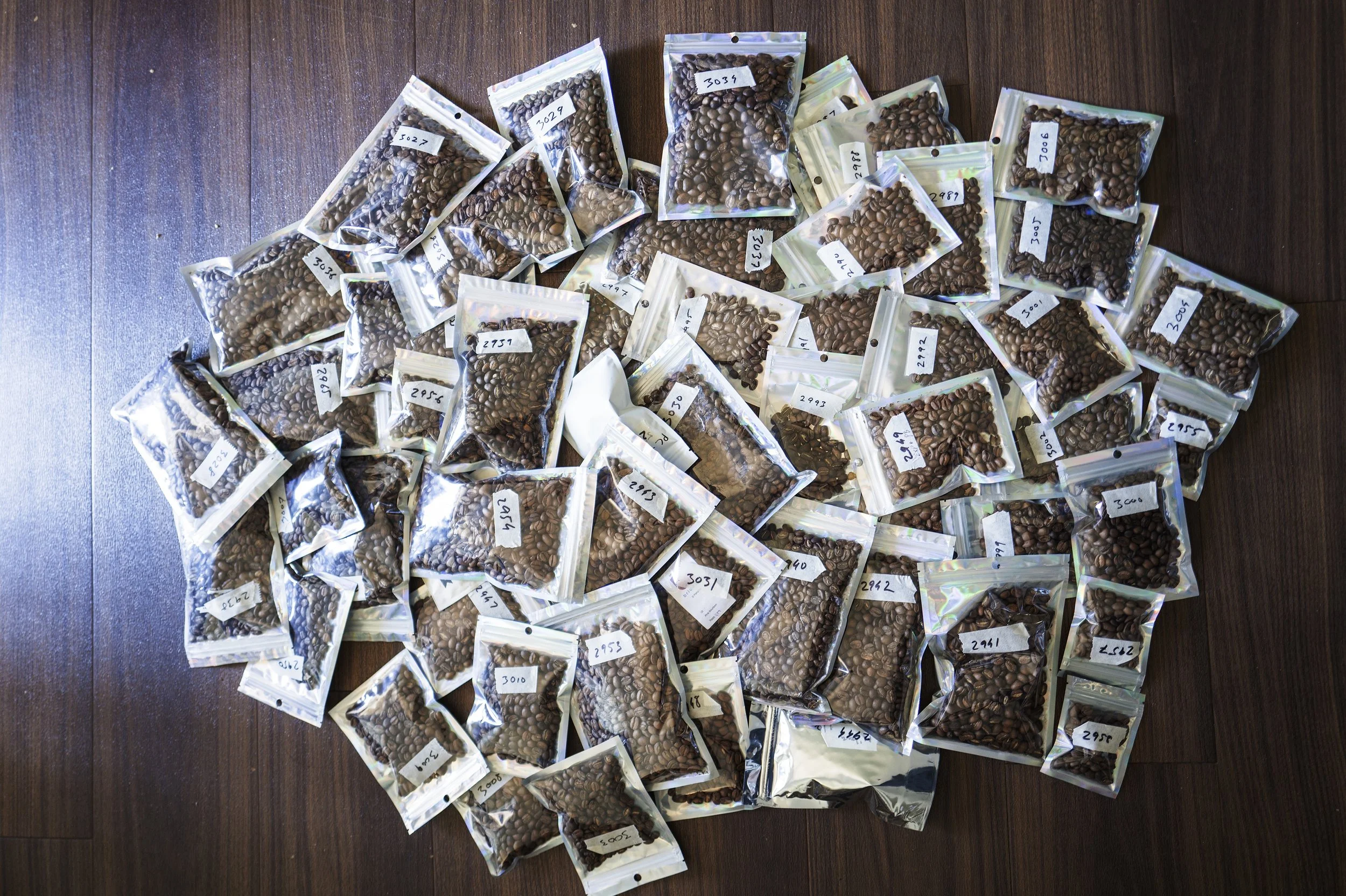
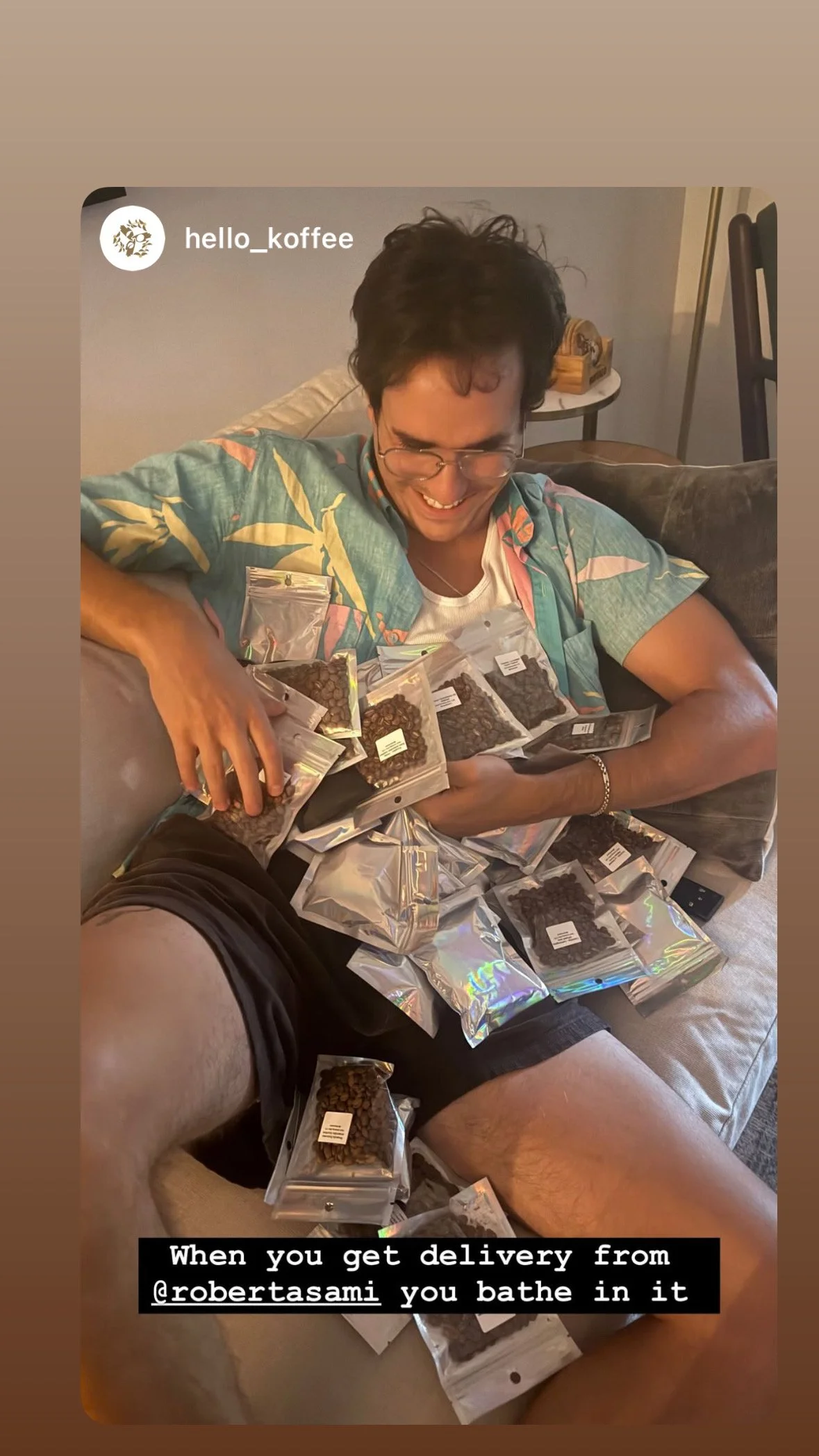
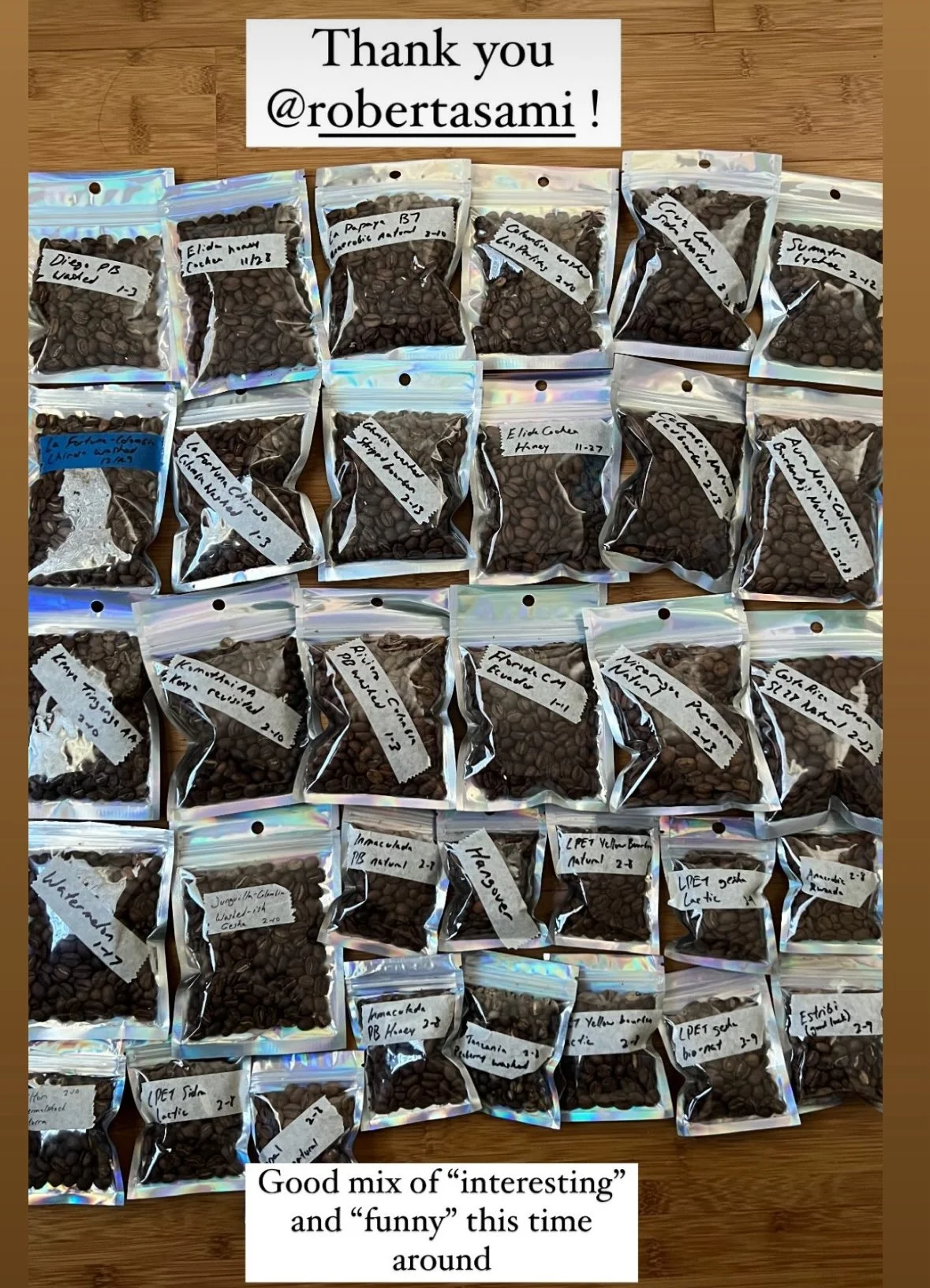
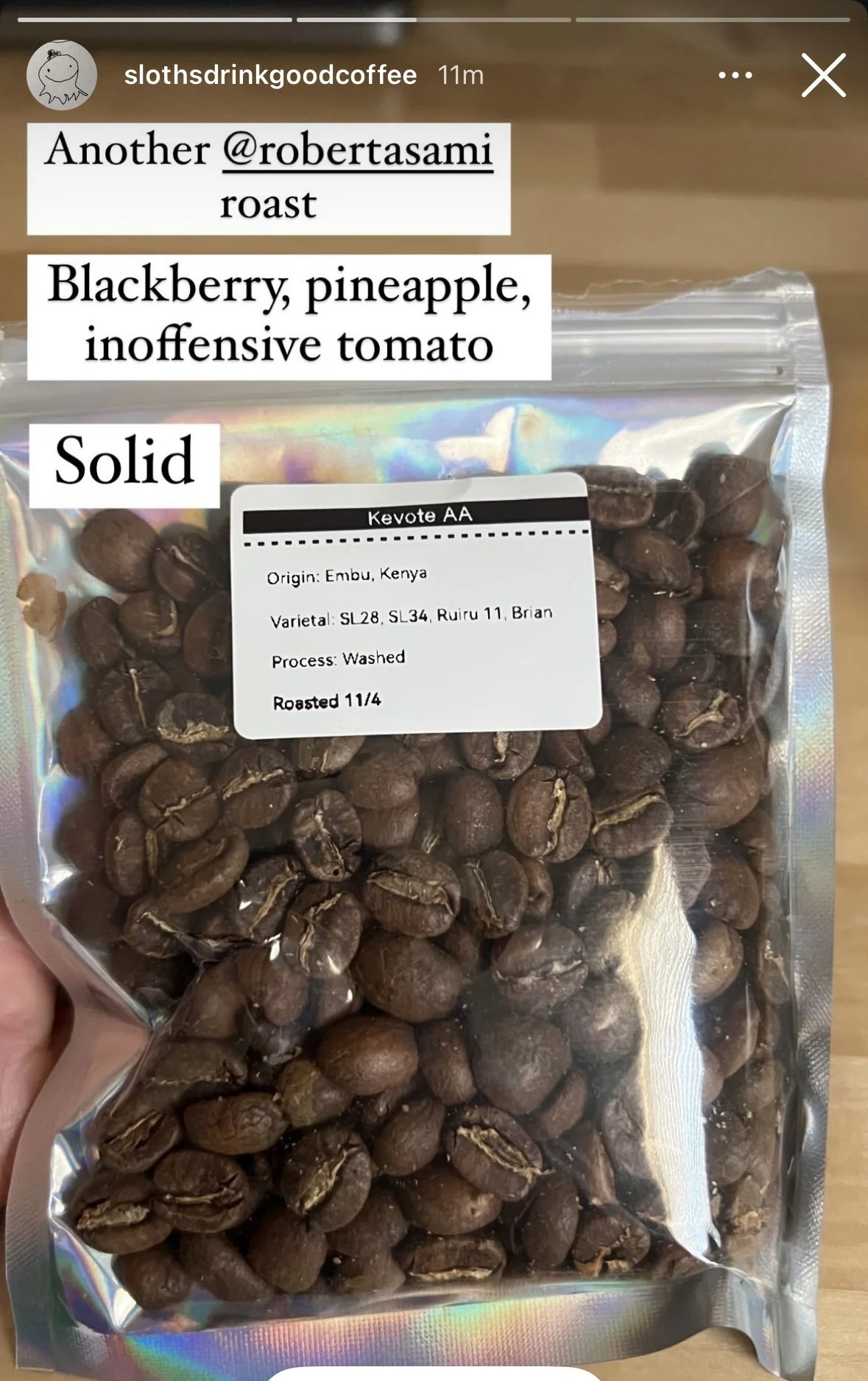
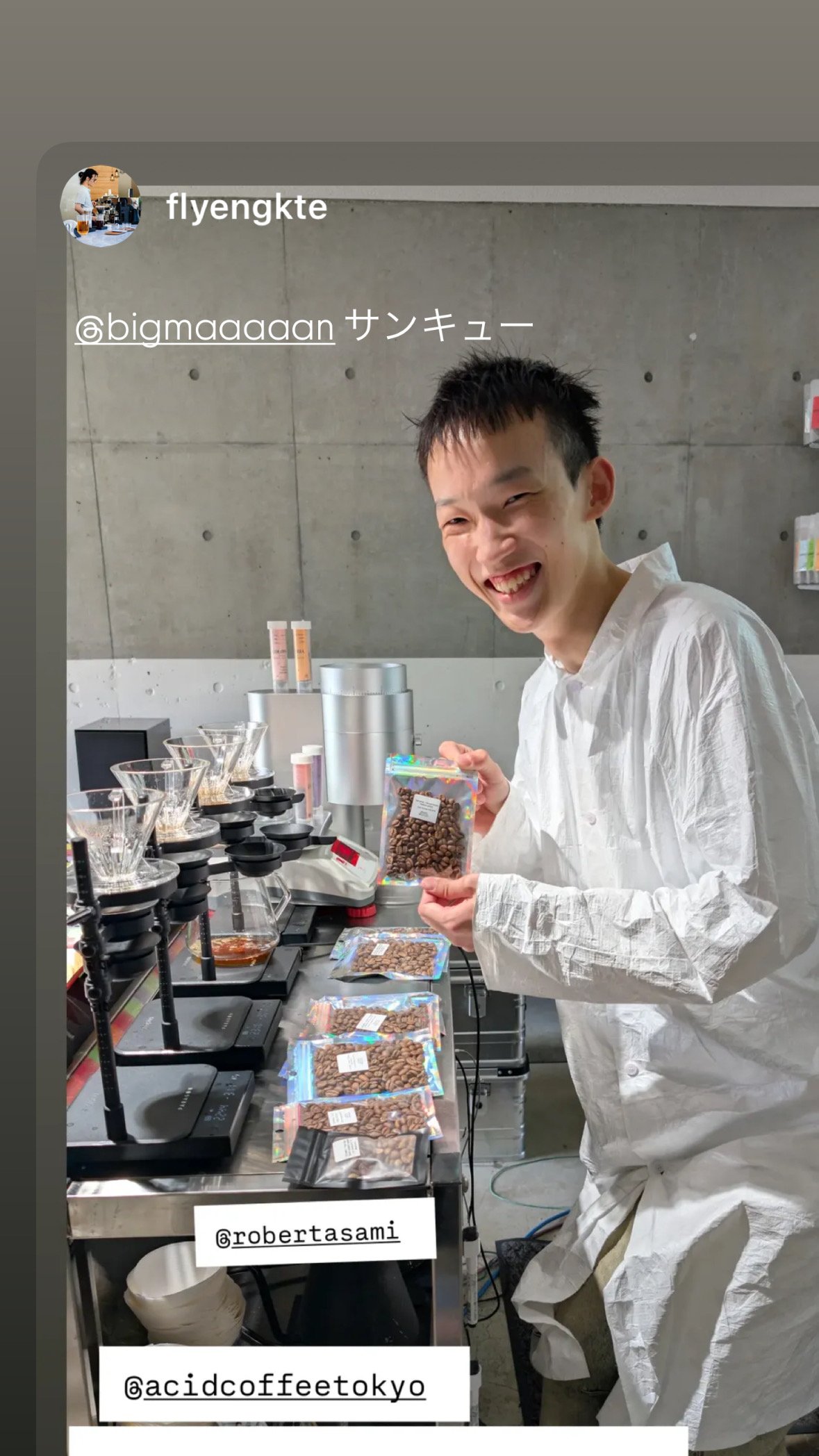
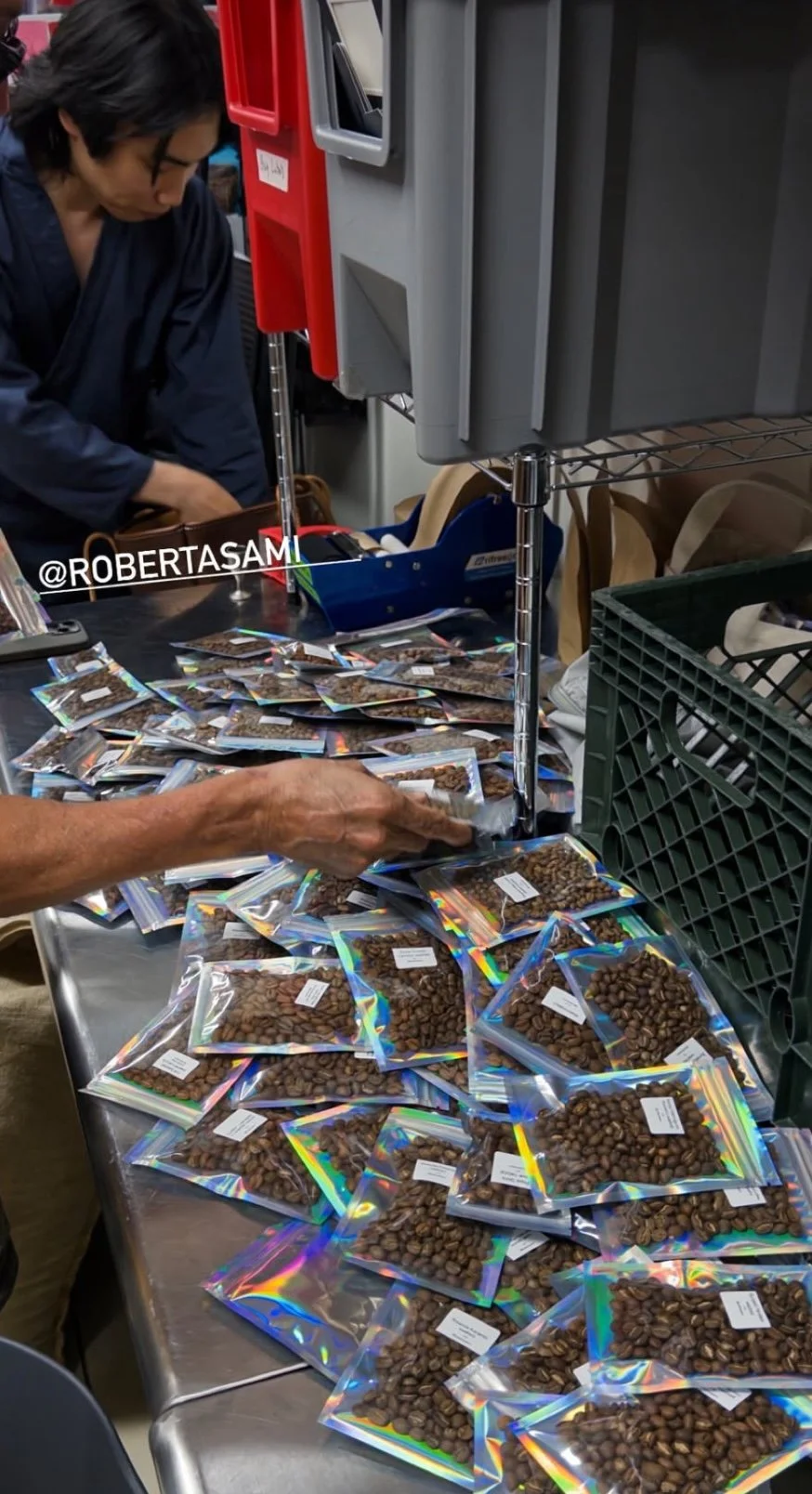
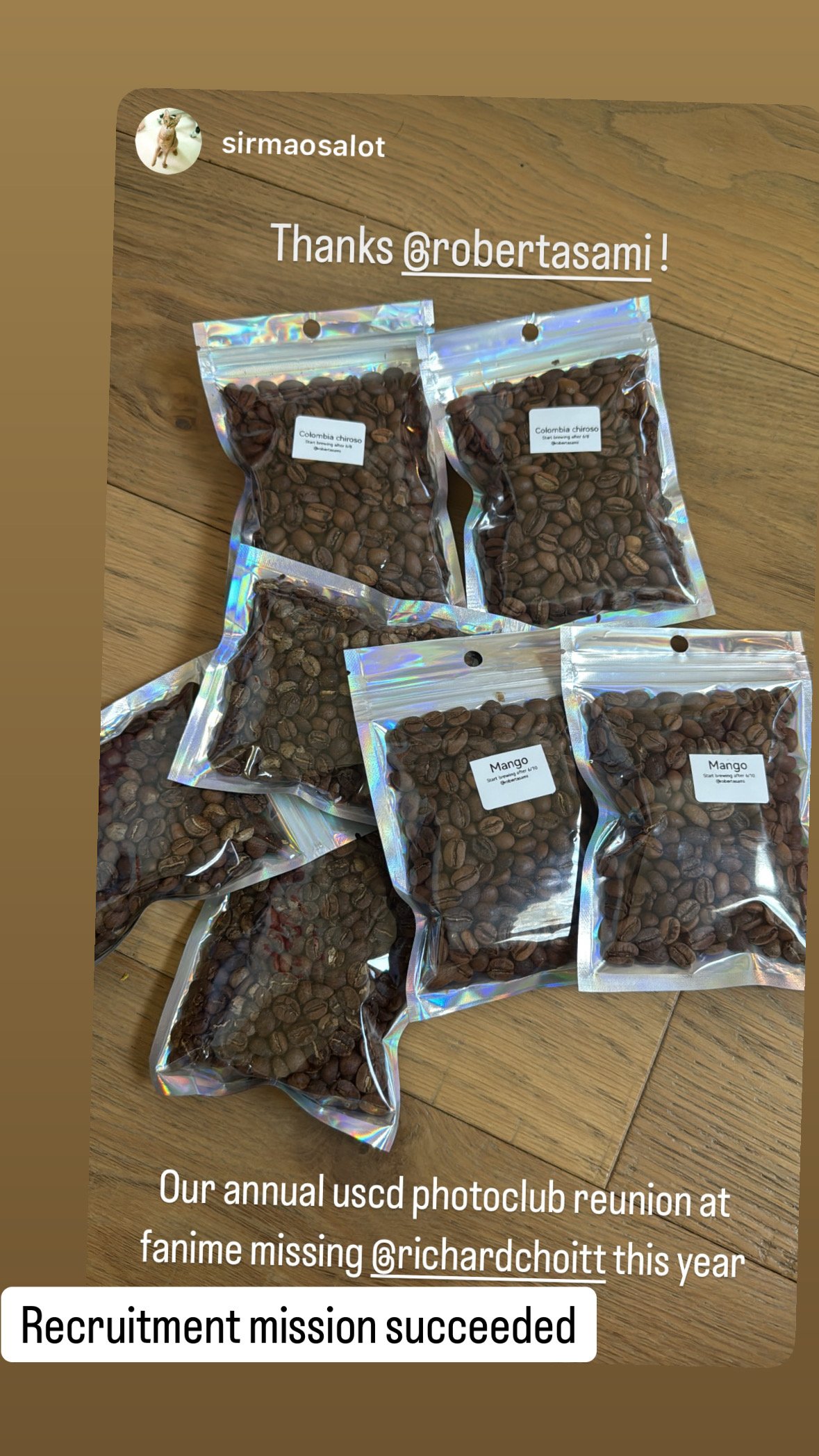
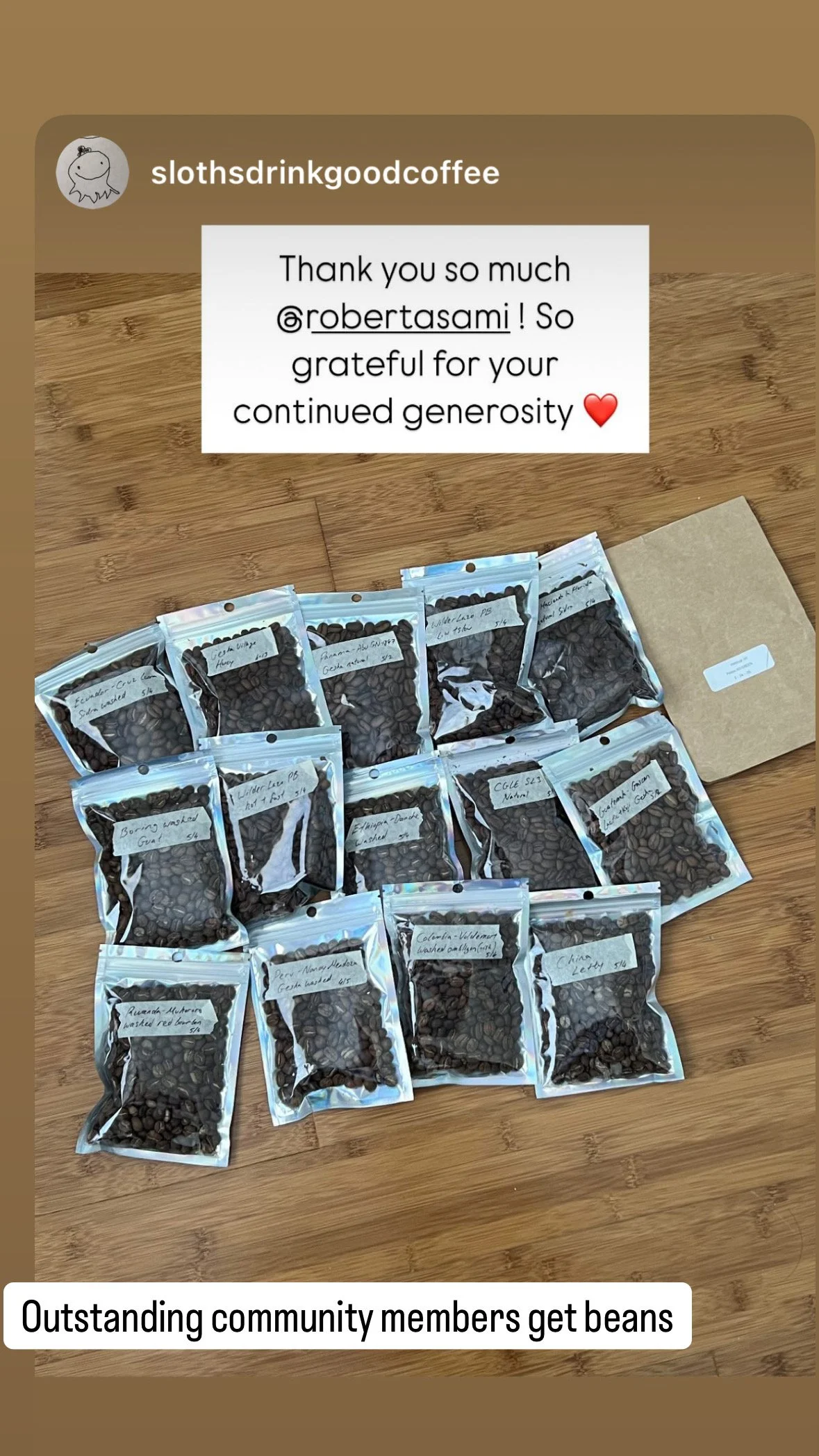
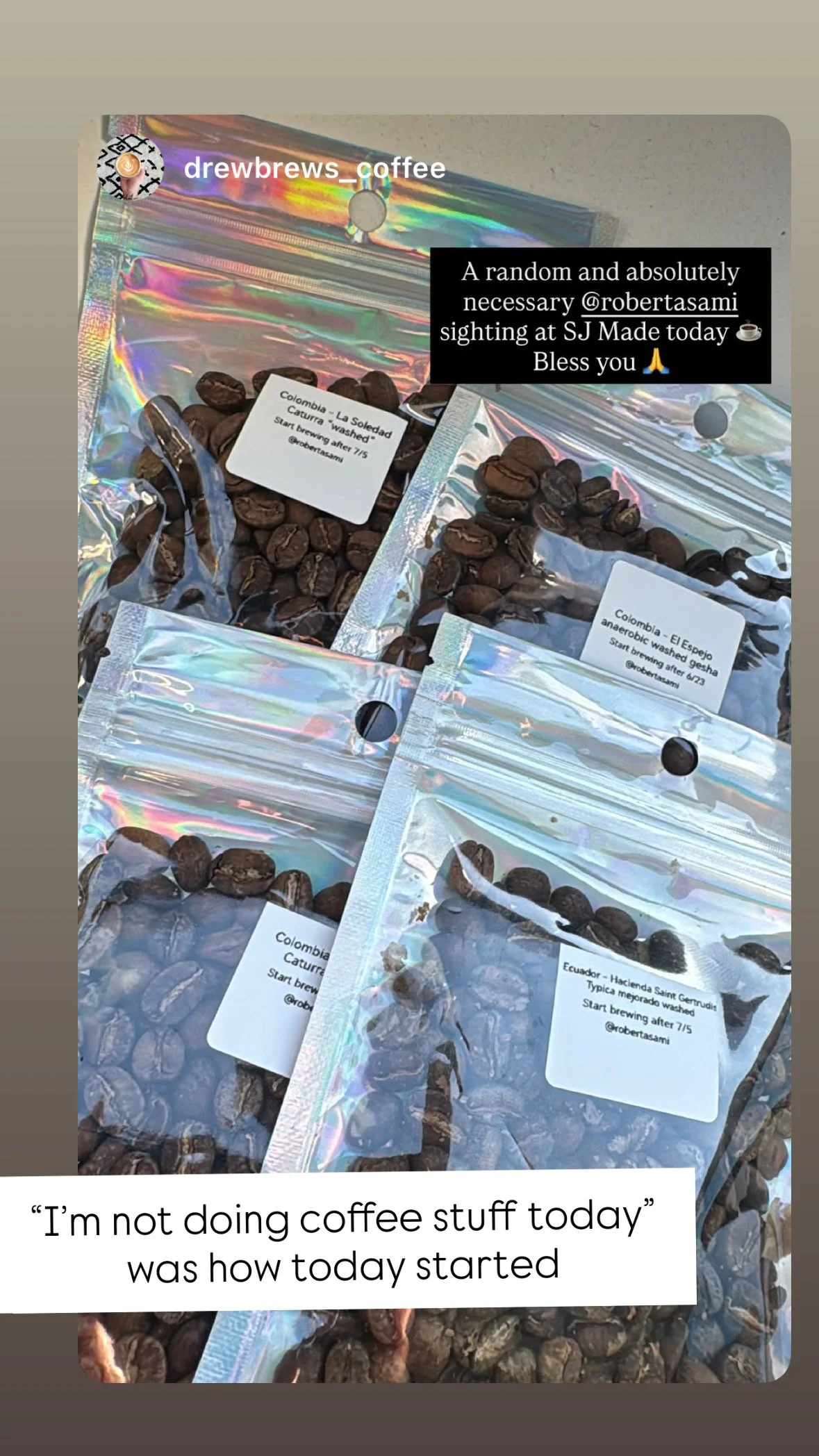
Though I saved myself the labor of logging coffees, I kept myself busy elsehow. I’d roasted ~1600 batches this year totaling 180kg, taking an approximate 250hrs. My local community already has a rich culture of sharing coffees, so I sought new ways to help people with my excess roasts. In various communities I stick my neck into, I’d keep an eye out for individuals with a good attitude towards learning, and I’d reach out of the blue to offer to ship beans. Perhaps it’d only help them learn to identify their preferences in process or varietal, practice verbalizing their experienced qualities, or try a variety of offerings from a consistent roasting source. The ideal outcome I’d hoped was for them to start transitioning into building their own community by getting in the habit of finding other folks to regularly brew with, sharing beans, and building a common experiential language; the stuff that Discords groups and forums can’t do.
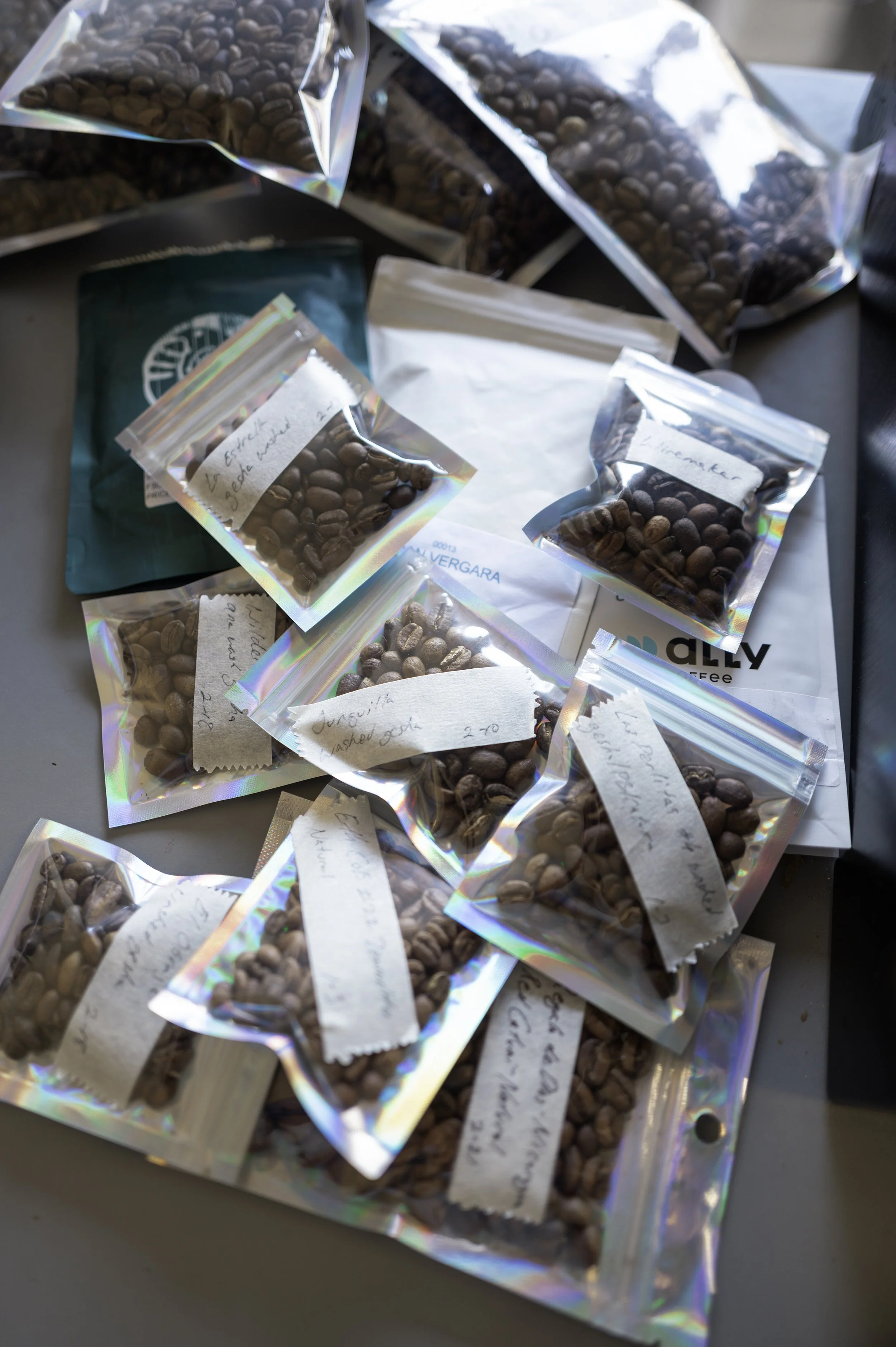
Adhering to my principle of not making money in coffee, no funds or compensation was accepted for both the beans and shipping; I spent $350+ in shipping, $150+ in bags, not including the cost of purchased green. 100 bags across 15-25 types of coffee was common for a gifting round. Bagging and labeling is by far the worst part of this effort, but given this is all charity, I don’t have the space to rationalize an industrial doser and continuous band sealer.
*Please don’t take this as an invitation to reach out for free beans, requests will be ignored.
Other highlights
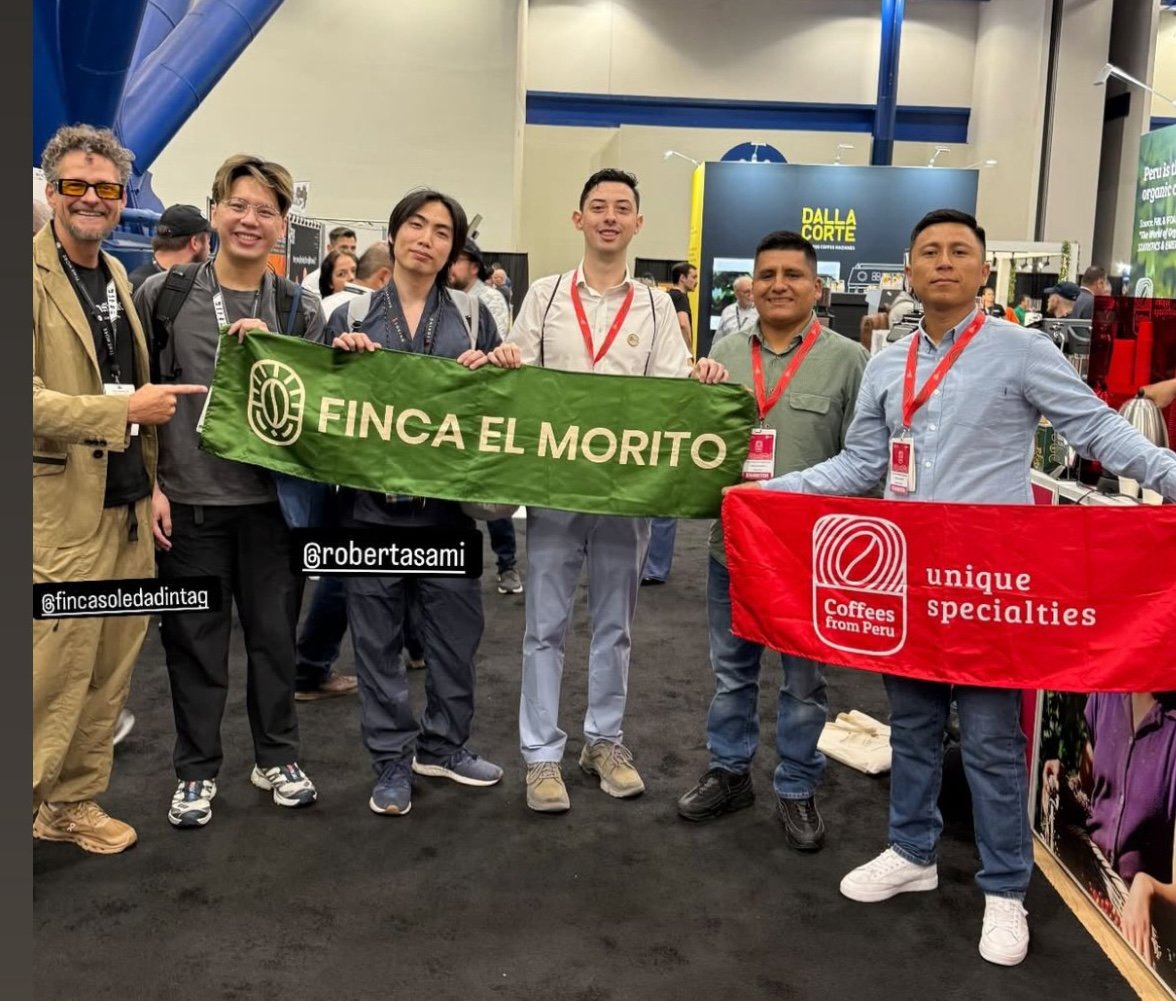
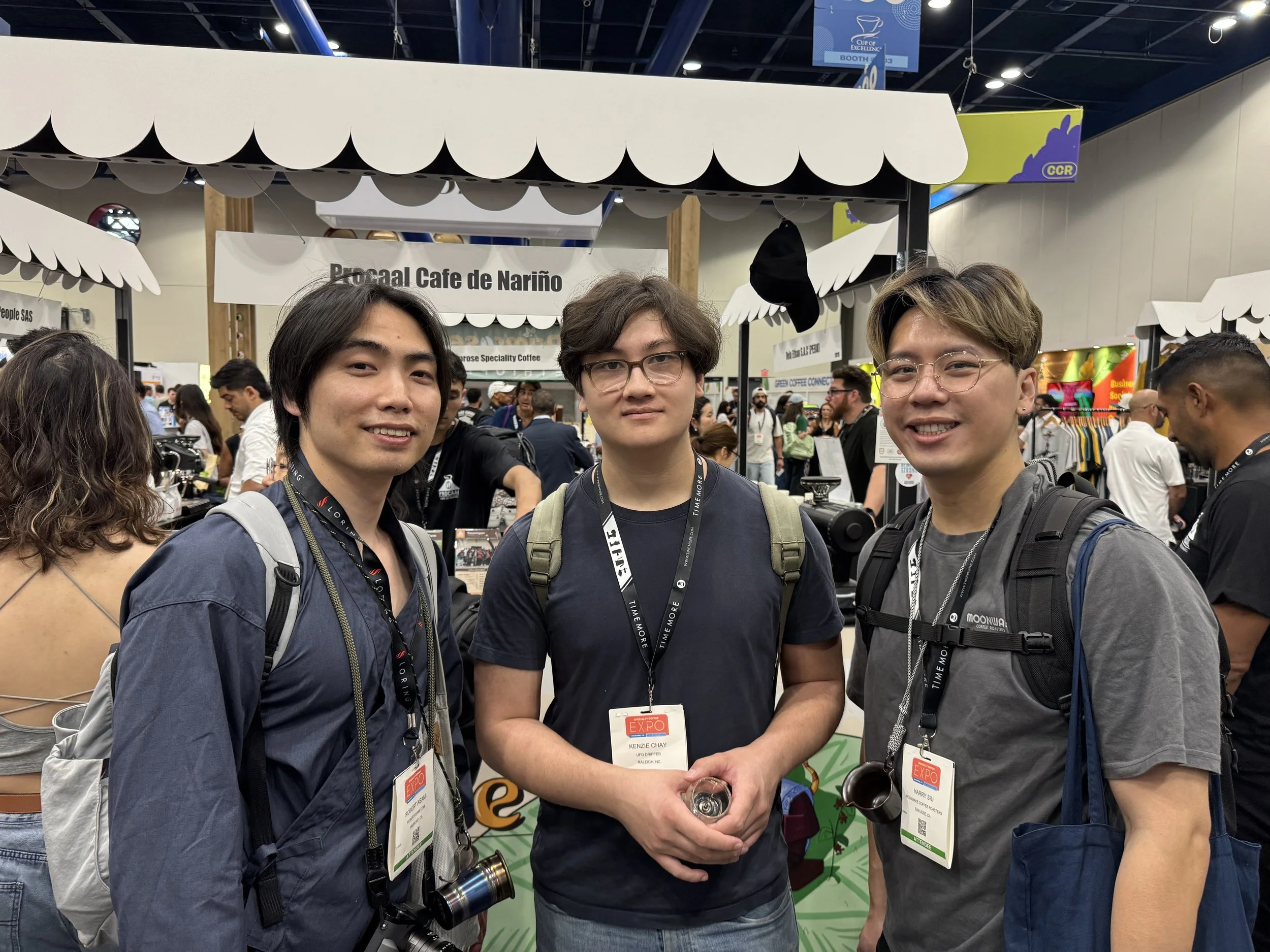
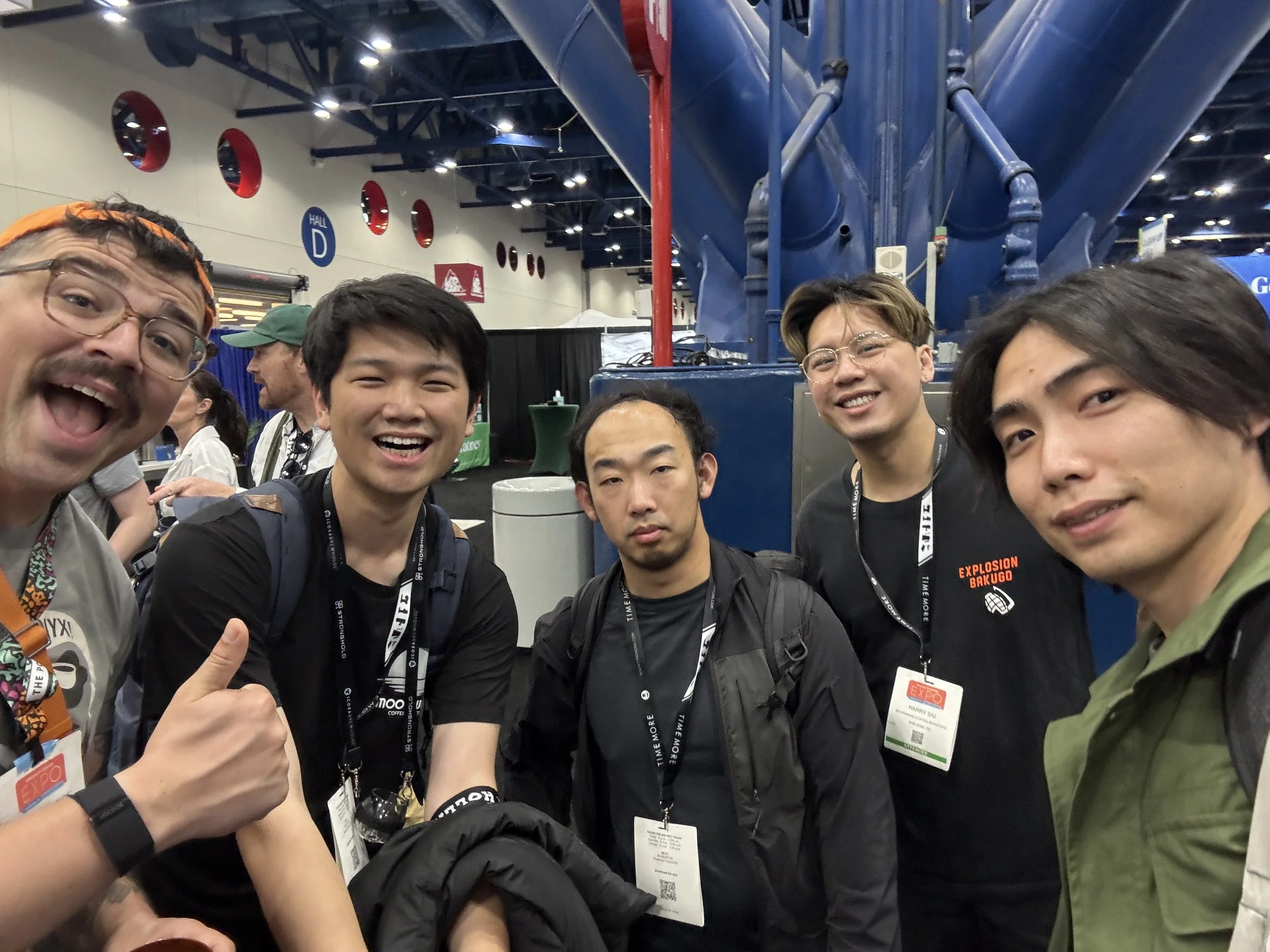
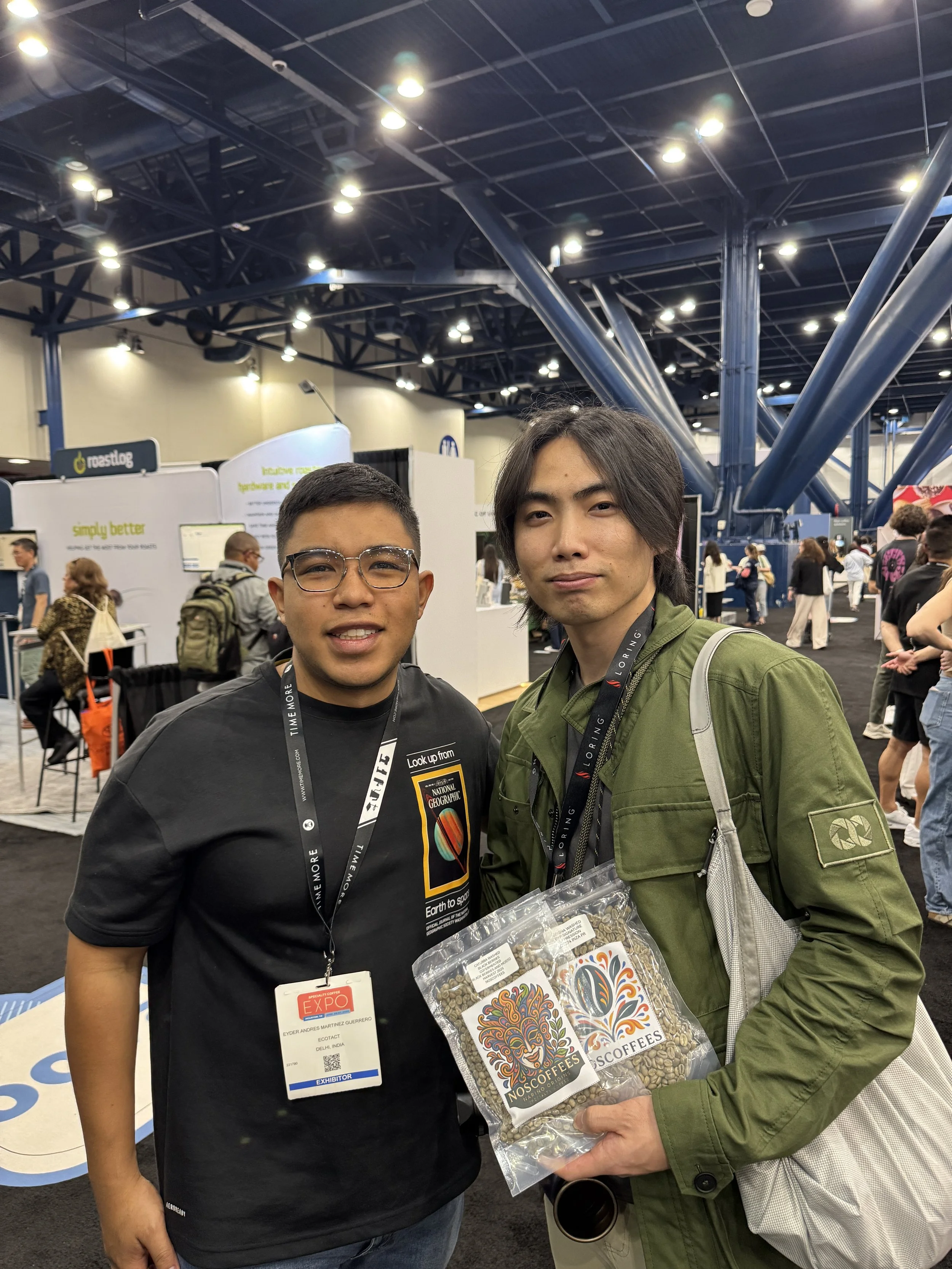
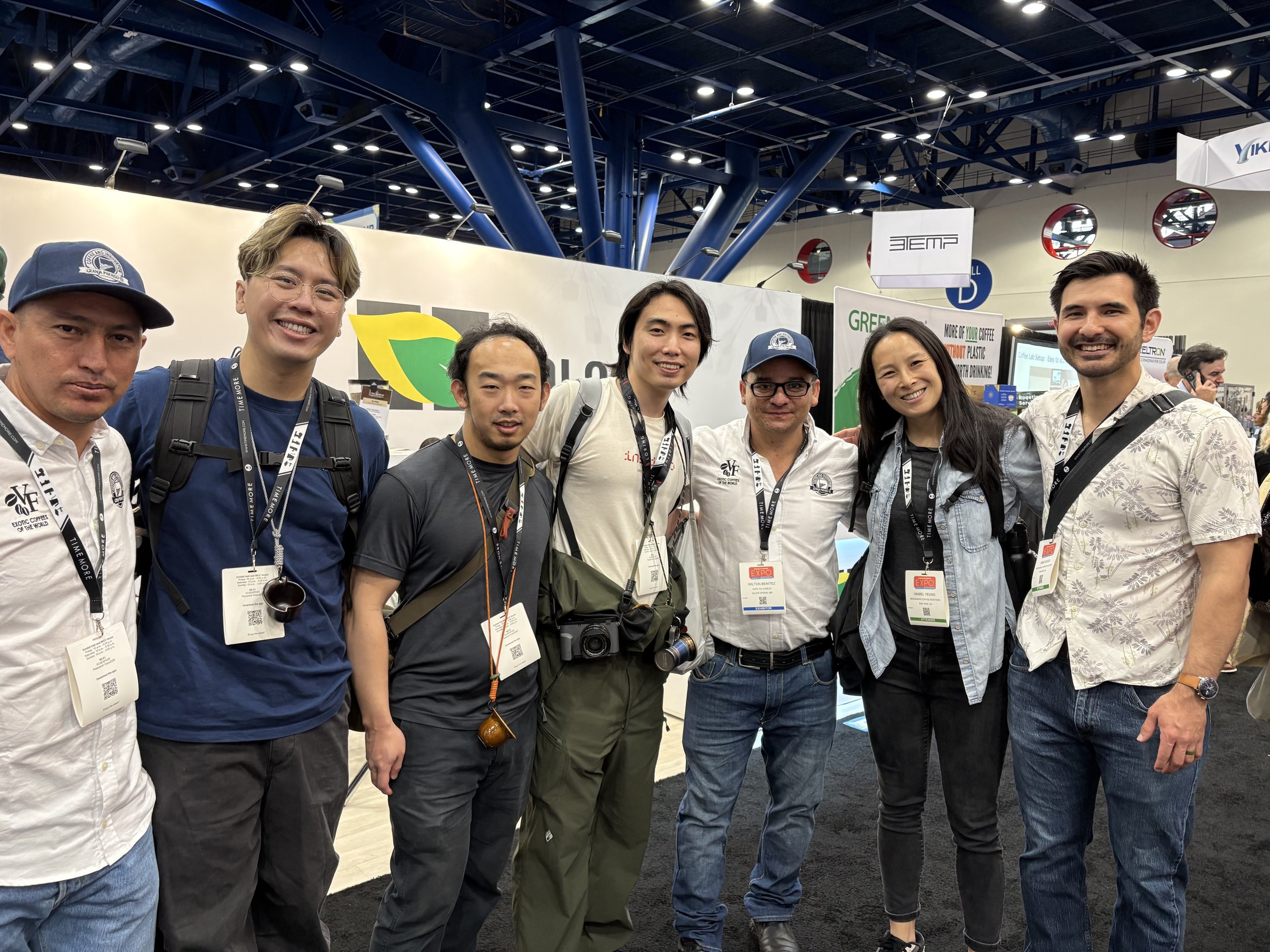
SCA Expo in Houston, TX
Expo is always a fun time, it’s worth your while as a coffee enthusiast to visit at least once. The first time, you’ll be overwhelmed at how much stuff that’s typically limited to the internet (shelves of coffee gear, producers, industrial equipment) is within reach. It’s also humbling to see in-person how different online community discussions are vs. the comparatively slower, steady coffee professional industry. This was my third Expo, and it felt more like I was going to visit out-of-town friends. I managed to offload about 22lbs of my roasted over the weekend. Even if they’re not your own roasts, saying hi by sharing beans is always an effective strategy to have a chat with anyone at the event; excitement begets excitement anywhere on the expo floor.
This year’s event is a branding shift from SCA Expo to World of Coffee. It’s in San Diego where I spent my 20’s, so I’m really looking forward to this one.
Home-roasting elitism
Home roasters can fall into this trap of creator’s bias (a.k.a Ikea effect) and thinking their roasts are the better than they are because it’s by them, for their tastes. I spent a bit over the past year intentionally going down this narrow-minded path and living exclusively on my own roasts. This will lead to a writeup about the pros and cons of picking up roasting as a hobby. Weirdly, because I removed myself from roasted coffee shipments for 2025, I missed directly dealing with tariffs; the green coffee I bought remained within range of expected prices.
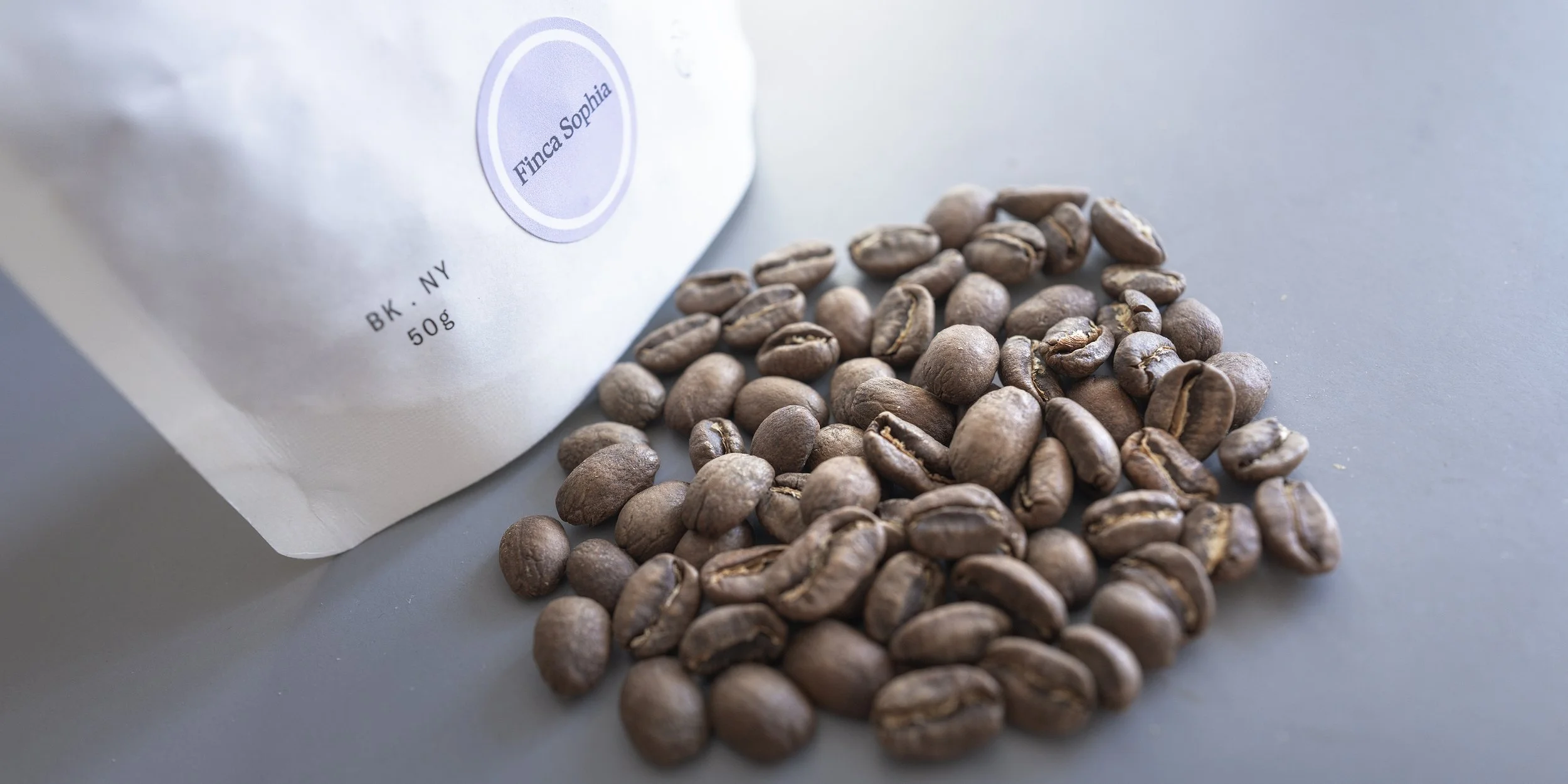
I’d almost completed a year of not purchasing any roasted coffees, but the one that tipped me over was Sey’s Finca Sophia washed gesha; sublime. In that sense, I’d failed my silly, self-induced mini-goal of being a hermit-in-cave coffee enthusiast.
Ethiopia
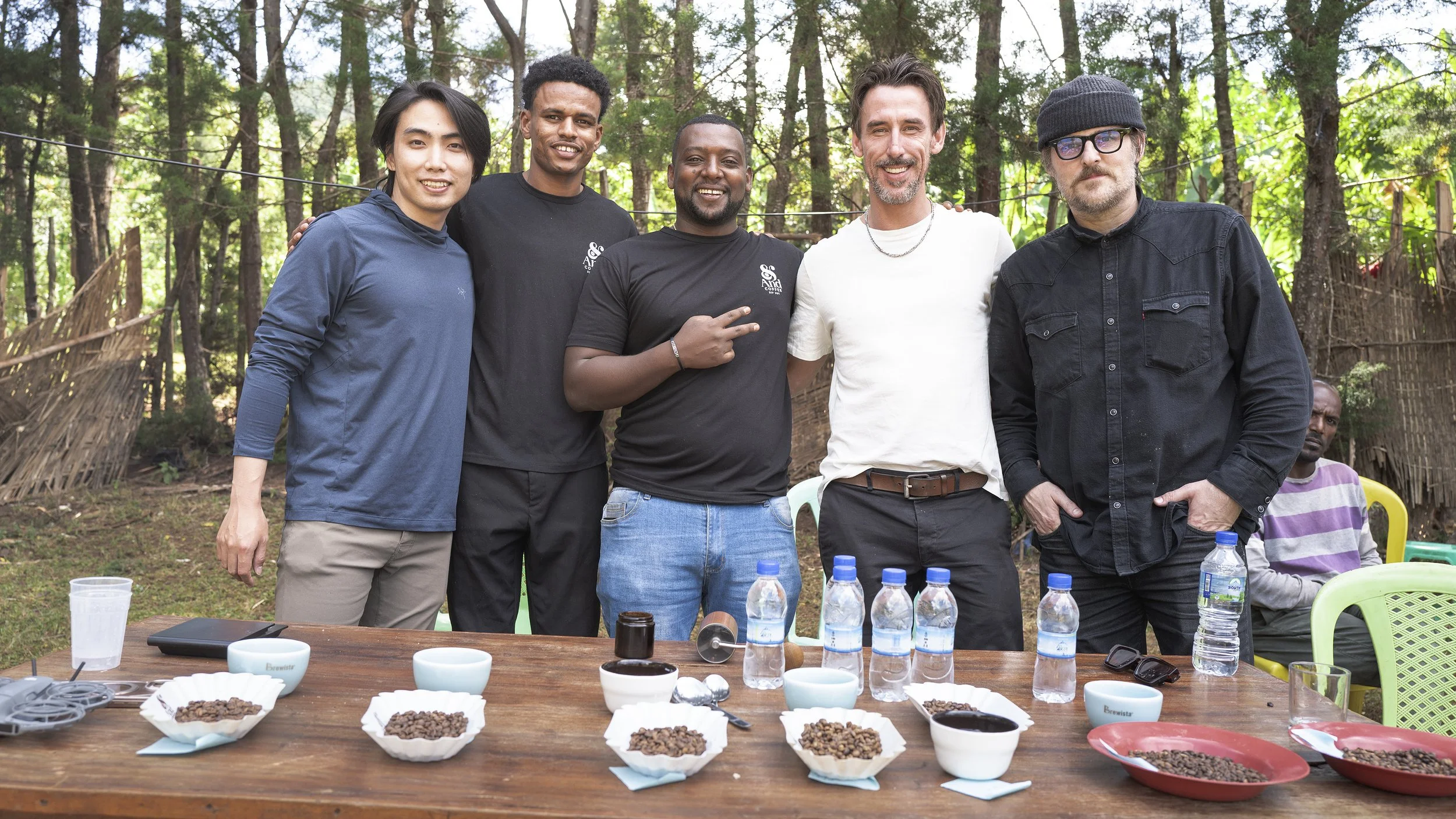
I rounded out the end of the year with a trip to Ethiopia with the importer Moii Coffee and Travas from Modcup. This will be covered in-depth in its own, lengthy blog post. It’s not my first origin trip, but it was still eye-opening, wondrous, and in some ways, heartbreaking. It’s a place that really makes you think, and easily a trip of a lifetime.
2026 Outlook
I find myself increasingly annoyed at myself for repeating things both in online and in person, signaling to me that I should spend more time writing them out here.
Some topics you can expect to see covered:
How to accelerate coffee learning by treating it as a hobby
Home roasting: who should/n’t, and a separating the principles of heat application and applying them to the physics of a given machine
Water - I’d put out out an intro, but there’s clearly much more work to be done
The limitations of being a solo coffee enthusiast, and how to build coffee communities
Crystal-ball projections for 2026
For industry
New, funny terminology will continue to come out and confuse buyers
Different forms of power consolidation will occur upstream in the coffee supply chain (among those who can afford to do so) to defend quality branding and demand higher prices amidst uncertainty from how coffee quality language has shifted this past year. This may take the form of auctions for specific farms or regions, localized collectives of producers
Best of Panama lots will fetch an even higher price this year
Peru will continue to gain traction for exciting offerings, but needs a couple notable champions to anchor its presence like sidra and typica mejorado did for Ecuador
Some celebrity farms will drop off in quality and fade into obscurity as the name itself no longer carries its weight in quality
Familiar processes in unfamiliar places. For example, coferments from Ethiopia, dark-room drying in Ecuador, yeast fermentation in Kenya, river flow fermentation in Costa Rica
For coffee enthusiasts
Gear hype marketing that promises unique, novel innovation will calm down a little bit. We’ll get refined versions of existing designs and improved usability
Traditional espresso and big machine ownership will continue to decline in popularity among enthusiast groups
We’ll have more tools to collect more data an draw immature/incomplete conclusions that need to get dispelled
“Good” coffee will get more expensive, not necessarily due to tariff surcharges.
That’s a lot of speculation