
Option-O Lagom P80: The good boy grinder
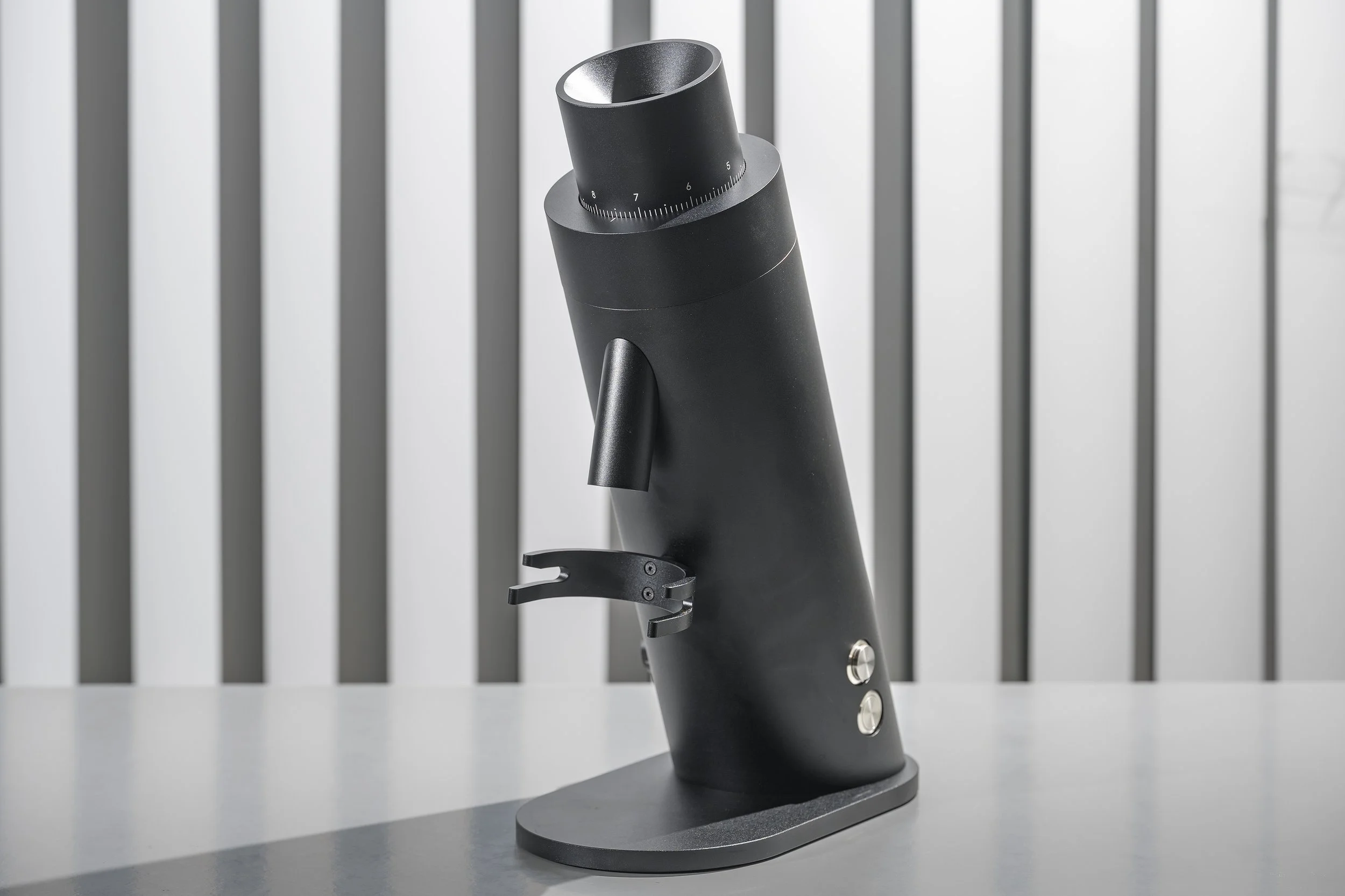
“Are 80mm burrs good?” In 2025, 80mm burrs became the subject of the burr hype cycle. 80mm burrs have always been in our midst: you could shell out for an EG-1, tinker with the WUG2, or live with the shriek of an industrial Bunn or Ditting 804/807. You’ve probably had a cafe espresso ground on a Mahlkonig E80. Option-O, Zerno, and Bookoo joined the fray at a sweet spot, $1-2000 “endgame” grinders focused on quality-of-life and modern features.
The silver unit was sent to me one in October, as seen in the initial impressions stream. In an unusual twist, I’ve spent as much time borrowing Raindrop Coffee’s black unit, as the silver unit has been on rotational loan throughout our Bae Area Coffee group to collect extra opinions. So two units sampled, one supplied by Option-O; interpret the ad-iness of this as you will.
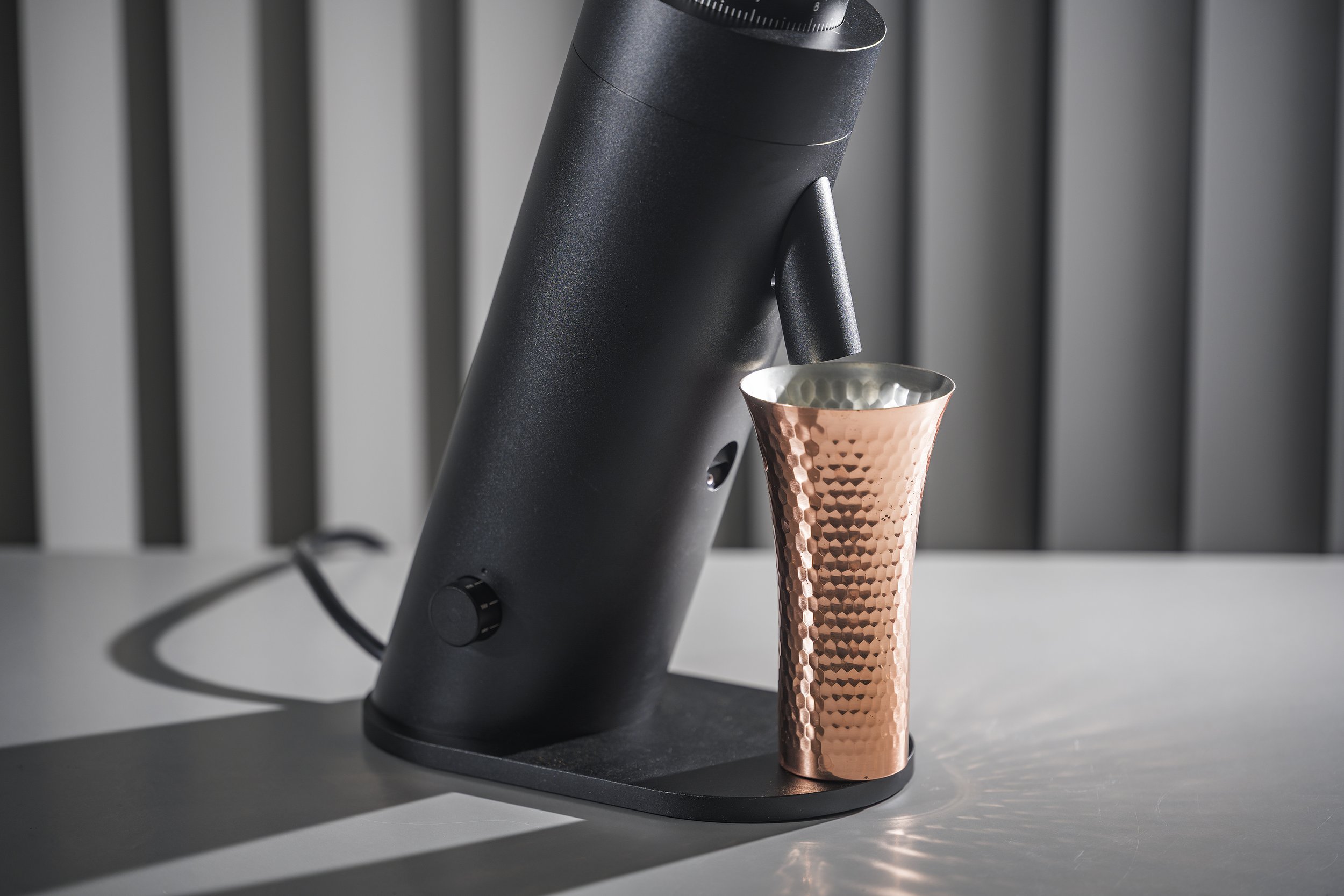
How I actually use the P80
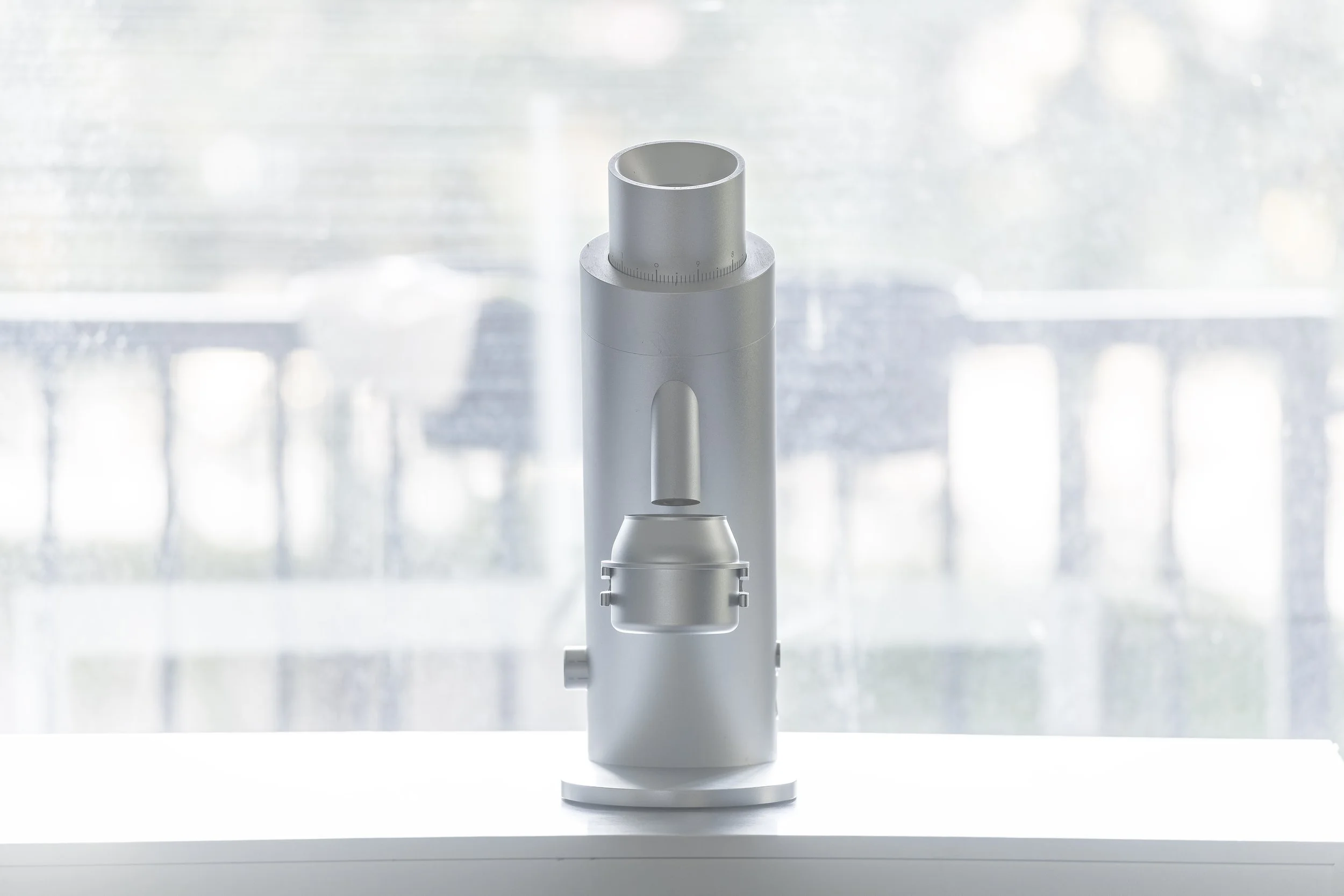
Visually, it’s a P64 but 20% bigger. If you loved the P64, stop reading here and get one. As a testament to the near-congruency, Option-O stealthily displayed a unit in their Melbourne showroom for several weeks before its reveal, with reportedly no visitor observant enough to notice the difference.
The similarity is a good thing. The P64 was de-facto the best 64mm grinder money could buy until the Zerno Z1 came around in 2024 to sit debatably side-by-side at top spot. Folks have strong opinions on the monolithic designs of Option-O’s P100 and 01 grinders. Yet, the sleeker, tilted P64 form factor earns the highest praise from online enthusiasts - “My partner doesn’t hate having it in the kitchen.”
With a footprint of 24×14cm, it’s viable even in smaller counter spaces. The Bookoo Motto, unreleased at the time of this writing, appears smaller, but is considerably deeper at 31cm, but slightly narrower at 12cm. The WUG2 has a similar footprint at ~25×12cm, but the monolithic design and considerable weight over the others (~35lb) makes it feel like a significantly chunky device.
At a glance, the form and function are mostly consistent to the P64, taking a healthy dose of “don’t fix what’s not broken”. Kicking the tires, there’s nowhere that stands out as “this spot feels cheap and will be the failure point over time”. As you dig in and poke around for differences, a couple things are different to the P64.
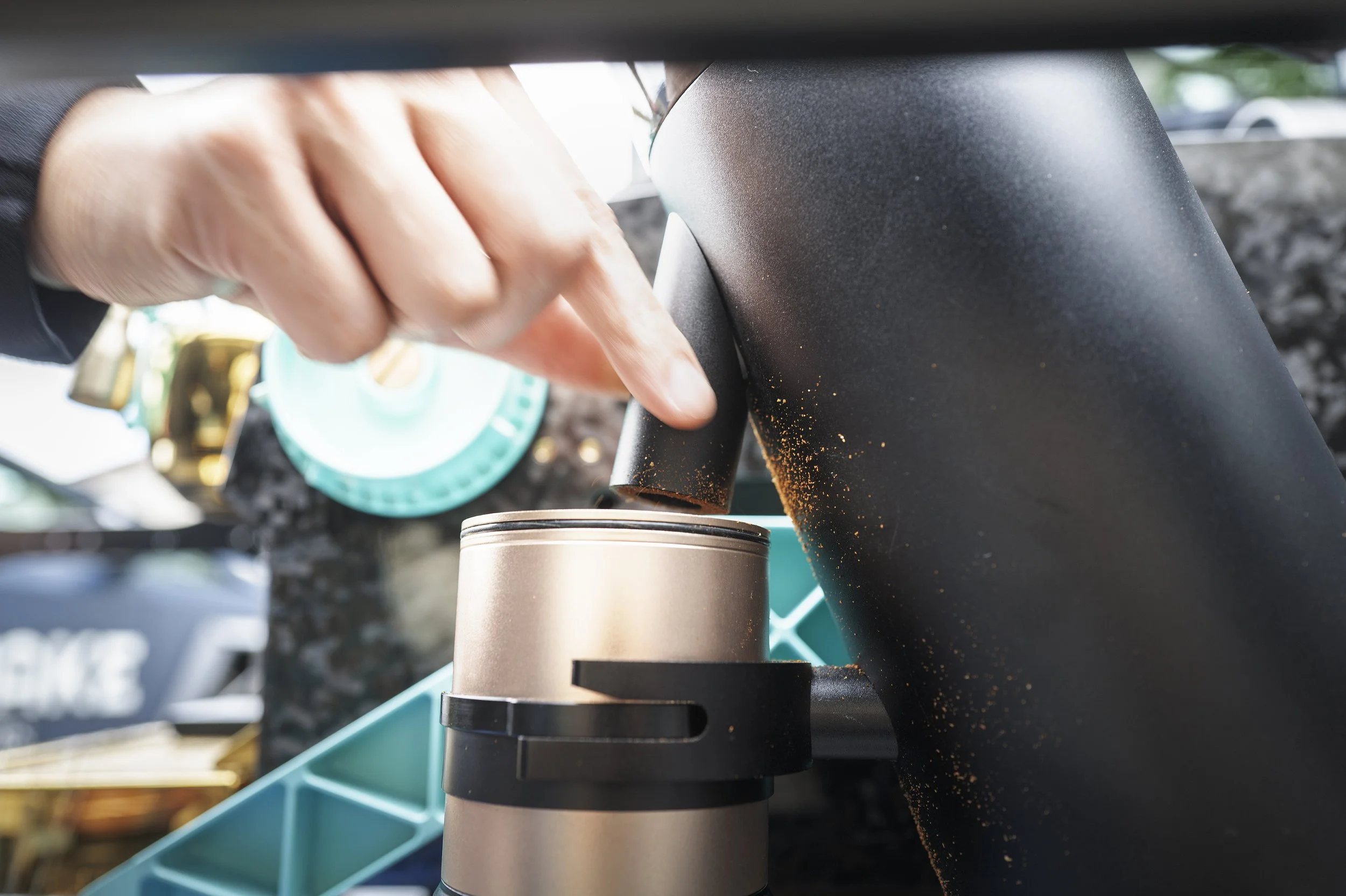
“Wrong”. Not how it’s meant to be used, but how first time users naturally interact with it.
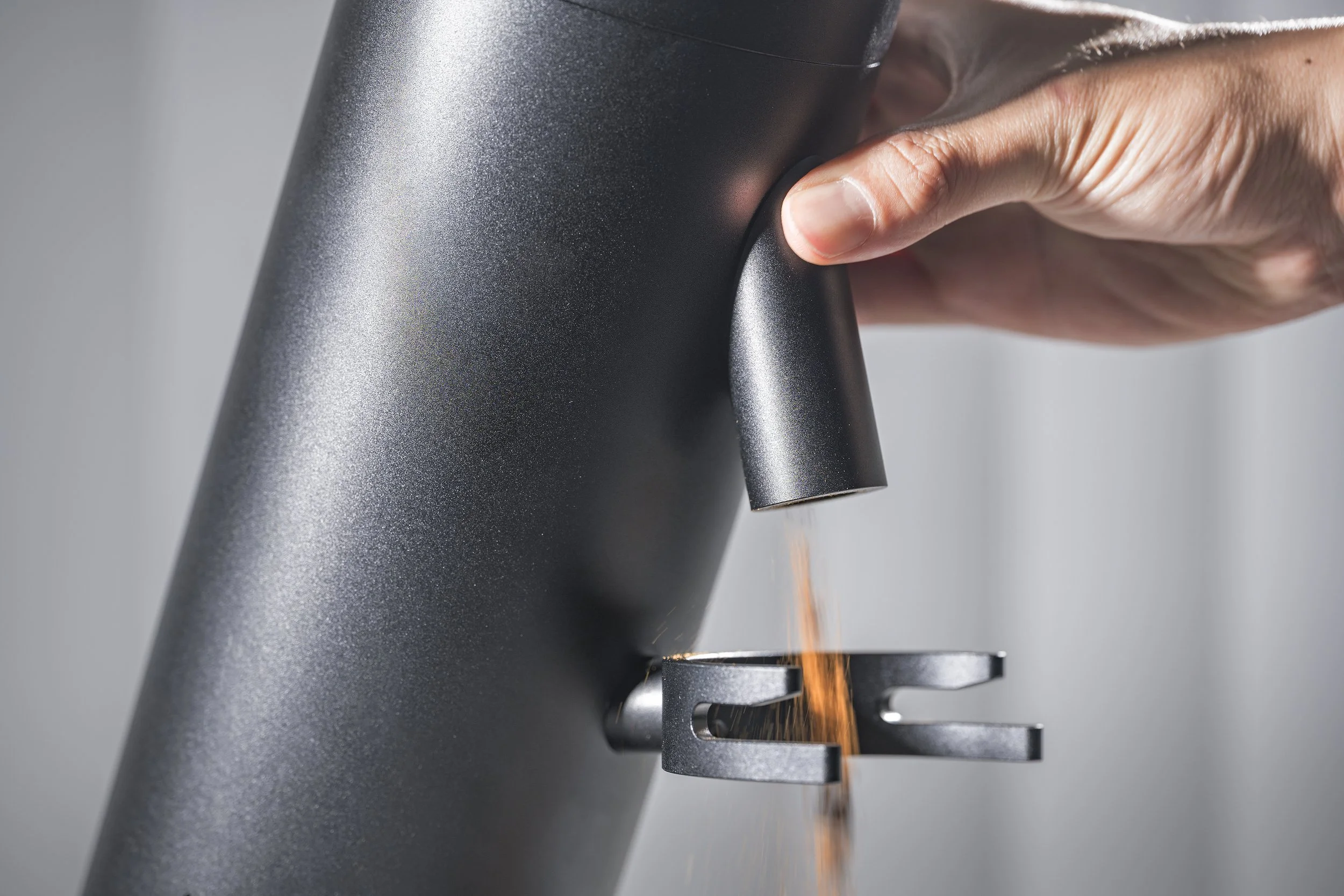
“Right”. You thumb the nose.
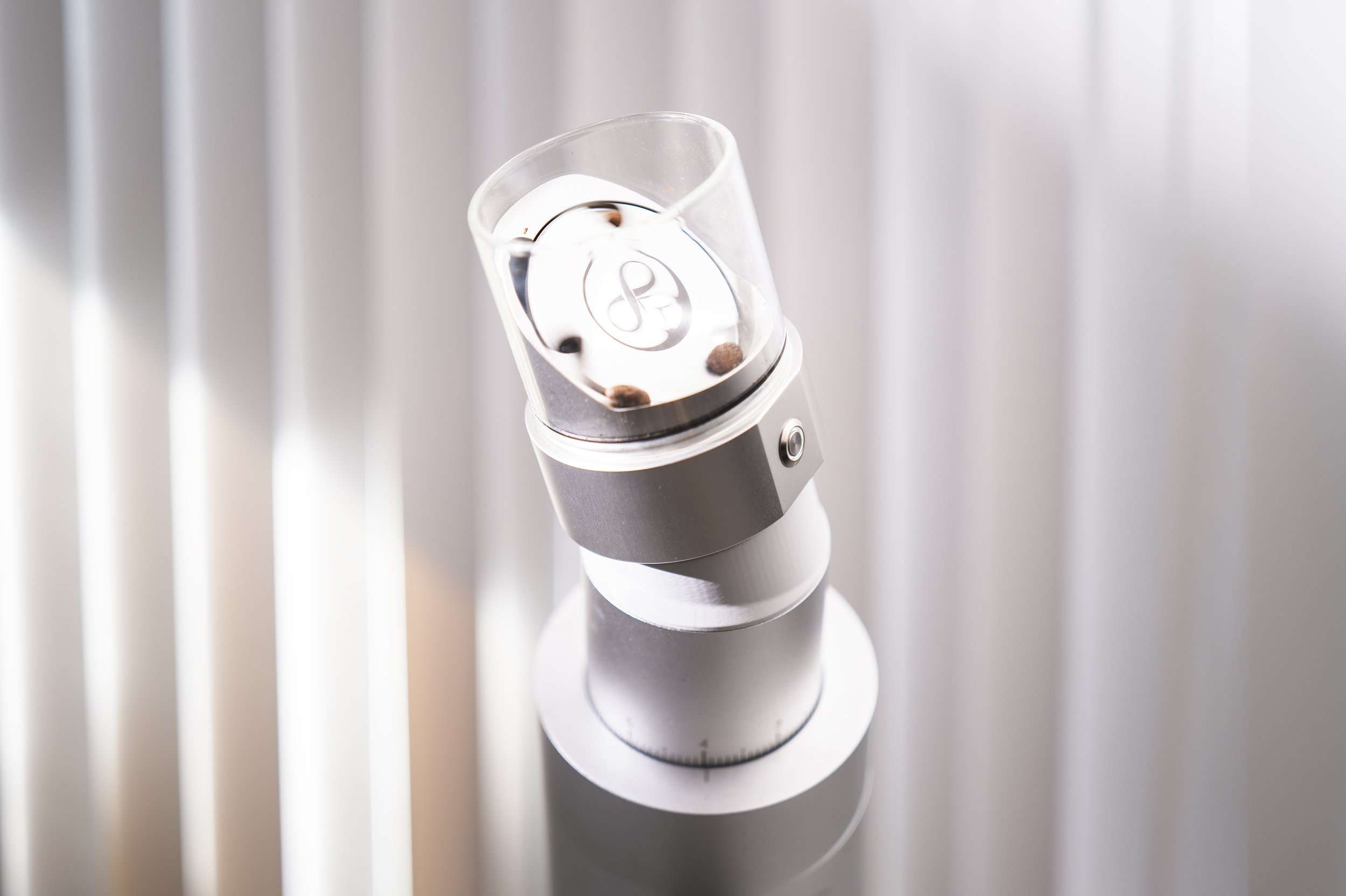
The most obviously different touchpoint is that the exit chute is now a magnetic knocker. Option-O has done extensive R&D iterations on knocker devices since the P64 across the 01, Casa, and 3 variants on the P100. The official usage guide suggests it’s meant to be pressed down with a thumb, but the chute angle is a bit too vertical for that to be obvious. From observing others using it, the ergonomic affordance suggests it’s meant to be pinched and tugged down, like pinching someone’s nose. This is irrelevant to its performance, but the most minor of gaps between the intent of the designer and a user’s intuitive response. Speaking of gaps, compared to the original design in the P64 where the chute protrudes from the chamber, the outer lip of the chute sits on the chamber, creating an ever so sliiight gap. More on this in the teardown.
As is the case with all Option-O grinders, do not knock the grinder while it’s running. Doing so while grinds are moving exposes more surfaces in the chute to gunk up, shortening the time until you need to disassemble and clean out the unit (2-3min job) to keep the magnetic clicking power.
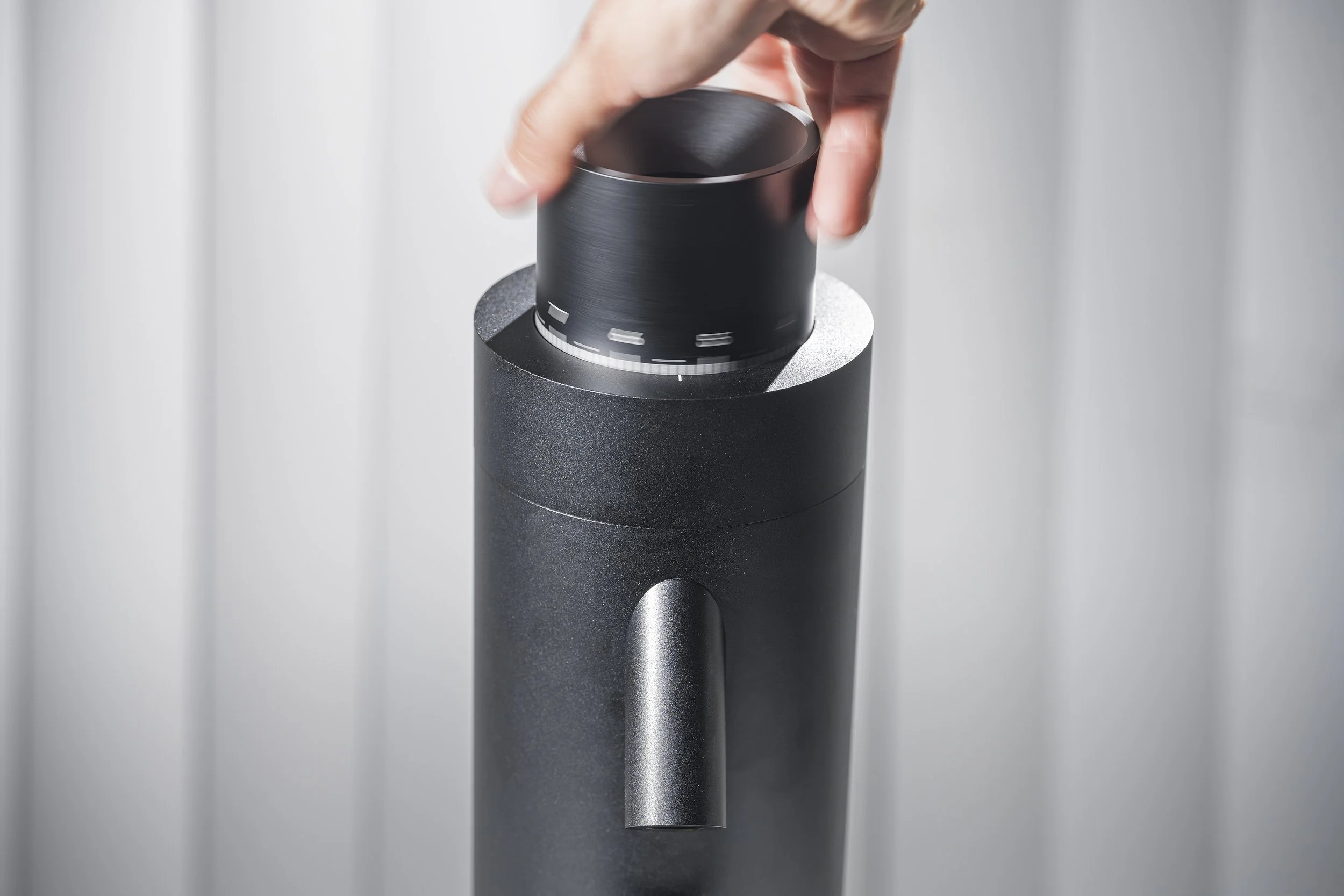
Loose, or gliding?
The grind dial is straightforward - turn the numbered chute to the centered indicator, big number = coarser. In Option-O’s history, the P100 was an outlier in this approach, but with it being outmoded by the Lagom 01, the current lineup all has this same interaction. The resistance of the dial out of the box is on the looser side compared to other grinders, especially anything else from Option-O. It’s easy enough to rotate with one hand while you hold a dosed tray of beans in the other, but not loose to give concern that it’ll drift mid-grind. There feels to be some lash in the system, which could freak out users prioritizing traditional espresso and concerned about exact microns for that 9-bar, 30sec shot to feel that the cup is ‘right’. Combined with the espresso range being so close to 0 (0.3-0.6 to my unit, do not assume those numbers for your system), the stock Mizen burr is not designed with traditional espresso range as a top priority.
Out of the box, you can assume that the underlying assembly is set so burr chirp is at or near the 0 point, where it bottoms out as a safety mechanism. There is an internal stopper preventing you from going finer or coarser past 0 to avoid the “which macro rotation am I on?” confusion, which can be easily overridden by unscrewing the stopper in the upper retaining ring.
Rejoice - each micro tick is 10µm burr gap. Not 7.5, not 12.5, an easy 10. An underappreciated usability update.
Reminder - burr gap ≠ particle size
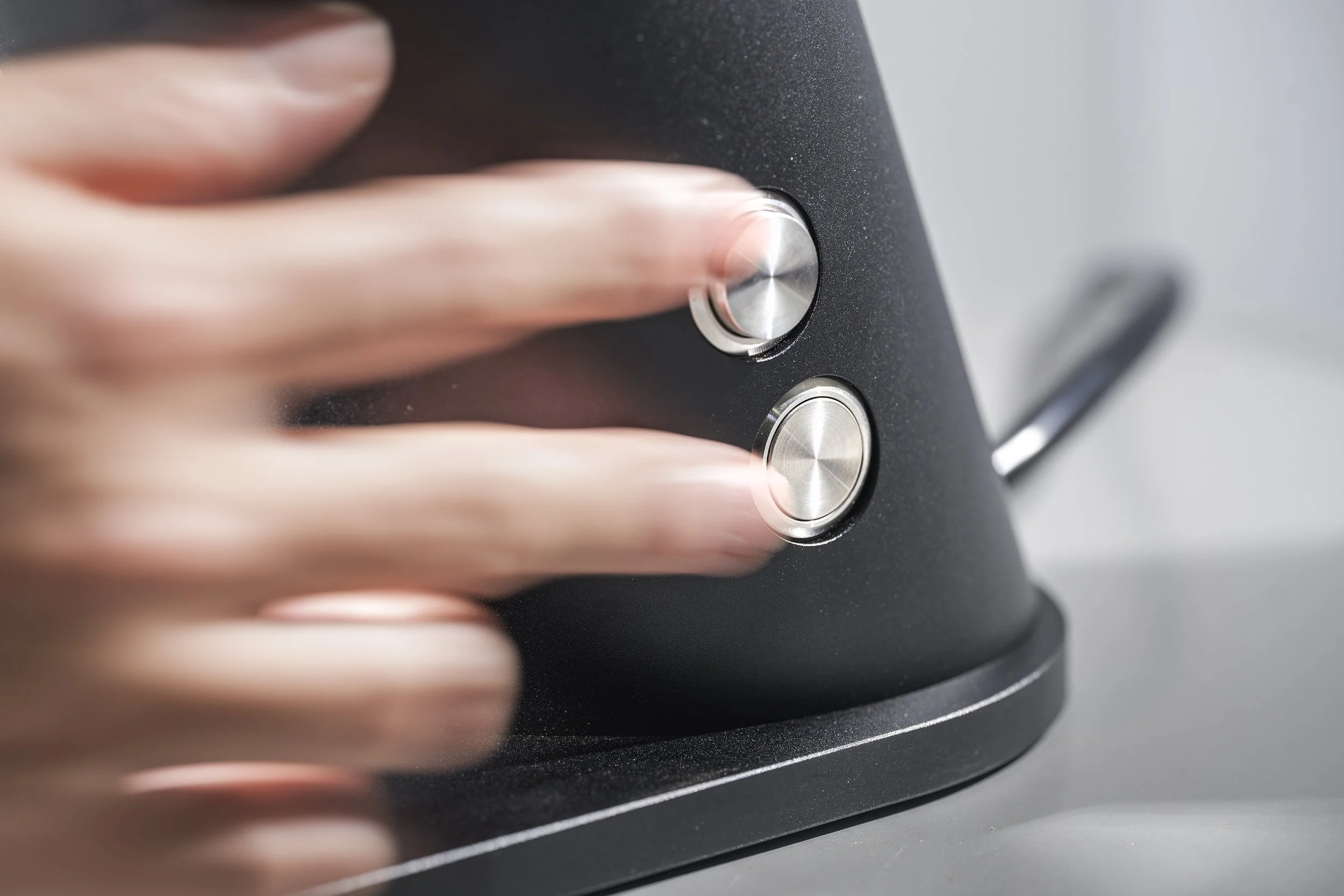
Top for single push run+auto-purge, bottom for on/off toggle
Like every Option-O grinder, the buttons are on the right. If you’re left handed or don’t have the counter space to comfortably thread your hand between objects to access the buttons, this is the a consistent frustration as anything else from Option-O. The buttons and tactility are consistent to its siblings - the slightly protruding one at the top turns on the unit with auto-purge kicking in 5 seconds after not detecting load; it’s one press with auto-off. Press it twice quickly to directly access purge mode, or hold it down for 10sec to recalibrate the auto-purge timing and torque sensor. The bottom button is a traditional on/off with a pressed-in state. Having buttons on the side serves the minimal visual language and avoids the awkward design decision of pinning-the-tail-on-the-donkey somewhere poorly considered, like on the DF64. The trade off is that first-time users tend to not intuit the location, let alone comprehend the difference between the two buttons. Not intuitive or discoverable to a day-1 user, but obvious once explained. There’s no consequences for not knowing/forgetting which is which, but you’d only know, when you know.
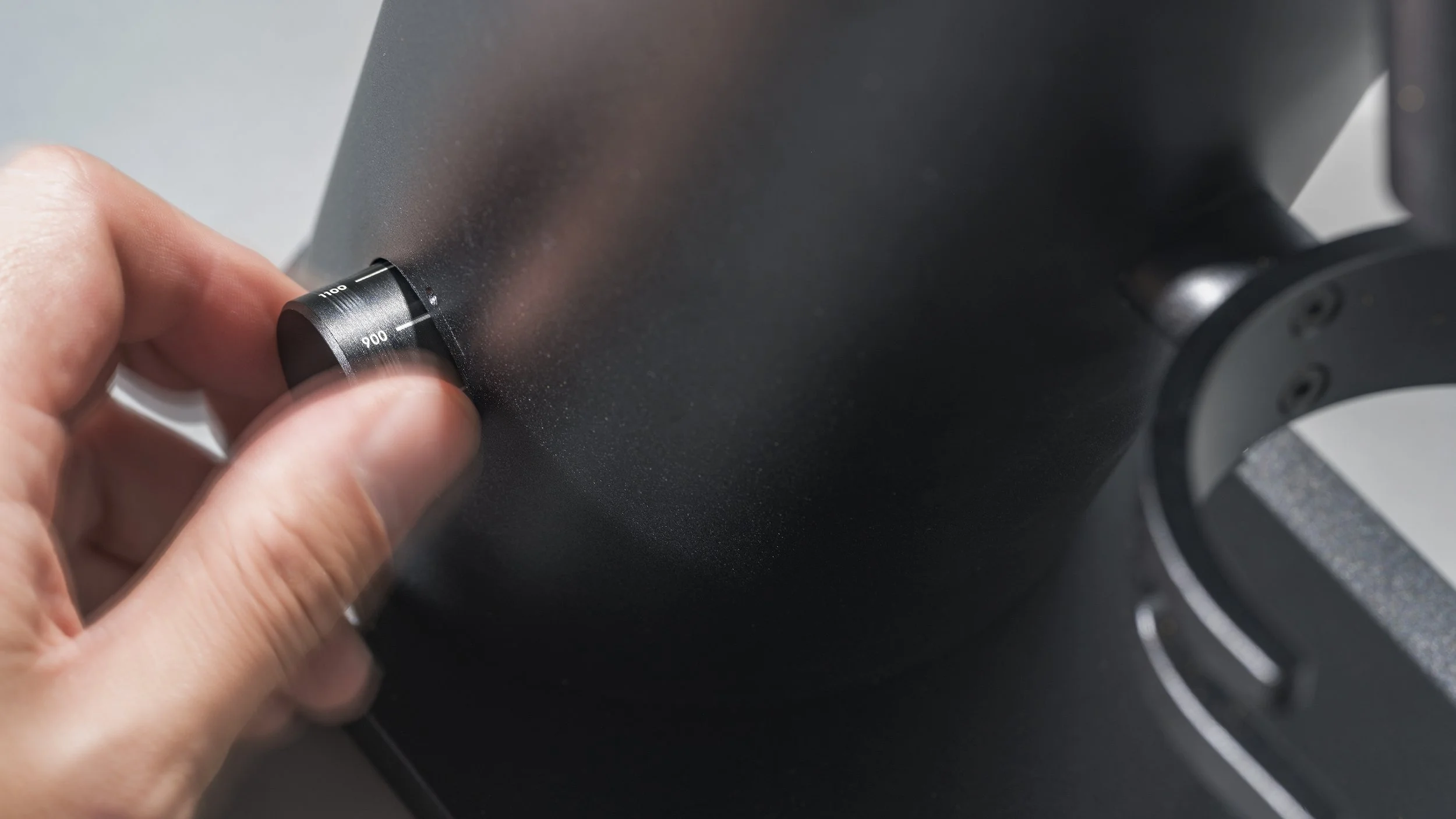
Good clicks
On the left hand side is the RPM dial, which should see less than 1% usage compared to the power buttons (unless you are an overcurious soul). As I complained about in the P100 review (and shared with the Lagom 01), the 1-9 numbering on the dial maps to RPM nonlinearly, so every few months I’d have to check the manual to verify that 3 = 580RPM, or 9 = 1800RPM for those occasional moments I want to RPM-match the EK43’s RPM for some silly experiment.
On the P80, they’ve solved it. The dial is numbered to the actual RPM, and the typography is downsized to minimize visually distraction while remaining legible, even on the silver model. Bonus points here - it’s the first in the Lagom family to have a clicked dial, with a tactility that makes you go “oh, that’s a good click”. A couple owners mentioned the numbers didn’t perfectly line up with the indicator out of the box - this can be remedied by loosening the screw and re-zeroing; a ~30sec operation.
Here’s one of two red flags for prospective buyers - the lowest marked 300RPM can stall. Especially if cold starting. If it does, the unit cuts out and attempts to overcome on its own. Option-O acknowledges this and notes in the manual its purpose is to test for burr chirp. But this brings up a philosophical debate, “if it’s there, why can’t I use it?” Put another way, stalling at its weakest setting suggests an underpowered motor; a similar criticism on the EG-1. If labeled something else like “LOW” or better yet, “TEST”, there’d be an implicit understanding that it’s a special case setting, like the high RPM for purging.
I believe that burrs geometries are designed to a certain range of RPMs, and do not believe that slowing down any given burr automatically improves it, whether by fines, particle distribution, or however improvement is rationalized. And so, I’m not tempted to take the RPM as low as possible, and the risk of stalling doesn’t occur in my usage. If you want it to be an issue, you can easily access the settings to regularly stall it and mark the grinder as fatally flawed.
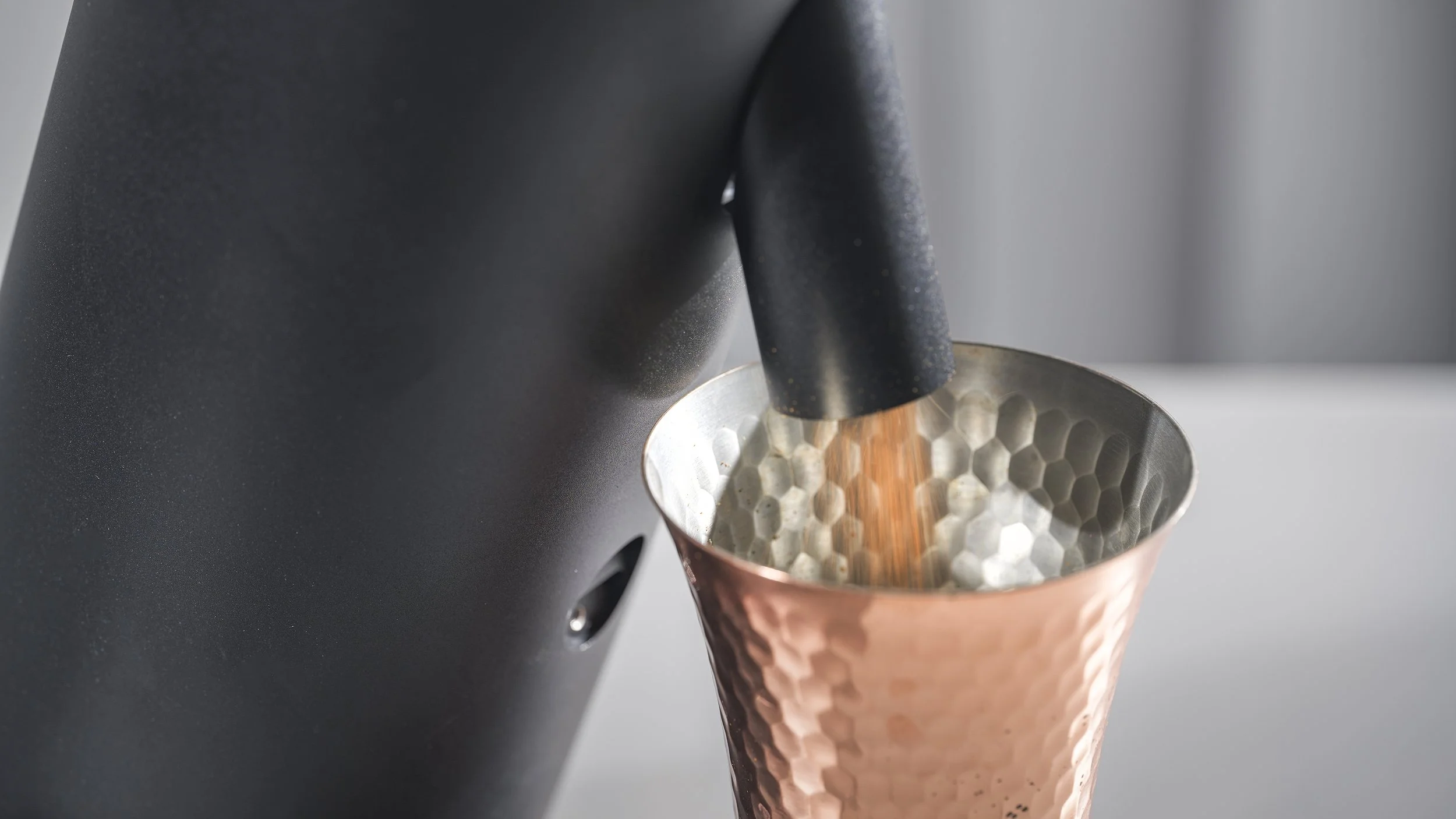
I’ve ended up at 1300-1500RPM. I tried the range, found what I liked, and don’t touch it often
On the uncertain subject of RPMs, inconsistent things happen across the RPM range. The following is about burrs in general: we cannot say that a (theoretically) unimodal burr behaves the same across the RPM range. A chart showing an amazing primary peak at 500RPM might be terrible at 1800RPM, or vice versa, and particle sizes change for the same burr gap at different speeds to add further complexity. The particle shape also changes across the burr gap range, espresso range might have a tight peak, but it may flatten out at pourover settings. As always, I suggest brewing plenty of practice cups and finding the tasty setting, not selecting by drawdown time or by how clean the filter bed looks. Eyes are a bad way to gauge fines, fines are not one thing, and fines don’t tell you about the primary peak. Since RPM does have some amount of effect, I personally do not use the auto-purge mode as I’d expect those grounds to be varied to the majority of the dose, especially if starting out at a lower RPM (and therefore a higher delta). At the middle to higher RPMs I use, I don’t find the system has problems with getting grinds out, so I don’t feel the need for the high RPM purge. Residual finer grounds get retained within the knocker chute but has no problem coming out on knocking, which I separate into a spare catch cup; a fines separator, if you will.

“Wrong”. You don’t slide in the catch cup.

“Right”. You thread the catch cup and place it on the forks.
Out of the box it comes with portafilter hooks consistent to the P64 and P100, and consistently something I don’t enjoy using since direct dosing into a portafilter is not my priority. It comes with a dosing ring funnel as well, which works for 58mm portafilters, but not something I’ll be using. The included catch cup is shorter than before and a cuter shape, but still a dense object that you would not want to have falling off the forks and denting the metal foot. The interaction between the cup and forks remains unintuitive: you’d think the cup sits in the forks, but is meant to sit on top of them. I unscrewed the forks and use a beer cup (anything tall under 15cm works) for dosing both pourover and espresso, as the tall height lets me shake the grounds vigorously without the step of placing/removing a lid like on a shorter blind shaker. Not a necessary enhancement, but learned and preferred habit from running Option-O grinders for years.
Slowfeeder attachments will balance poorly if you change grind size often
An anti-popcorning plate in the upper chamber prevents semi-grounds from shooting back up. But to use aftermarket accessories like the Cremaloop slow feeder, you’d need to open up the unit and unscrew the plate to seat the 3D printed adapter. Because the chute is tilted forward, the printed adapter also has to be rotated with the grind setting, increasingly annoying if you often go back and forth between espresso and filter sizes, and scarier if you have the premium glass/metal Cremaloop.
Unlike the P100 with its gigantic pool of an upper chamber, the P80’s narrower chute means less open space for fragments to jump around, which is in theory a tiny fraction better. Perhaps 60g would fit in the upper chamber (jellybeans-in-jar estimate, not measured), but I would not consider the design optimized for cold starting with such a large batch.
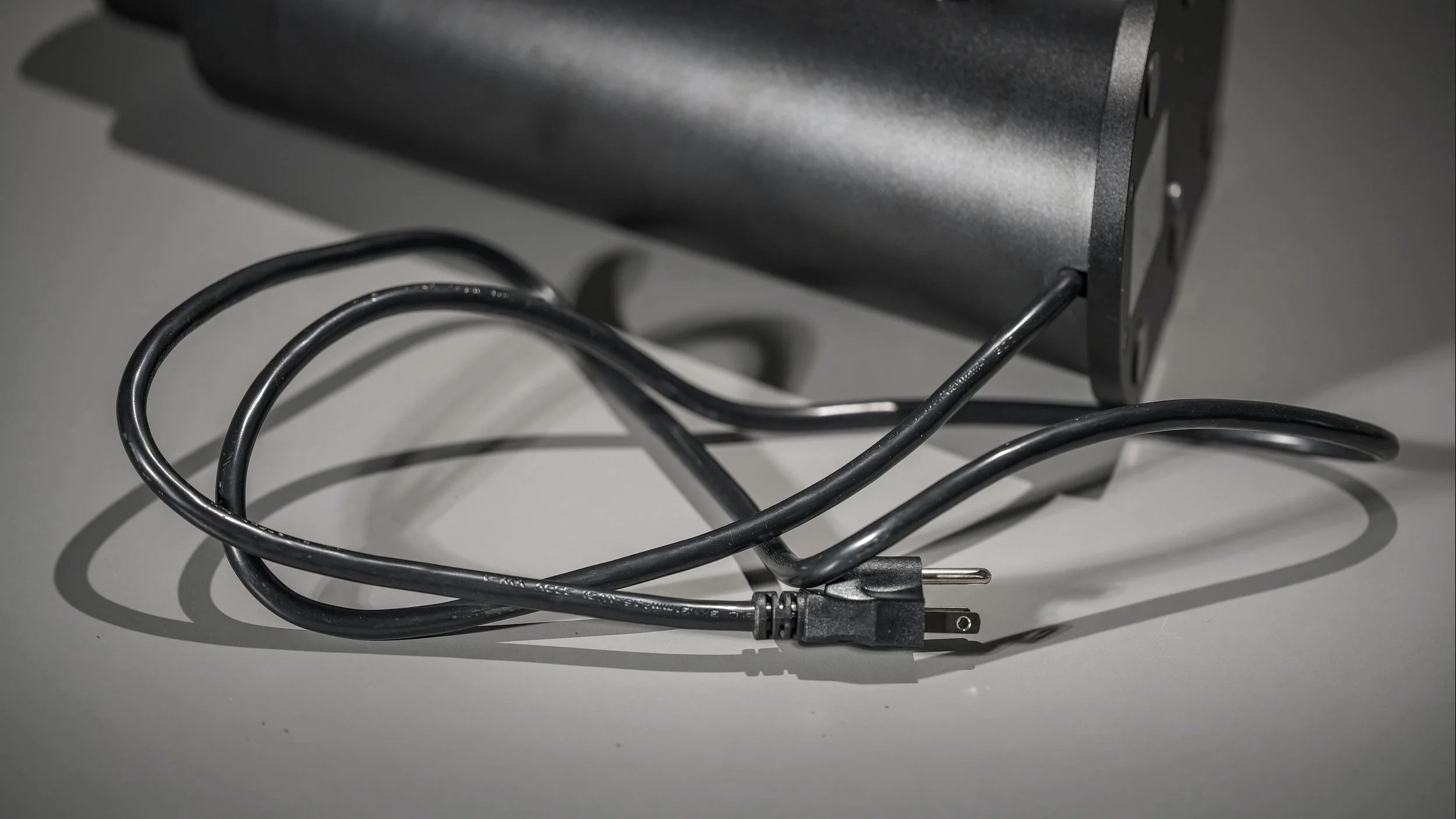
A fixed cable feels like one of the first points of failure
Personally, my preference always goes to the C13 plug that lets you bring your own cable to customize the cord length, rather than being too long for some and not long enough for others. Because the cable in the P80 is fixed and the cable feels like part of the overall devices lifespan, it feels worse when accidentally putting down the grinder on its own cable. Oh well.
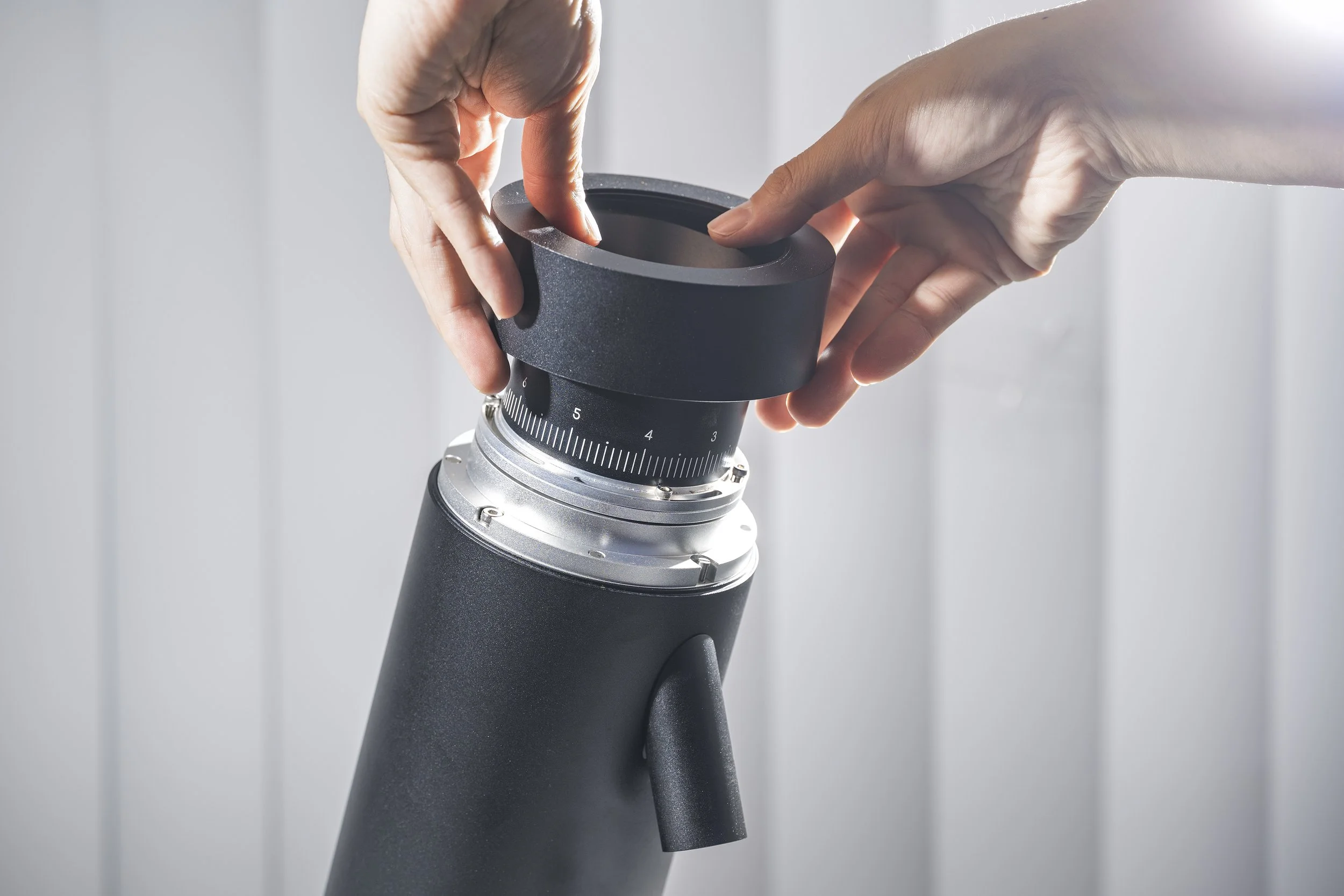
Lift calmly and carefully
To take apart the grinder, you’ll carefully pull the magnetically-held upper ring past the grind chute without scratching either side. This is nerve wracking more for the black units, but for most users not something I’d expect to be done more than once a month on the high end. Once inside, you’ll find a series of screws and plates for the upper burr assembly. While complex at first glance, the assembly is straightforward and forgiving enough that it shouldn’t be difficult to reassemble.
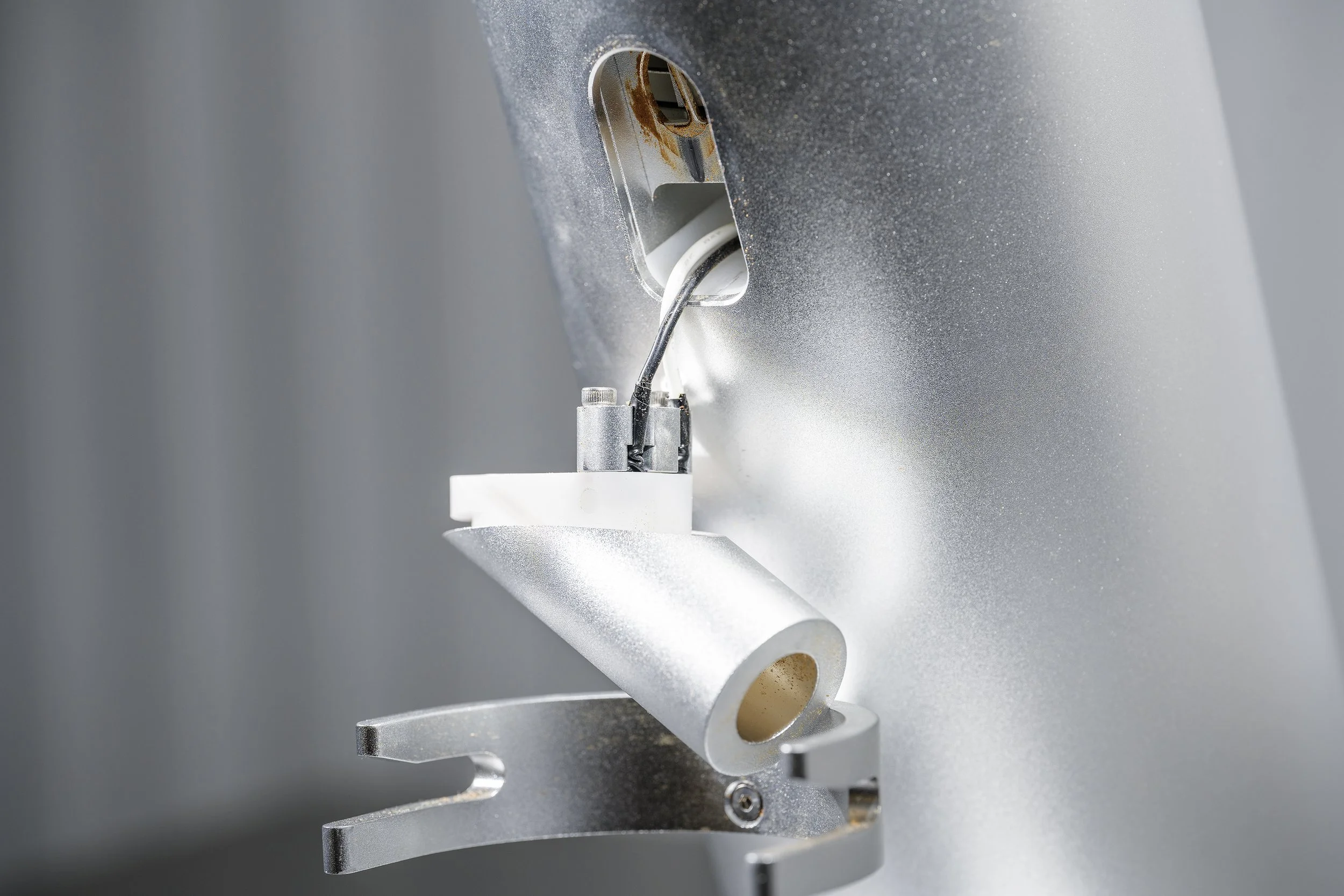
Not fully tool-less, but a flathead screw away
At the 6 o’clock position is a tall pin screw that retains the knocker. Removed with a flathead, wiggling out the knocker chute reveals the technical enhancements over the P64. A plastic structure holds two probes for the deionizer and prevents contact to the overall metal frame, secondarily resulting in some slack in fitment that creates a visual gap to the main chamber - not a con, but something to keep in mind as you reassemble it. Better than more metal-metal scraping.
Among P64 revisions, the second among three I’m aware of was praised for its tool-less disassembly. While nice in concept and not something I had the luxury of experiencing myself, I didn’t find the clever design to be a make-or-break point. I’d hope not to need to disassemble the grinder at such a regular rate that I’m getting significant time savings from a tool-less design. I’d much rather have a logical assembly with tools than possible tradeoffs in assembly or performance to satisfy the tool-less label. At some point, I will need tools for something more involved like a burr swap, and at that point the tool-less portion of the build fades away from memory; it’s as good as the first task I do need a tool for. The P80 does have a lot of screws, but I never felt like I needed a manual to make sense of how to take it apart and put it back together.
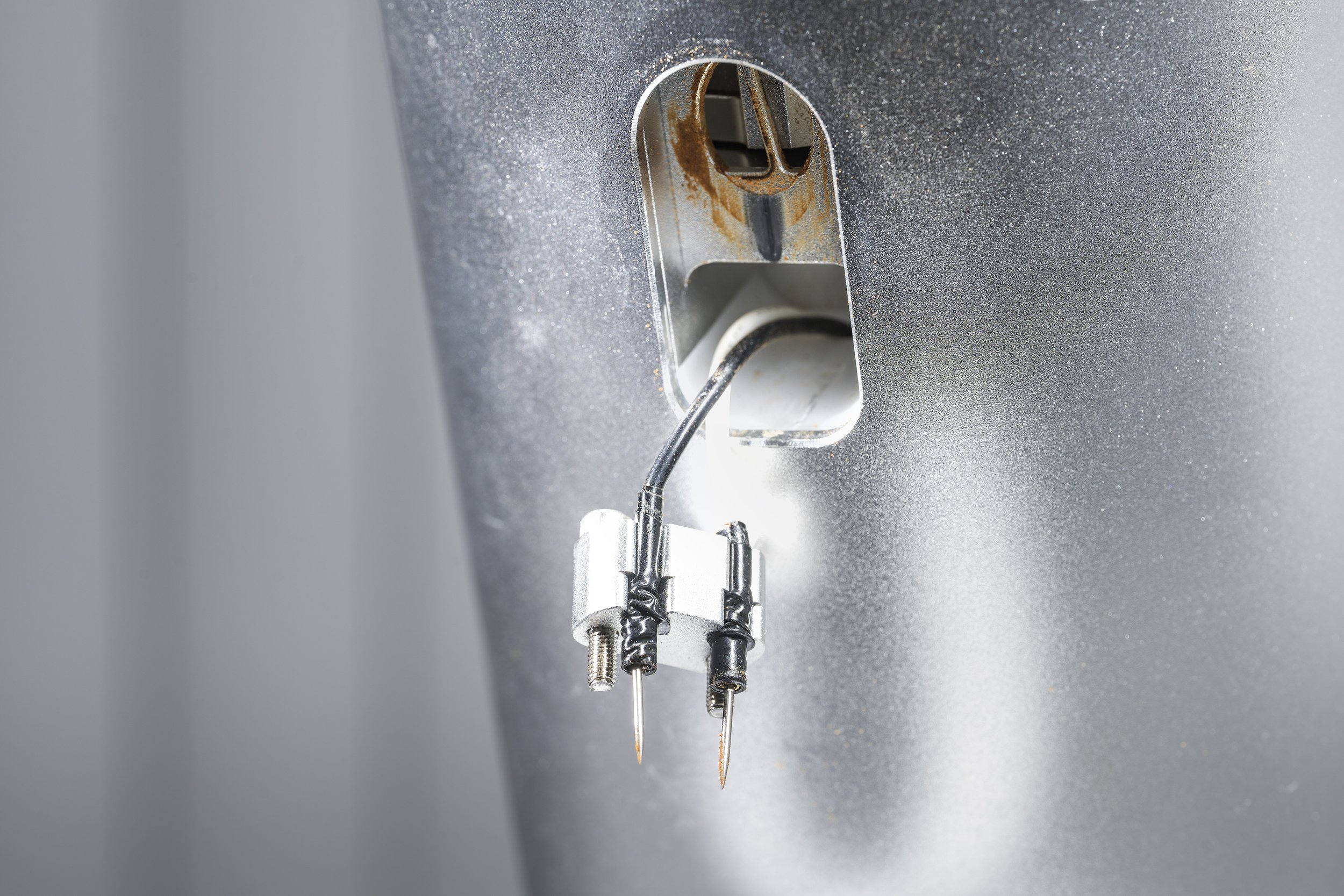
Deionizer probes sit in a holder, screwed into the knocker chute; easy.
When we first livestreamed the P80 on the day it arrived, it exhibited a pulsing, humming noise. The ground probe needed to be reseated. With a wrap of electric tape and < 5min later, I was back in action. Pessimistically, it’s a shame this wasn’t addressed from the factory, but I’m relieved it took no technical know-how, shipping, or extra parts; about as easy as a fix gets.
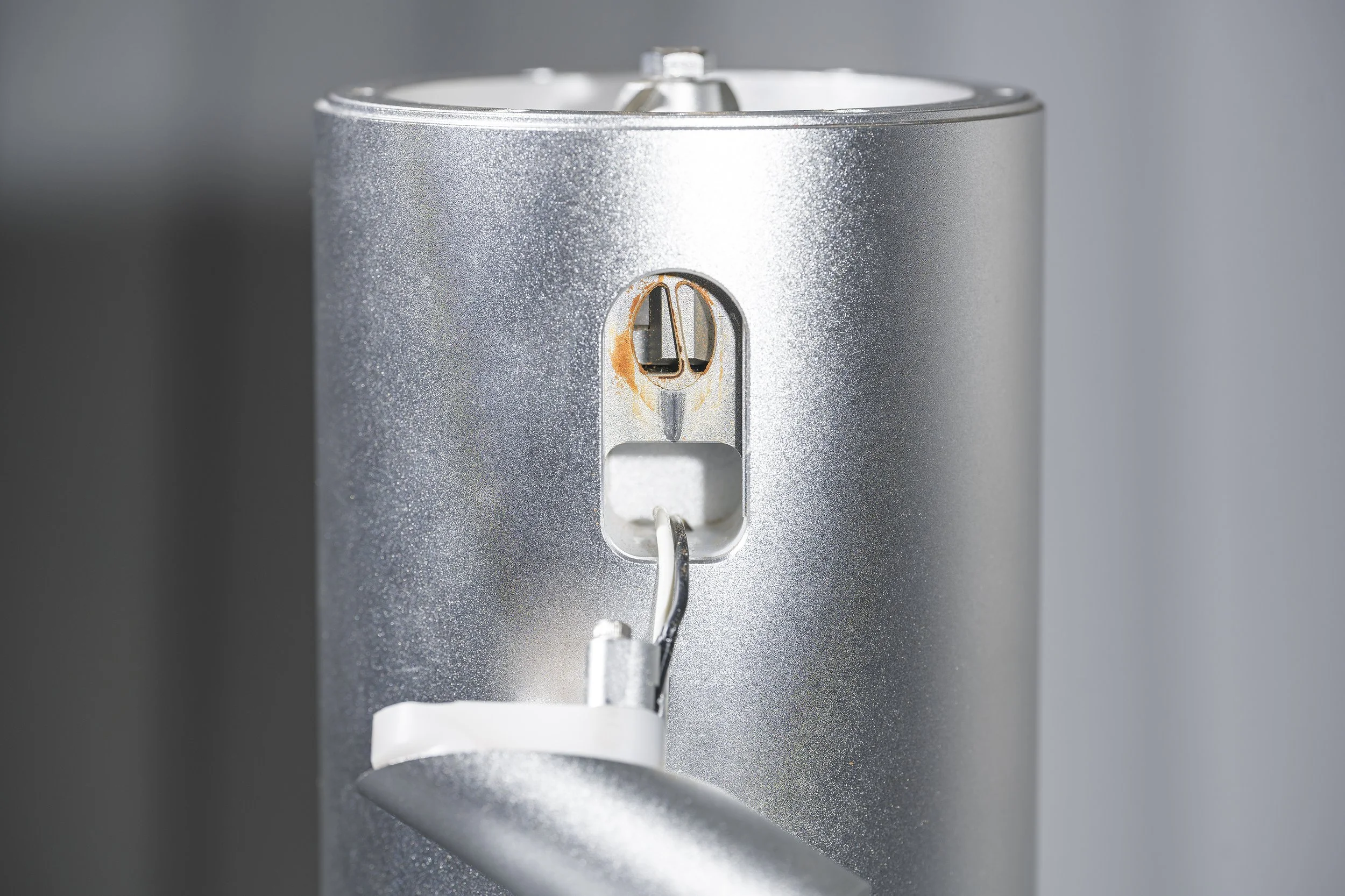
The declumping “nostril", evolved
In every grinder system I stare at, I’m speculating on where there’s inefficiencies (theorized, not measured). Across Option-O grinders, my common observation is that the exit chutes are too narrow. Again, speculated, not substantiated. Other grinder manufacturers are subject to this opinion as well. Within the vertical vs. horizontal burr debate, vertically mounted burrs tend to have a larger aperture for grinds to fall through, assisted by gravity, without relying entirely on the wipers. I don’t necessarily believe vertically mounted burrs are better since they introduce different design problems and tradeoffs. In a horizontally mounted system, each pass of the wiper needs to move the collected grounds past the burr through that ⅓ or ¼ rotation through the exit hole, or you end up with clearance debt that results in a grounds “traffic jam” with a larger dose. I’ve mutilated multiple P100 clickers to open up the exit chute and feel it was a worthwhile effort, but the stock “nostril” declumper on the P100 was far too thick. The P80’s declumper bar has been thinned and is angled for the rotational direction of the burr, but perhaps something that could be removed entirely. One day I may take a hand file to knock out the bar, but for now, I’m content and appreciate the revision.
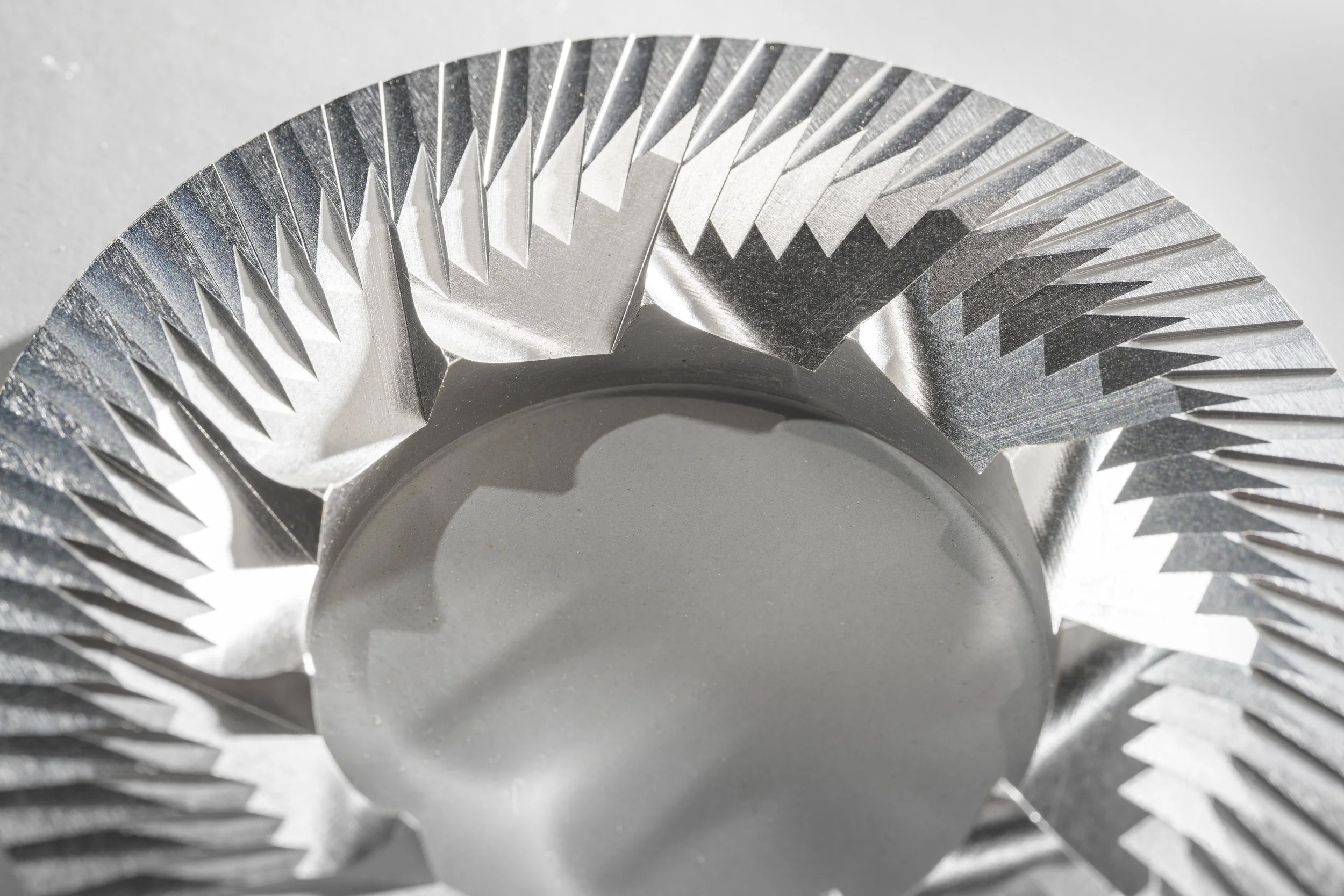
The inner teeth are the P80’s PCS. Not very “Pre”, since it’s on the burr
Option-O’s “PCS” (Preliminary-Crushing System) technology is inconsistent across the grinders it’s featured in. The fundamental concept is that some pre-crushing occurs to lighten the load on the burrs to reduce heat generation and ideally, design a burr geometry that can reserve surface area for later finishing stages. In the Lagom 01, the center piece crushes. On the P80, Option-O says PCS is in the prebreakers on the inside of the burrs; a bit of a head scratcher. So the stock Mizen 80OM burr contains the PCS? Not so Preliminary, then. The center cone piece that looks like what you’d expect the PCS to be, more of a lateral deflector to swat away beans and delay some amount of the incoming dose from reaching the burrs. We’ve seen this approach elsewhere, like the cable ties (now metal) along the EG-1’s spinning shaft. Its ability to thwack away beans is going to be RPM dependent, and therefore less effective at lower RPMs where more beans would fall straight through, as well as cold starts where much of the dose is past the system. Because the center deflector increases surface area for the motor to initially overcome, cold starting with beans predosed would need higher RPMs.
Reportedly, Option-O is working on an update to this center deflector and re-evaluating what PCS means. This page will be updated once that information is available.
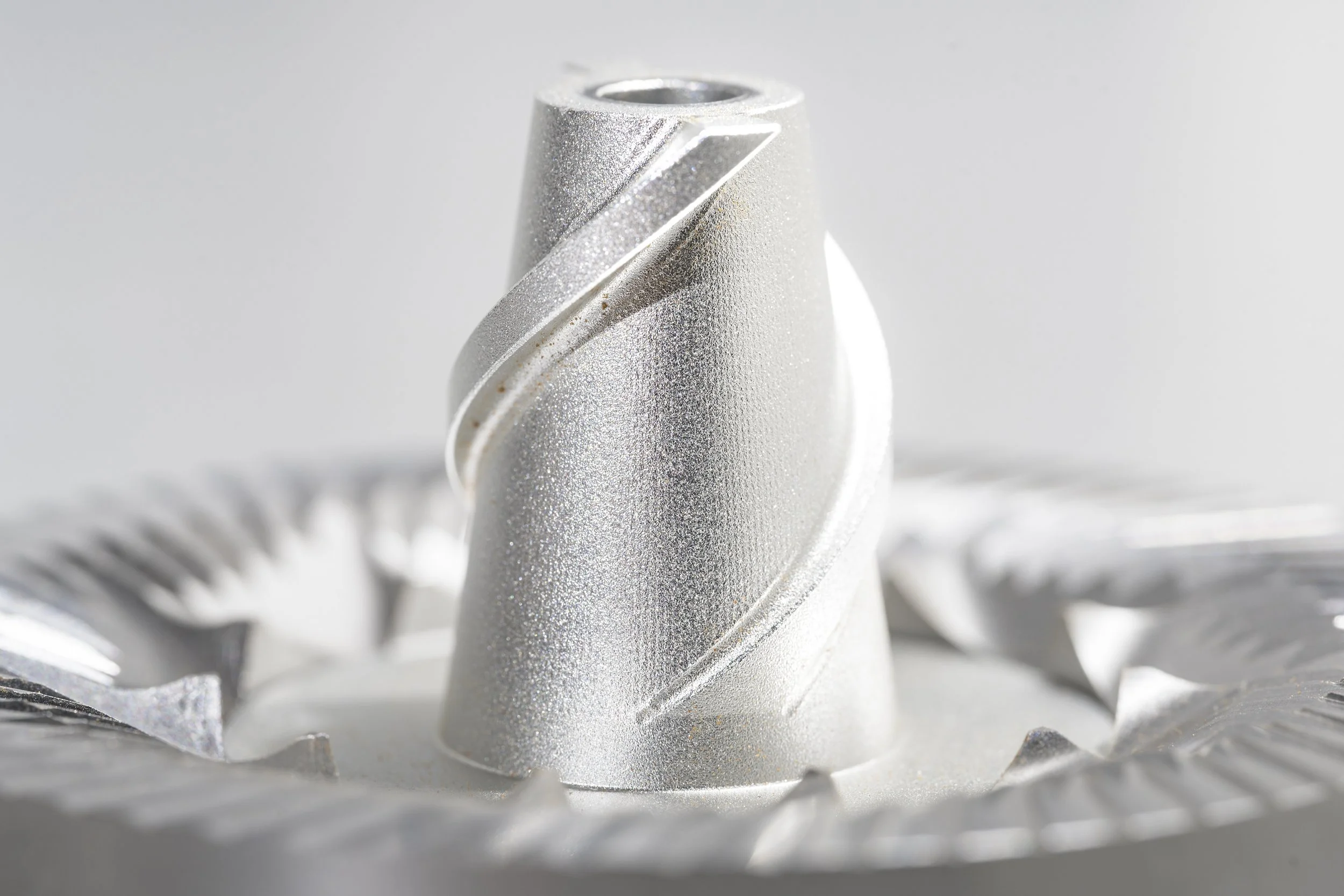
Confusingly, this is not the PCS. I’ll refer to it as the deflector.
The center deflector can be removed by unscrewing the top bolt, though I see no reason to remove the deflector if it fits the inner diameter of the burr, which may matter depending on the 0.0x mm spec of the burr you want to use. You could run without the center deflector, but the dead space would pool up grounds and you’d want to swap in a much shorter bolt. Realistically, it’s a headache if the center deflector doesn’t match your burr. The Mizen 80OMs it ships with obviously fit the inner diameter, but it can’t be assumed that all 80mm spec burrs will. And that’s the other red flag for prospective P80 owners - despite the assumption that all grinder housings are equally specced as platforms for all burrs of the specified size, this is not always true in practice. Some 80mm burrs may not fit in the P80. Option-O measured some aftermarket burrs like some SSP models and produced remarkably precise parts for their stock system, but that lack of wiggle room prevents some burrs from fitting within the overly precise 79.98mm diameter. Ditting special steel burrs didn’t fit, as well as preview Bookoo filter burrs due to being based on the slightly larger Ditting spec. I’d especially expect problems with the Ditting Lab Sweets due to the tolerances in the casting process.
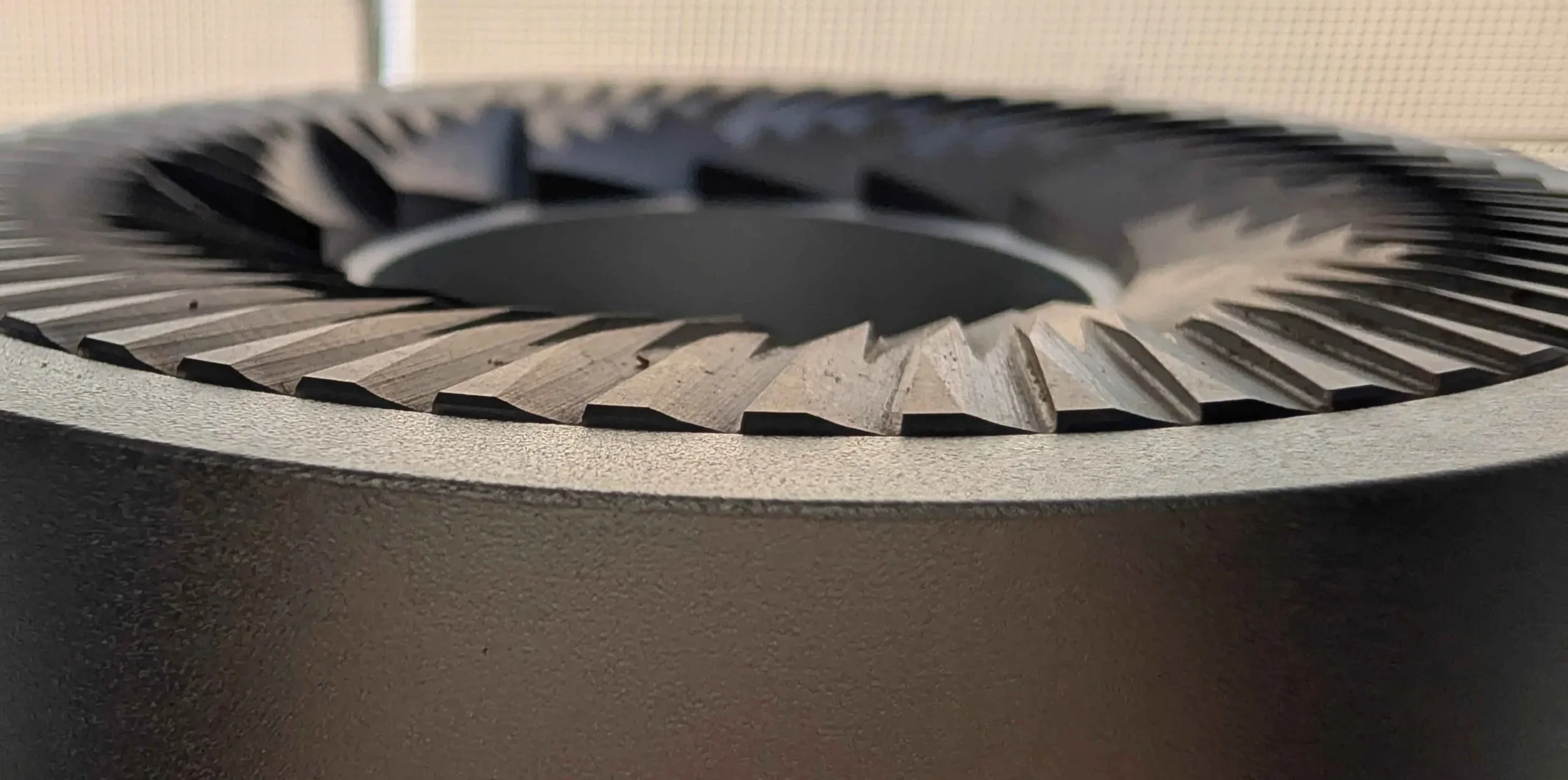
As an example of a curveball, the recently launched SSP Brews can be a tight fit, possibly needing an uncomfortable tap to get in place. Given the saga of my not-perfectly-round EK43 pre-2015’s getting stuck in a precise P100 carrier, it’s heartening to see there are through-holes in the upper carrier to poke a stuck burr out from the backside. Once seated though, the third dimension, height, could also come into play. The gaps of the finishing flat on this specific burr may warrant having a spacer to fully clear the outfalls. It’s purely speculation whether this has meaningful impact in efficiently shooting out the grounds, but the user doubt alone is troubling. At this time I don’t believe SSP or Option-O supply spacers (if this is incorrect or revised, please let me know so I can update!).
While I didn’t have an issue getting my 3 SSP burrs to fit and clear, I did need to procure M4×8mm screws to fasten them down. In the pursuit of near-perfect fit for their stock spec, Option-O succeeded. But the lack of flexibility results in an over-precise platform without the true compatibility expected of an 80mm burr platform. If your intent is to try numerous 80mm burrs, dig around online communities first to see what does/n’t fit.
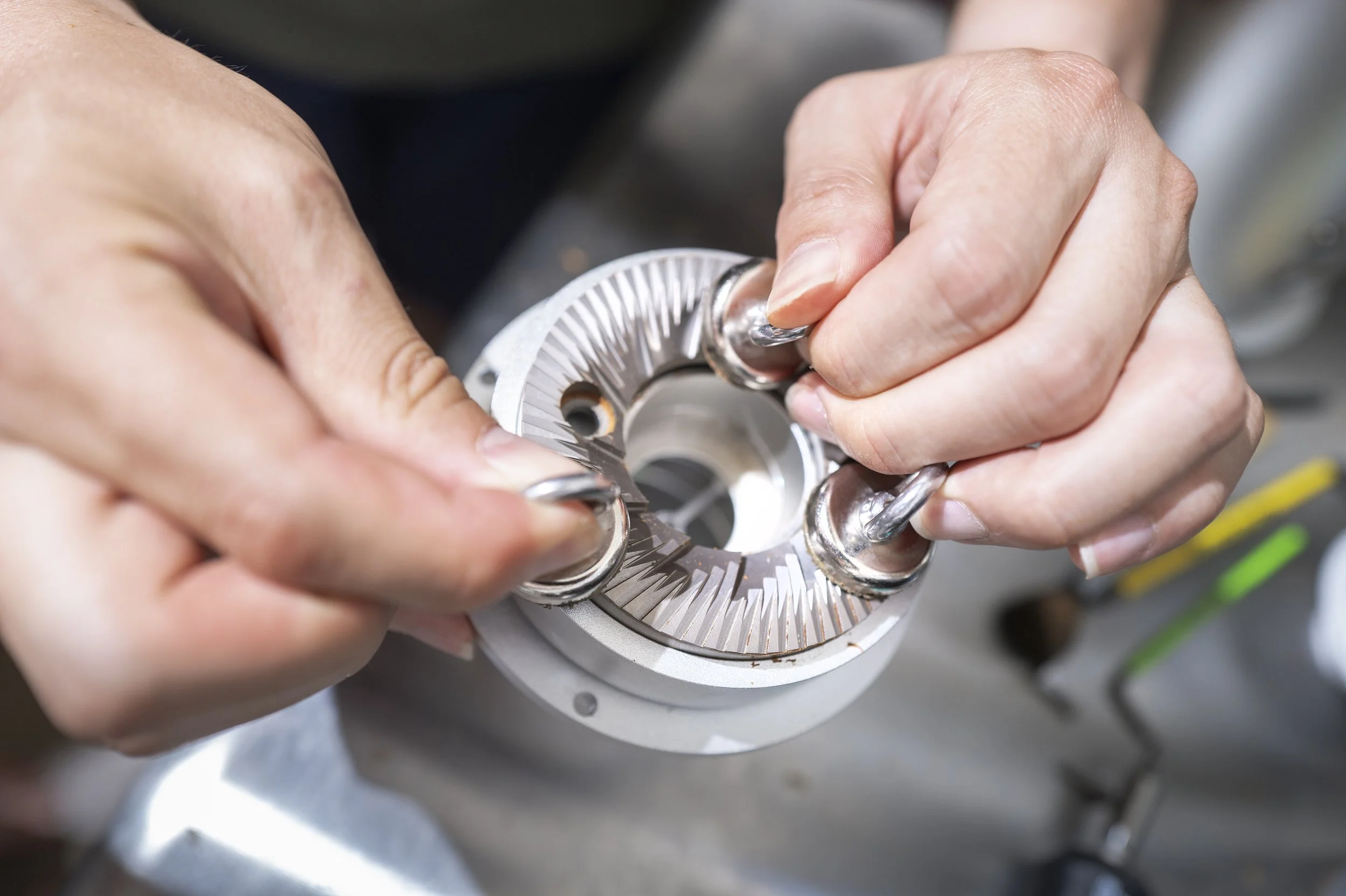
3× 85lb hook magnets padded with 1.2mm leather. Much easier with two pairs of hands.
Changing burrs can be a struggle out of the box. Every maker of blind burrs takes on some design challenges. The EG-1, being a more flexible/loose platform, used a 3 pin system and loose magnet, resulting in a bit of play at the mercy of the pin’s 0.00x mm tolerance. Option-O seems to have learned from this with an iterative approach - the same 3 pin location, but the carrier side is screwed so at least one side has no play. The EG-1 carrier’s retaining magnets were loose, but the P80 carrier is perhaps too strong - you will need strong hook magnets (I suggest rated for 85lb, and make sure to pad them with thin felt or fabric to avoid metal-on-metal) to overcome not only the magnetic pull, but any gunky buildup keeping the burr wedged in, especially the top, stationary side.
As with any burr swap, thicknesses vary, so you’ll need to re-adjust the zero point. While it is not difficult, risky, or scary, it does require reseating 4 screws. I don’t see a performance impacting reason for so many, and I feel 2 would’ve sufficed. Heck, even non-blind 80mm burrs only use 2 holes.
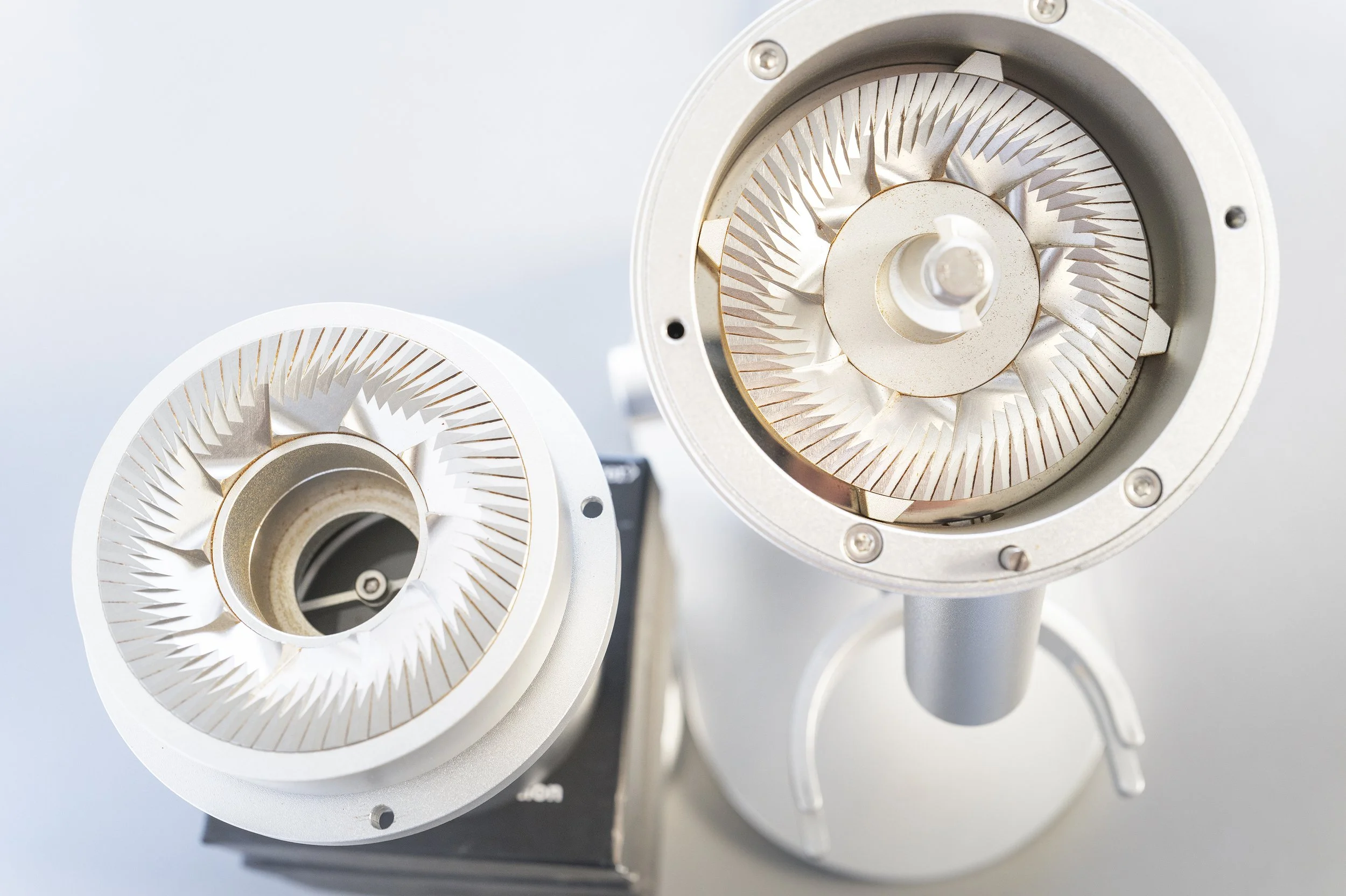
80 Mizen - Good boy burrs in a good boy grinder
So far, this sounds bad! PCS isn’t real, it’s not a fully cross-compatible 80mm platform, the ionizer can misbehave, lots of parts.
When the Lagom P64 came out just before 2020, there was a transition in discussing grinders from being single-solution packages into being thought of as platforms to explore and specify burrs to ones preferences. The P64 housing is solid, but the stock Mazzer burrs are lame - you would expect to change it to some other burr. To this goal, the internals of the grinders became a discussion point - the swappability, carrier rigidity, and alignability, as well as the expectation that users would be modifying and replacing the internals beyond a periodic cleaning. It’s been tough for the industry to communicate, as seen in the P64 FAQs. Burr shopping is tough, which is why Burrtopia exists. Advice usually goes like this: “When you know what you want, you’ll know what burr to buy.” To think you know what you want and spend $200, $350, $500+ per trial to hope that the next burr is The One… sucks (except to the few addicts who have invested an unhealthy amount in time and cost). Some months later as you think you’ve achieved endgame, there will be The Next One that stokes FOMO, but good thing you can upgrade just the burr! In online discussions, experienced users often speak from the normalized perspective of owning multiple grinder/burrs for specific outcomes, “This grinder for max clarity, that one for max body.”
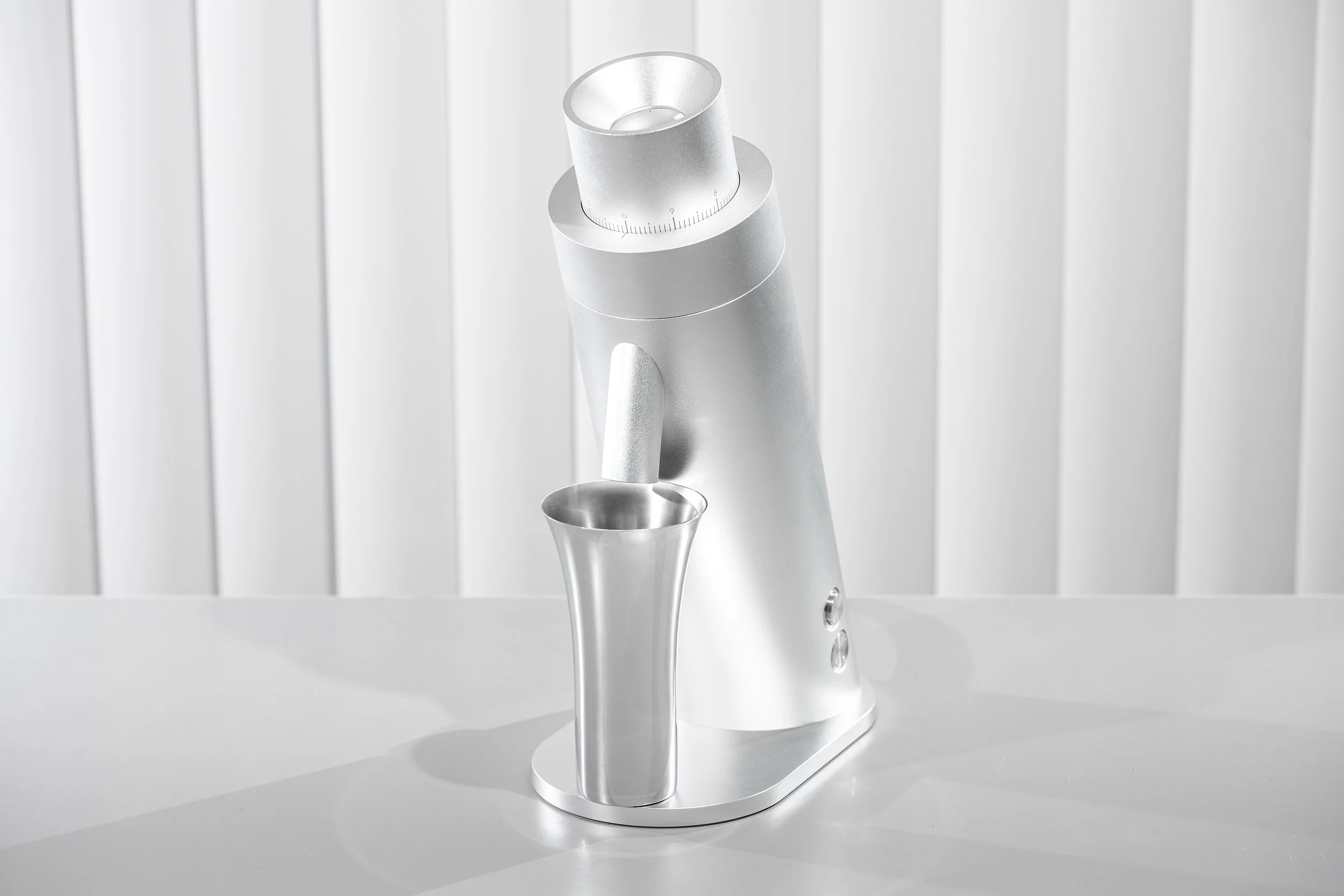
The Option-O Lagom P80: The good boy grinder
The P80 with the 80mm Mizen burr is a well-rounded, single answer for those who don’t have the answer for what their perfect burr + grinder housing is.
It is one of the few grinder + burr pairings that I don’t think needs to start with “so what are you going to put in it?" As stock, I consider it most suitable for ⅓ espresso use, ⅔ pourover use. Compatible roast levels are broad - it is not so punishing for med-darker roasts, which often underhandedly implies that it is lacking for light roasts, which is not what I am saying here. If traditional espresso with texture is your main priority, the 80Mizen will not outdo something like a Kafatek Shurikone or Versalab or DRM hybrid burr. Off the top of my head, other grinders I like as all-rounders are the Kafatek Flat Max with SLM (for ⅔ espresso, ⅓ pourover duty), Weber Workshops EG-1 Core (for ½ espresso, ½ pourover, if you can resist the call of the DB-2 Ultra burr), with a motorized 48mm heptagonal conical as the baseline in this category. The 80 Mizens are closest to (but not identical to) the Weber Cores, which I personally did not want to live with full time, but the Mizen 80’s are above threshold that I would (and do) daily drive it. I’d similarly never loved Option-O’s other Mizen burrs in 64, 98, and 102mm. They were solid jack of all trades, but not something I wanted to keep long term; the 80 is visually a very different design and does not taste so much like its siblings bearing the same name.
When I first shopped around for 80mm burrs years ago, I wanted the Ditting Lab Sweet burrs after borrowing them in a 807LS, but neither wanted to daily drive the commercial grinder (let alone mod it for single dosing) nor to spend $600 to roll the dice on the sample variance from the casting process. The SSP variants of Lab Sweets come close, but present a signature SSP-ey style of acidic presentation I did not want in that profile. I also had this nagging feeling that the 80LS had an upper limit in its ability to present delicate florality on washed coffees that I couldn’t work around with the brewing or water composition. These Mizens fill that spot beyond expectations without that caveat on those cleaner washed beans.
Is it endgame? Kinda?
Then you get into the hobbyist minutia: Is it the same as an EG-1 for half the cost? Will the Bookoo Motto 80 outperform it with its advanced features? I prefer to start with the fundamentals rather than working backwards from the minor differences - could they more similar than they are dissimilar? Burr carrier systems do matter to an extent (e.g. the hateful Mazzer Super Jolly is a much more rigid system for the SSP 64mm MP than the Fellow Ode), but the burr geometry should be the starting point accounting for the biggest impact. For example, the intentionally looser, floating carrier of the EG-1 is speculated to produce different results, which I don’t doubt it for those side-by-side-ing. For my burrs I’ve tried in both systems, albeit with imperfect recollection of my experiences in the EG-1 a couple years back, I did not identify an obvious difference that changed my opinion of any tested burr between the two housings; in the P80 they taste how I remembered them in the EG-1. If you take two similar things and look for differences, you will find them. Whether they are insurmountable differences that cannot be dialed around elsehow (e.g. brew one of them coarser and hotter), that is tough to conclude. A poorly designed burr carrier system can make a good burr present less great, but a great carrier system does not turn a lukewarm burr into an amazing one.
There can be multiple “right” answers for what is a good burr carrier system, and the P80 checks the boxes for what they designed it for. If you’re a self-proclaimed grinder and/or burr collector, the Zerno Z2 and (speculatively) the Bookoo Motto are perhaps the sexier options. Or perhaps you’ve already got a Weber Workshops EG-1 on your counter or shopping cart. Touchpoints, haptics, and the sensation of the ownership experience matter when throwing around the term endgame, and on those merits, the P80 misses out in terms of the nebulous wow factor.
All burrs have a range of possible presentations based on the decisions you make with them. Some burrs have a wider range of presentations than others, and I think very few burrs only present one way; no consensus, and again, why Burrtopia exists. I think it’s a shame to take a burr and pray it tastes better based on fixed parameters in the rest of the brewing, rather than trying a spread of brewing approaches to (hopefully) find an “aha!” moment. Personally, I run the 80Mizens at higher RPMs (1-2 clicks down from max) and coarse, 8-9.5 on the dial. Other owners report different preferred sweet spots, but the commonality is that there are no obvious wrong settings. And that’s underrated - forgiving burrs seem like a crutch without the potential for a high ceiling, but all desirable attributes are attainable to a strong degree here without the punishing aspects found in certain burrs, notably SSPs. Sweetness, punchy peak acidity, florality, texture, long linger; all are readily presented qualities, though not at a searing amount like you may get with a specialist burr. Put another way, I don’t feel like I’m tasting the burr’s characteristic, for better or worse.
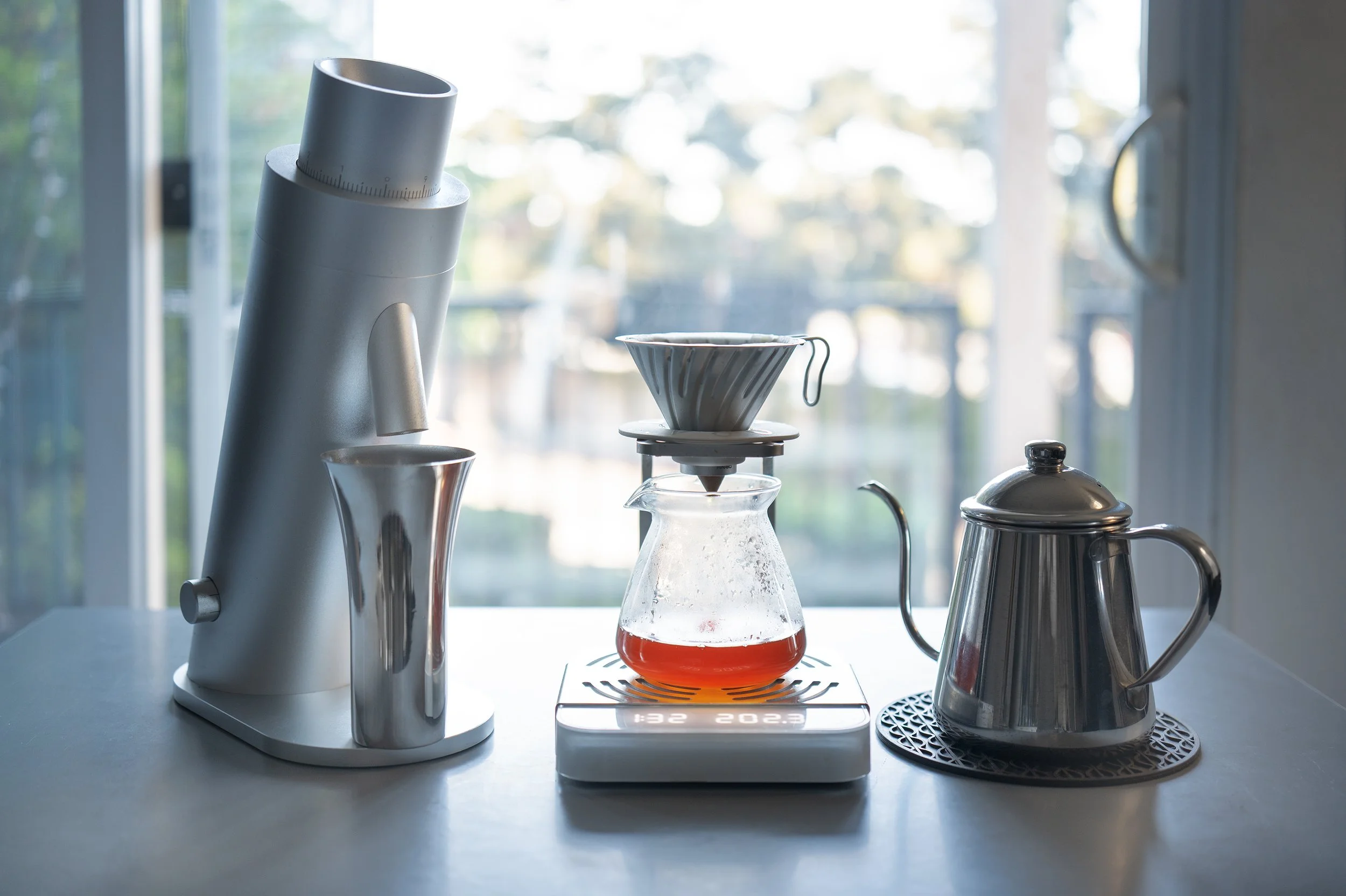
Not every grinder needs to be the centerpiece of discussion, but that doesn’t mean it doesn’t do its job well.
The P80 is a departure from the current landscape of grinders that are all about cross-compatibility and finding niches at the extremes. It raises the bar among goldilocks options, and perhaps more importantly raises the quality floor, which can rightly be interpreted as unsexy. It is not the most-est at any technical outcome, though perhaps in overall quality of life. It’s politely sized, you won’t wake up the household, it’s not intimidating for others to use; there’s little need to justify its existence on the counter. It’s responsible, it’s sensical. For the enthusiast who wants to tinker and default to complexity, the rigid design leaves them with theoretical upgrade concerns and anxiety. For those who do not want grinders to be its own sub-hobby within the overall coffee hobby, the P80 is easy to recommend, easy to live with, and gets out of the way so the user can shift their focus back to the original goal: the coffee itself.